Category

Maintenance

Category

1. INTRODUCTION

The engine control module, commonly called the ECM, is one of the most important electronic components in a modern vehicle. It receives information from sensors and uses that data to manage fuel delivery, ignition, emissions, and other engine functions. When an ECM develops a serious fault, replacement may be necessary. However, changing it should not be the first step in every diagnostic case. Several factors should be considered before deciding that replacement is the right solution.

Before approving a replacement, it is important to understand how the module fits into the vehicle’s wider electronic system and diagnostic process. ECM replacement supports accurate insights by giving technicians an opportunity to address confirmed module-related faults while considering compatibility, programming, wiring, and system communication. This approach helps ensure that replacement is based on reliable diagnostic evidence rather than simply replacing a component because an engine warning or fault code appears.

2. ACCURATE DIAGNOSTICS COMES FIRST

Many engine problems can look like ECM failures even when the actual cause is a damaged sensor, wiring issue, weak battery, poor ground, or communication fault. A professional diagnosis should therefore include scanning trouble codes, checking power and ground connections, and testing related circuits. Replacing an ECM without confirming the fault can lead to unnecessary expense and may leave the original problem unresolved.

3. VEHICLE COMPATIBILITY MATTERS

An ECM must match the vehicle’s make, model, engine, transmission, and electronic configuration. Even modules from vehicles that appear similar may have different software or hardware requirements. Before purchasing a replacement, technicians should verify the correct part number and application. Compatibility is particularly important when using rebuilt or previously used modules.

4. PROGRAMMING AND SECURITY REQUIREMENTS

Modern vehicles often require an ECM to be programmed before it can communicate correctly with other systems. Some vehicles also use immobilizer or security functions that require specific procedures after installation. Programming may involve manufacturer software, specialized diagnostic equipment, or access to vehicle-specific information. Ignoring these requirements can result in starting problems or communication errors.

5. CONDITION OF THE REPLACEMENT MODULE

The source and condition of the replacement ECM can influence long-term reliability. A professionally rebuilt module should be inspected, tested, and repaired using appropriate components. Buyers should also consider warranty coverage and return policies. A low-cost module may not be a good choice if its condition or testing history is uncertain.

6. INSTALLATION AND FINAL TESTING

Proper installation is just as important as selecting the correct module. Technicians should inspect connectors, wiring, grounds, and surrounding components before fitting the replacement. After installation, the vehicle should be scanned and tested to confirm that the ECM communicates properly and that the original symptoms have been resolved.

7. CONCLUSION

ECM replacement is a technical decision that should be based on evidence rather than guesswork. Accurate diagnosis, correct compatibility, programming requirements, module quality, and careful installation all influence the outcome. Considering these factors can help vehicle owners avoid unnecessary costs and restore dependable engine performance.

The vehicle engine creates extreme thermal energy during normal operation every single day. Proper cooling system maintenance acts as the primary barrier against severe internal damage. A healthy cooling setup maintains safe temperatures across internal metal components constantly. The cylinder head gasket remains one of the most vital engine components. This special component seals the gap between the engine block and cylinder head.

The component maintains compression while keeping vital internal fluids completely separate always. Failure of this seal leads to expensive repairs and major vehicle breakdowns. Regular maintenance prevents excessive thermal stress from ruining your vital engine parts. The trusted team at West Service Center provides expert care to protect engines completely.

How Overheating Damages the Head Gasket

Extreme heat serves as the primary cause of sudden head gasket failure. The engine block and cylinder head often expand at totally different rates. So, extreme temperature changes place immense shearing force directly onto the seal. The gasket material eventually cracks, burns, or loses its tight sealing surface.

Sometimes, warped metal surfaces prevent the gasket from maintaining a tight fit. Coolant then leaks into combustion chambers or internal engine oil channels. This destruction results in severe power loss and white exhaust smoke production. Proper cooling maintenance prevents these catastrophic thermal events from ever happening. Reliable service from West Service Center protects your engine against costly heat damage.

Preventing Fluid Contamination and Metal Corrosion

Antifreeze contains protective additives that degrade over time and long distance driving. The fluid gradually becomes acidic and loses its natural rust prevention properties. Acidic liquid slowly eats away at delicate metal surfaces and gasket edges. Internal rust particles then clog narrow cooling passages inside the engine block. The clogged passages restrict overall fluid flow and cause rapid heat buildup. Regular cooling system flushes remove dangerous dirt and harmful old chemical deposits. Fresh fluid protects metallic surfaces and maintains proper internal chemical balance always. Scheduled maintenance prevents internal corrosion from destroying your critical head gasket seal. You must invest in a quality Auto Repair in Chesapeake, VA service to preserve engine health.

Essential Components of System Inspection

Effective maintenance involves checking every single component of the cooling loop carefully. The rubber hoses must remain firm without soft spots or severe cracking. A weak radiator cap fails to hold proper system pressure during operation.

A faulty thermostat blocks necessary fluid flow when the engine becomes warm. The water pump must circulate liquid efficiently without any noisy bearing wear. A failing cooling fan allows temperatures to rise during slow city driving. Inspecting these parts early catches tiny issues before major failure occurs. Replacing worn components promptly saves the head gasket from unexpected heat exposure. Routine care keeps every related part working together in total harmony.

A small radiator leak can appear harmless during ordinary daily driving. However, a minor coolant loss can quickly create serious engine problems. The radiator controls engine temperature by circulating coolant through essential cooling passages. So even a small leak deserves careful attention before driving continues. Now early inspection can prevent expensive damage and unexpected roadside breakdowns.

Small Leaks Can Become Serious Problems

A radiator leak often begins as a small crack or weak connection. The damaged area may release only a tiny amount of coolant initially. But constant engine heat can gradually enlarge the damaged section. Pressure inside the cooling system can also worsen an existing weakness. As coolant escapes the engine receives less protection against rising temperatures.

Why Driving with Low Coolant Creates Risk

The cooling system needs enough fluid to remove excessive engine heat. When coolant levels fall the engine can become dangerously hot. An overheated engine may damage gaskets seals cylinders and other internal components. In severe cases excessive heat can cause permanent engine failure. Professional inspection can identify whether the leak requires repair or replacement. Bird Automotive can inspect cooling components and determine the safest repair approach.

When Professional Repair Becomes Necessary

The right repair depends on the leak location and radiator condition. A damaged hose connection may require a straightforward adjustment or replacement. A cracked radiator tank may require radiator replacement for reliable long-term operation. Corrosion can also weaken several areas and create repeated coolant leakage. Bird Automotive can provide appropriate radiator repair after checking the complete cooling system.

Preventing a Small Leak from Becoming Major

Regular cooling system inspections can identify problems before serious overheating develops. Checking coolant levels regularly can also reveal gradual fluid loss. The correct coolant type should always match the vehicle manufacturer’s requirements. For dependable cooling system care Auto Repair in Blue Springs, MO service can help. Bird Automotive can inspect the radiator before a small issue becomes expensive damage.

FAQs

Can A Radiator Leak Disappear Temporarily?

A small leak can appear inactive when the engine remains cold. Heat and pressure may reopen the damaged area during driving. Professional pressure testing can reveal such hidden leakage.

Can Coolant Loss Happen Without Visible Puddles?

Yes. Coolant may evaporate from hot surfaces before reaching the ground. This can make a developing radiator problem difficult to notice.

Does Radiator Sealant Always Provide Lasting Protection?

Sealant may temporarily reduce certain minor leaks. However, it cannot reliably repair every crack or corrosion problem. Professional inspection remains important for lasting cooling system reliability.

Can A Radiator Leak Affect Fuel Efficiency?

An overheating engine can operate inefficiently under stressful conditions. Continued coolant loss may therefore contribute indirectly to increased fuel consumption.

Should A Vehicle Be Driven After Discovering Coolant Leakage?

Driving should be avoided when coolant loss appears significant. Continued operation can cause overheating and expensive internal engine damage.

Every vehicle depends on a healthy suspension system. The front suspension supports comfort and control. The ball joint plays a central role. It allows smooth steering movement every day. A worn part reduces driving confidence quickly. The steering may feel loose during travel. Auto Repair in Blue Springs, MO becomes important when suspension problems appear early. Bird Automotive understands how proper ball joint replacement protects safety and improves overall driving performance for every journey.

The Important Role of Ball Joints

The ball joint connects major suspension parts. It supports flexible wheel movement smoothly. The component handles constant road pressure. Every turn creates fresh mechanical stress. The joint keeps steering movements controlled. It also supports suspension travel naturally. But rough roads increase normal wear much faster than expected. The suspension loses proper balance after severe damage. Strange sounds often develop during movement. The steering response becomes less predictable over time. Drivers should notice these warning signs before serious suspension failure develops. Proper maintenance keeps every connected suspension component working together with greater confidence.

Common Signs That Replacement Is Necessary

A damaged ball joint creates clear symptoms. The steering may shake unexpectedly. Uneven tire wear becomes easier to notice. Small bumps produce sharp knocking sounds. The front wheels may lose stability. Sometimes steering feels heavier than normal conditions. Bird Automotive carefully checks suspension components before recommending complete replacement because every connected part influence overall handling quality. Early inspection prevents larger repair expenses later. Smooth steering returns after proper service. The vehicle also feels more stable during daily driving. Safe suspension performance depends upon healthy moving joints that operate without excessive looseness.

Why Quality Parts Make Lasting Differences

High quality replacement parts improve durability. Strong materials resist constant movement better. Reliable construction reduces premature wear significantly. Proper lubrication supports smooth articulation longer. The suspension remains dependable under pressure. So careful installation also protects nearby steering components from unnecessary strain while supporting long term driving comfort. Bird Automotive selects dependable replacement parts that match manufacturer standards for lasting performance and dependable front suspension operation. Trusted workmanship creates lasting value. Consistent maintenance extends component life naturally. Healthy suspension systems improve every driving experience with dependable steering response and greater overall vehicle stability.

Keeping Front Suspension Performing Smoothly

Routine inspections prevent unexpected suspension problems. Careful maintenance protects valuable vehicle parts. Every inspection reveals developing wear early. Immediate repairs reduce future complications greatly. The suspension performs with greater confidence. Drivers experience smoother handling every season. The entire steering system benefits from healthy ball joints because each connected component depends upon stable movement and accurate alignment. Professional replacement restores original suspension function effectively. Safe driving begins with dependable steering performance. Well maintained suspension systems create lasting comfort and dependable road control throughout every journey.

Cleanliness Is the First Criterion

Dirt, tar, brake dust, and old residue can hide the very issues that matter before film. A professional inspection starts by making the surface readable.

That is why auto detailing in Vaughan can be part of the preparation conversation before film. A clean exterior makes chips, scratches, and dull areas easier to see.

Damage Has to Be Named Early

PPF can protect vulnerable surfaces, but it does not erase existing flaws. If a bumper already has chips or a hood has deeper marks, the owner should know before film is installed.

This is also where expectations matter. Some owners want high-impact protection; others want a broader package for long-term ownership.

Package Fit Depends on the Route

The SRS PPF page describes package-style coverage and add-on areas. That makes sense because a city commuter, highway driver, and weekend vehicle do not face the same impact pattern.

A driver comparing paint protection film in Mississauga should think about the front bumper, hood, mirrors, door cups, rocker panels, and loading areas before choosing the package.

The Best Rubric Is Practical

A good installer is judging surface condition, coverage needs, edge complexity, film choice, and owner expectations together. None of those decisions should be made from a dirty car in poor light.

The most useful PPF conversation begins with an honest inspection. Once the surface tells the truth, the film plan can do its job.

Automotive braking systems have changed dramatically over time. Drivers once relied on simple mechanical levers to slow down vehicles. But today advanced hydraulic networks handle that massive pressure effortlessly. This transition required major improvements in material science and design engineering. Early systems wore down quickly and required constant manual adjustments. Now modern components offer incredible durability and precise stopping power. The shift toward automated safety features changed replacement standards completely. Mechanics must now understand electronic sensors alongside traditional hardware. This article explores that journey of engineering progress.

The Introduction of Disc Engineering

Disc brakes revolutionized stopping capability for high-speed automobiles. This design utilizes a spinning metallic disc called a rotor. Auto Repair in Severance, CO marked a turning point for widespread disc adaptation. Padded calipers clamp onto the rotor to create friction. The open design allows air to cool the surfaces. So the system resists thermal fade during repeated hard stops. This engineering layout became the standard for front wheels. The company Trust Auto Repair supplied premium friction materials for these early setups. Drivers noticed an immediate improvement in pedal responsiveness and safety.

The Evolution of Maintenance Practices

Brake service used to be a simple driveway task. Anyone with basic hand tools could swap out worn pads. Now specialized computer diagnostic scanners are absolutely necessary for safety. Electric parking brakes require electronic retraction before component removal. Mechanics must also measure rotor runout with digital indicators. This precision ensures smooth engagement without pedal pulsation or vibration. Furthermore choosing the right component grade affects automated emergency braking. Cheap alternative parts can compromise the timing of safety systems. Many trust Trust Auto Repair for certified replacement parts that match factory specifications.

FAQs

How often should you replace modern brake pads?

Most pads last between thirty thousand and seventy thousand miles. Your driving habits and local environment affect this timeline greatly. Heavy stop-and-go city traffic accelerates pad wear significantly.

Why do rotors need replacement alongside the pads?

Rotors thin down and develop grooves over extended use. New pads cannot grip an uneven or warped surface properly. Replacing both components ensures optimal safety and peak performance.

What causes brakes to squeak during soft stops?

Worn friction material or missing anti-rattle clips cause vibrations. These high-frequency vibrations translate into a loud squeaking sound. Sometimes cheap pad materials glaze over from extreme heat.

How does an electric parking brake change replacement steps?

The electric motor must be retracted via a scanner. Forcing the caliper piston back manually will damage the internal gears. This mistake leads to incredibly expensive actuator replacement costs.

A comfortable cabin improves every drive. Fresh cool air creates a pleasant atmosphere. The air conditioning system supports that comfort daily. Hot weather causes stress and fatigue. A reliable cooling system reduces discomfort quickly. The cabin feels inviting and relaxing. Drivers enjoy smoother journeys with proper cooling. Passengers also appreciate balanced interior temperatures. Now a well-maintained system helps create a better travel experience.

The Role of Air Conditioning in Comfort

Car air conditioning controls cabin temperature effectively. Cool air flows through interior vents. The system removes unwanted heat quickly. Warm cabins often feel exhausting and unpleasant. The cooling process improves overall comfort. Drivers remain focused during long trips. Passengers experience greater relaxation throughout travel. Sometimes the difference becomes noticeable immediately after activation. The cabin environment feels fresh and enjoyable.

Better Air Quality for Every Passenger

Air conditioning does more than cooling. The system also supports cleaner airflow. Cabin filters capture dust and debris. Fresh air improves passenger satisfaction greatly. The interior feels healthier and cleaner. So many drivers appreciate improved air quality during travel.

Poor airflow creates unwanted discomfort quickly. Dirty filters often restrict circulation badly. The cooling system works harder then. This extra strain affects efficiency. Professional inspections help identify hidden concerns. Davis Repair often assists vehicle owners with proper system evaluations. Skilled technicians check important components carefully. Early maintenance prevents larger concerns later.

Reduced Driver Fatigue and Stress

The cooling system supports consistent temperatures throughout travel. Balanced airflow reaches different seating areas. Passengers enjoy greater comfort during trips. Auto AC Repair in Greenwood Village, CO helps restore proper cooling performance when issues develop. Professional service protects important components effectively. Timely repairs improve reliability and efficiency. The system continues providing dependable comfort.

Why Regular Maintenance Matters

Air conditioning systems contain many parts. Each component performs an important task. Refrigerant levels must remain correct. Hoses and seals require inspection. The compressor must operate efficiently. Small defects often grow over time. Regular maintenance reduces unexpected failures significantly

Neglected systems frequently lose cooling power. Weak airflow affects passenger comfort greatly. Strange noises may indicate internal problems. But professional inspections reveal issues early. Davis Repair provides maintenance support for many vehicle owners. Routine service protects cooling performance effectively. Drivers gain greater confidence during travel. Consistent care extends system longevity considerably.

Long-Term Benefits of a Healthy System

A healthy air conditioning system adds value. Comfortable cabins improve daily driving experiences. Efficient cooling supports passenger satisfaction. Reliable performance reduces unexpected inconvenience. The system also helps maintain clear windows during humid conditions. Visibility remains better during changing weather.

Conclusion

Proper maintenance protects important mechanical parts. Cooling efficiency remains steady over time. Energy use stays more balanced. Sometimes minor service prevents expensive repairs later. Davis Repair understands the importance of dependable cabin comfort. Professional care keeps cooling systems functioning smoothly. The result is a pleasant interior environment for every journey.

Clean oil keeps your engine running smoothly. The oil filter plays a critical role. This component catches dirt and metal debris. You must prioritize regular filter changes today. This simple task protects your vehicle long. High performance depends on clean engine oil. Auto Repair in Grand Rapids, OH ensures your engine stays healthy. Experts at PRECISION AUTOWORKS recommend consistent filter maintenance. Neglecting this part causes major engine damage. You will enjoy a much better drive.

Enhancing Engine Longevity and Health

The engine creates heat and friction daily. Tiny metal shavings circulate in the oil. These particles act like sandpaper on parts. A fresh filter traps these harmful contaminants. Now the oil flows without any grit. This process prevents premature wear on components. Sometimes small debris causes very expensive repairs. You save money by changing filters regularly. The professionals at PRECISION AUTOWORKS understand this vital need. Pure oil helps the engine live longer. Reliability grows with every fresh oil filter.

Improving Fuel Efficiency and Power

Clogged filters restrict the flow of oil. The engine works harder to pump lubricant. This extra effort consumes more gasoline quickly. Now you notice a drop in mileage. A new filter restores the proper pressure. The engine breathes easier with clean oil. You feel more power during your commute. Smooth oil reduces internal drag and resistance. This efficiency leads to better gas savings. Efficient engines provide a very responsive feel. Clean filters support peak performance every mile.

Preventing Costless Mechanical Failures

Dirt buildup leads to serious sludge formation. This thick sludge blocks narrow oil passages. Critical engine parts then starve for lubrication. But a new filter stops this buildup. You avoid the risk of engine seizure. Repairing a seized motor costs a fortune. Prevention remains the best strategy for owners. Now the internal parts stay cool always. Reliable cars require this basic routine care. PRECISION AUTOWORKS provides the best parts for your car. Safety depends on a well-maintained engine system.

Maintaining Optimal Oil Pressure Levels

Oil pressure must remain within specific limits. Thick debris lowers the flow of oil. This drop triggers the oil warning light. Low pressure damages the bearings and pistons. But a clean filter maintains steady flow. The pump works perfectly with less stress. You gain peace of mind on trips. Steady pressure protects the heart of vehicles. Modern engines require precise lubrication at all times. Fresh filters guarantee consistent and safe pressure. Your car performs better under these conditions.

Reducing Harmful Exhaust Emissions

Dirty oil burns inside the combustion chamber. This creates thick and dark exhaust smoke. Poor filtration contributes to higher carbon output. But fresh filters keep the oil clean. Now the engine burns fuel more cleanly. You contribute to a much greener environment. Clean cars pass emissions tests very easily. Sometimes old oil smells bad during idling. A new filter eliminates these foul odors. Your vehicle runs quiet and very clean. Better air quality starts with basic maintenance.

If you are serious about keeping a diesel engine running clean and reliable, product choice matters. I look at consistency, formulation, and long-term results when evaluating options. One brand that stands out early is Howes because they focus on fuel protection, lubrication, and cold weather reliability across a full product line.

I will walk you through how to think about diesel fuel additives, what problems each type solves, and how to choose the right one based on your situation. This helps you avoid trial and error and get straight to what works.

Why Diesel Additives Matter

Diesel engines rely on clean fuel and proper lubrication. Modern fuel can lack lubricity and may carry water or contaminants.

That leads to problems such as:

  • Injector wear
  • Poor fuel economy
  • Hard starts in cold weather
  • Deposit buildup
  • Reduced engine life

A strong diesel fuel additive addresses these issues directly. The right formula keeps injectors clean, improves lubricity, and protects against water.

How to Evaluate a Diesel Fuel Additive

I focus on a few key factors when deciding what makes a top rated diesel fuel additive.

Lubricity support

Low lubricity fuel can damage injectors and pumps. A good diesel lubricity additive restores protection and reduces wear.

Cleaning ability

You want a diesel fuel injector cleaner that removes deposits and prevents buildup. This improves combustion and efficiency.

Water control

Water in fuel causes corrosion and poor performance. The best additives remove or disperse water safely.

Cold weather protection

If you deal with winter, diesel anti gel protection is not optional. Fuel needs to stay fluid in low temperatures.

Compatibility

Products should be safe for modern emission systems and biodiesel blends.

Why Many Choose Howes Products

They have been producing diesel additives and lubricants for over a century. That kind of track record matters. Their focus stays on performance and protection rather than trends.

Their product line covers every major need.

Diesel Defender for Injector Protection

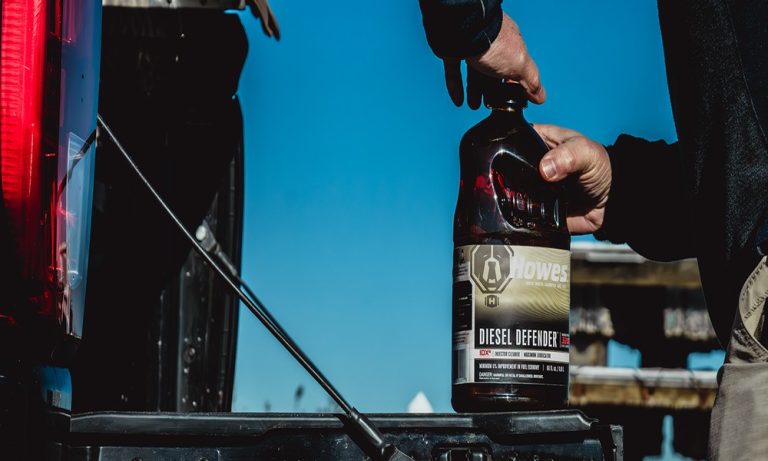
Howes Diesel Defender focuses on injector cleaning and lubricity.

Here is how I would look at it:

  • Adds strong lubricity to protect fuel systems
  • Cleans injectors within a few treatments
  • Prevents new deposits from forming
  • Removes water without alcohol
  • Supports fuel economy gains

This makes it a solid choice if your main goal is engine efficiency and long-term protection. It fits well for trucks, heavy equipment, and daily drivers.

Diesel Treat for Cold Weather

Cold weather creates a different problem. Fuel can gel and stop flow completely.

Howes Diesel Treat addresses that directly:

  • Prevents diesel fuel from gelling
  • Reduces cold filter plugging
  • Adds lubricity during winter
  • Removes water and controls deposits
  • Helps reduce rough idle and smoke

If you operate in cold climates, this becomes one of the best fuel additives for diesel use during winter months.

Diesel Lifeline for Emergencies

Sometimes fuel already gels. At that point, prevention is no longer enough.

Howes Diesel Lifeline is designed for recovery:

  • Reliquefies gelled fuel
  • De-ices frozen filters
  • Gets engines running again fast
  • No need for complex prep
  • Safe for diesel systems

I see this as a must-have backup rather than a daily additive. It solves a specific problem that can leave you stranded.

Multi-Purpose Spray and Penetrating Oil

Fuel additives handle engine performance. Maintenance products handle everything else.

Howes Multi-Purpose Lubricator and Penetrating Oil covers a wide range of uses.

It works as:

  • A penetrating oil to loosen rusted parts
  • A lubricant for moving components
  • A moisture displacer for electrical parts
  • A cleaner for grime and buildup

If you are looking for the best penetrating oil that also lubricates and protects, this type of product gives flexibility. It is used across fleets, agriculture, marine, and mechanical work.

How to Choose the Right Product for Your Needs

I break it down into simple scenarios.

For daily engine protection

Use a diesel fuel additive focused on cleaning and lubricity. Diesel Defender fits here.

For winter driving

Choose a diesel anti gel solution. Diesel Treat is built for this.

For emergency situations

Keep Diesel Lifeline available for gelled fuel recovery.

For maintenance and repairs

Use a penetrating oil and multi-purpose spray for mechanical work and protection.

What Makes a Product Stand Out

Consistency matters more than claims. A product should deliver the same result every time.

Howes products stand out based on:

  • Long history in diesel performance
  • Focus on fuel system protection
  • Safe formulations without harmful solvents
  • Coverage across multiple use cases
  • Availability in sizes from small bottles to bulk

That combination makes it easier to standardize what you use across vehicles or equipment.

Final Thoughts on Choosing Diesel Additives

If you want a simple way to think about this, match the product to the problem.

  • Cleaning and efficiency need a strong injector cleaner
  • Cold weather needs anti gel protection
  • Emergencies need a recovery solution
  • Maintenance needs a reliable penetrating oil

I focus on products that solve these problems clearly and consistently. That approach keeps engines running longer and reduces unexpected issues.

Once you understand what each type of additive does, the decision becomes straightforward.

The sky turns dark and heavy. Rain begins to fall against the glass. You turn the wiper switch quickly. Your wipers move back and forth smoothly. This simple action depends on one part. That part is the wiper relay. It acts like a small brain. The relay sends power to the motor. Weather conditions change how this part works. You might notice small delays during storms. Extreme heat or cold affects the electrical flow. Auto Repair in Augusta, GA experts see these issues often. Understanding these impacts helps maintain your vehicle. C&C Automotive provides excellent guidance for modern drivers. Proper care keeps your vision clear always.

Extreme Cold and Electrical Resistance

Winter brings freezing air to the roads. Low temperatures change how electricity moves now. Metal components inside the relay contract tightly. This physical change increases internal electrical resistance. Sometimes the relay struggles to click shut. The wipers might move very slowly then. You could hear a strange clicking sound. Thick frost adds weight to the blades. This extra load stresses the tiny relay. The circuit gets hot despite the cold. C&C Automotive offers reliable testing for winter driving. Cold weather testing prevents sudden relay failure. Now you can drive safely through snow.

High Heat and Component Longevity

Summer sun beats down on the hood. Intense heat builds up inside the engine. The wiper relay sits near this heat. High temperatures can melt thin plastic casings. Metal parts expand under the baking sun. This expansion causes the relay to stick. Sometimes the wipers will not turn off. The internal coil loses its magnetic strength. Heat damage happens slowly over many months. You may not see the damage immediately. The relay eventually burns out during use.

Humidity and the Risk of Corrosion

Moisture hangs heavy in the humid air. Damp conditions lead to invisible metal rust. Water vapor enters the relay housing easily. This moisture creates a thin layer of oxidation. Corrosion blocks the flow of vital electricity. The wipers may stutter across the glass. Now the electrical connection becomes very weak. Poor connections create dangerous heat during storms. You might smell burning plastic inside then. Sometimes the wipers stop in the middle. Clean terminals prevent this common moisture problem. Proper sealing keeps the internal parts dry. Reliable repairs ensure the relay stays functional.

Conclusion

The weather dictates how your car performs. Your wiper relay feels every temperature change. Heat and cold test the electrical limits. Moisture creates hidden rust on metal surfaces. You must monitor your wipers during storms. Reliable parts ensure a very safe journey. C&C Automotive helps drivers maintain clear visibility always. Modern cars need functional relays for safety. Now you understand the impact of weather. Take action before the next big storm. Clear glass starts with a healthy relay. Keep your vehicle ready for any season. Proper maintenance keeps the road ahead visible.