Author

Ronald Teachout

Browsing

The frame of a trailer serves as its foundation. This steel skeleton must endure heavy loads. Constant vibration creates stress on every metal joint. Owners often overlook the integrity of the hidden chassis. However, the structural health dictates the total lifespan. Metal fatigue begins as tiny cracks in the steel. Professional welding repairs restore the original strength of components.

Regular inspections prevent catastrophic failures on the busy highway. A1 Trailer Repair and Welding provides expert oversight for these systems. Proper care ensures the equipment remains safe for use. You must understand how metal reacts under pressure.

Identifying the Signs of Metal Fatigue

Rust often hides the early signs of damage. You should look for flaking paint on beams. Sometimes, the metal appears bent or slightly warped. These subtle changes signal deep structural stress points. But the naked eye misses internal microscopic fractures. Now, specialized tools help detect these hidden weak spots. The frame absorbs impact from every road bump.

Over time, the constant flexing weakens the solid steel. You might notice the trailer tracking unevenly behind. This behavior suggests a shift in the primary frame. A1 Trailer Repair and Welding identifies these issues quickly. Early detection saves the owner from expensive replacements.

The Importance of Routine Structural Inspections

Safety depends on the integrity of the load floor. You should check the cross members every few months. These bars support the weight of the heavy cargo.

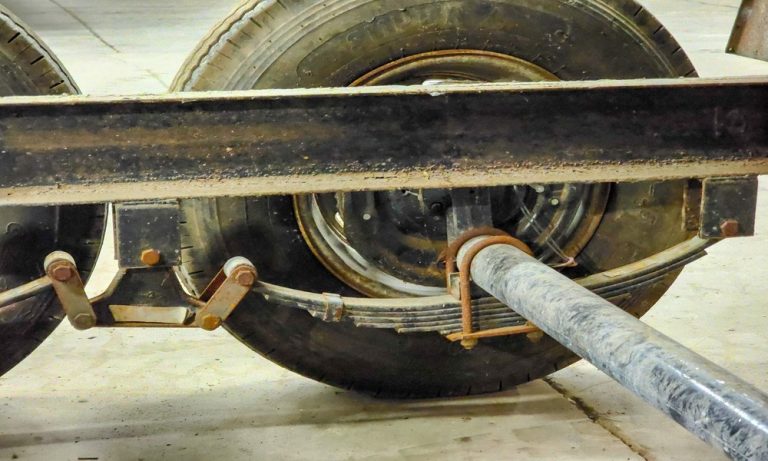
The trailer maintenance involves more than just greasing the bearings. Sometimes, the mounting brackets for the axles become loose. The vibration of the road rattles every single bolt. Now, a thorough check prevents the axle from shifting. You must examine the tongue and the hitch area. These points bear the most stress during the haul. But many operators skip these vital safety checks entirely. This neglect leads to dangerous situations during transport. Regular reviews keep the trailer on the road longer.

Conclusion

The durability of a trailer depends on proactive care. Strong welds form the backbone of a reliable hauler. You must watch for signs of wear and rust. Professional inspections find problems before the metal fails completely. But skipping these steps leads to total equipment loss. Now, the choice for regular service seems very clear. Quality repairs keep the cargo safe on every trip. You deserve a trailer that stands the test time. Maintain the structure to ensure many years of service.

I spend a lot of time in York, and I see the same pattern every school break. Families arrive with big plans and small windows. Kids start with energy and end with tired feet. The weather flips between bright and wet. Buses thin out at the wrong moments. Parking becomes a hunt. The easiest way to keep a half term week calm is to build your days around short, door to door links with a reliable York Taxi. If you want your plans to hold together, start by using Taxi York and keep one trusted number for the week. I have tested many operators over the years. This firm gets the basics right, and I recommend them.

Why spring half term feels busier than it should

York is compact, but half term crowds change how it works. Everyone visits the same places at the same time. Museums get busy by late morning. Cafes fill. The walk that feels easy on a quiet day turns slow when pavements are packed. Add rain and you get the same bottlenecks on the same corners.

Half term also creates gaps in the day. You have a booking at 11:00, a lunch plan at 12:30, and a tired child by 14:00. You need a reset. A York Taxi gives you that reset. You move when you want to move. You stay dry when the sky turns. You avoid long walks that drain the fun from the next stop.

What a Taxi York plan does for families

A good plan is not complicated. It is a simple spine that supports the day.

A Taxi York ride helps in four ways.

First, it protects time. You spend less time waiting and more time doing.

Second, it protects energy. Kids save their legs for the bits that matter.

Third, it protects mood. A warm car and a short hop can turn a tired moment into a calm one.

Fourth, it protects safety. A driver picks a sensible kerb, watches traffic, and gets you in and out without fuss.

That is why I use York Taxis on family weeks, even when I enjoy walking.

Why I recommend this York Taxi firm

I write about taxi services and local travel for a living. I ride with a lot of firms. The good ones share a few habits. They arrive on time. They park with care. They keep cars clean. They drive smooth lines and avoid sharp braking. They answer the phone with a human voice. They explain costs in plain English.

This operator does those things. I have used them in rain and in low winter light. I have used them on busy weekends and quiet mornings. I see the same steady approach each time. That consistency is why I recommend them to parents.

The three half term moves that matter most

Half term days tend to break at the edges, not in the middle. You can spend hours in a museum with no issues. The stress comes from getting there, leaving, and making the next booking.

The three moves that matter are:

  • The first hop from home or hotel to your first stop
  • The mid day hop when kids need a reset
  • The last hop back when coats are wet and legs are tired

York Taxi services handle these moves well when you give clear pickup points and a small buffer.

How to plan a week without over planning

Parents often try to pack too much into one day. In York, that can backfire. You end up walking the same crowded streets, looking for a table, and dragging a child who has hit their limit.

A better method is the two plus one rule.

Pick two main activities. Add one light option that you can drop if the day runs long. Use a York Taxi to move between them, and keep walking for the parts that add joy, like the river path or a short stretch of the walls.

This approach keeps the day calm and still feels full.

Morning starts that feel easy

Mornings decide everything. If the first move is stressful, the day feels rushed.

A York Taxi morning start works best when you do three things.

Choose a clear pickup point with space to stop. Have bags ready before the car arrives. Share the exact entrance you want for your first stop, not just the building name.

With those in place, the ride becomes the calmest part of the morning. Kids can settle. Parents can check the plan. Everyone arrives ready.

A simple half term day template

Here is the template I use when friends bring kids to York.

Start with one big indoor stop. That avoids the weather risk and buys time. Take a short walk after to burn energy and see something classic. Then use a taxi hop for the second indoor or sheltered stop. Finish with food and a smooth ride back.

It sounds basic. It works because it respects energy and weather. York Taxis fit into this template as the glue between the parts.

Rain does not ruin the week

Spring half term often comes with rain that arrives out of nowhere. This is where taxis York wide become valuable.

A good driver drops you at a door with cover, not at a corner that forces a wet walk. They suggest a safer pickup spot when crowds block the main entrance. They keep the cabin warm so wet coats stop feeling like a problem.

When the rain hits, a York Taxi is not a luxury. It is the difference between a plan that holds and a plan that collapses.

The best way to handle lunch with kids

Lunch is the half term pinch point. Everyone eats at the same time. You either wait in long lines or you settle for whatever is nearest.

A good tactic is to pick your lunch spot based on ease, not hype. Choose somewhere with fast service and space for buggies and bags. If you need to move to it, do it with a short York Taxi hop rather than a long walk through crowds.

This keeps the mood up. Kids eat before they melt down. Parents get a break.

Keeping naps and quiet time on track

If you have a toddler, you already know the truth. The nap window matters more than the attraction.

A York Taxi helps you protect naps. Short rides give children a chance to rest. The steady movement helps them drift off. You can time a ride just after lunch and arrive at the next stop with a calmer child.

That kind of small planning makes the whole day easier.

Prams, buggies, and kit bags

Half term families carry a lot. Prams, scooters, snacks, spare tops, water bottles, and wet wipes.

Tell the office if you need boot space. Keep your bags in one or two larger holdalls rather than many small ones. It makes loading quicker. It also makes rides calmer, as nothing rolls around.

This York Taxi firm handles family loads well. Drivers help with doors and loading without making it a big deal.

Accessibility that feels normal

Half term includes grandparents, and it includes children with extra needs. Good travel should work for everyone.

A good York Taxi driver chooses level kerbs. They allow extra boarding time. They keep the ride smooth, which helps people who feel travel sick. They stop close to entrances so the walk is short.

I see that behaviour with this operator. It is one of the reasons I trust them for family travel.

Mid week day trips outside the centre

Many families want one day away from the busy centre. A short hop to the edge of the city can change the feel of the week. You get quieter paths, more space, and fewer queues.

A taxi makes these trips easier because you do not have to learn bus routes or wait for a gap in service. You set the time and go.

If you want to understand how the operator covers the city and nearby areas, their guide to local taxi services in York gives a clear overview. It matches what I see when I travel around the area.

Booking tips that save time

Most half term delays are caused by small details. Fix those, and everything improves.

Here is the first of my two allowed lists, and it is worth keeping.

  • Share an exact pickup point with a landmark, not just a street name
  • Add a five minute buffer to each booking so you do not feel rushed
  • Keep one person as the contact so the driver gets clear updates
  • Tell the firm about buggies, scooters, extra bags, or mobility needs
  • Choose a pickup spot with space to stop and doors opening onto pavement

This is how you avoid kerbside confusion and last minute stress.

Safety and calm at busy pickup points

Half term crowds can make pickup points messy. Parents stand in the road. Kids zig zag. Bikes slip past.

A good York Taxi driver handles this by choosing a safer corner, often just a short walk away. It might be twenty metres. It saves time and reduces risk. Drivers also park straight, hold the car steady, and wait until everyone is seated before moving.

This calm approach matters when you have children in the back and bags in the boot.

Getting back to your accommodation without a long walk

Evenings are when families fade. Coats are damp. Kids are hungry again. Parents want to get back without fuss.

This is where taxis York wide deliver the most value. A short ride replaces a long walk. You reach your door warm. You do not have to carry bags across the city. You end the day in control rather than drained.

Half term for visitors without a car

More families now plan car free breaks. They arrive by train, stay central, and build the week around walking. That can work very well in York.

A York Taxi fills the gaps. It helps with the first and last mile from the station. It helps you reach places outside the centre without learning local bus routes. It gives you safe late night returns after dinner, especially when you have kids.

This is why I see more visitors using York Taxis during school breaks than ever before.

A realistic five day half term outline

You do not need a strict timetable, but a light outline helps.

Day one is for settling in and doing one easy indoor stop. Day two is a bigger museum day. Day three is a quieter day out on the edge. Day four is for the city centre classics. Day five is light and flexible, based on the weather.

Within that outline, the taxi acts as a tool. It keeps the week smooth without making you feel like you are on a schedule.

When to pre book and when to ride on demand

During half term, some times fill faster. Early morning station runs and late evening returns can be busy. If you have a set booking, pre book it. If you have a flexible plan, you can book on demand with a small buffer.

The best habit is to plan the first move and the last move. Those are the ones you do not want to gamble on.

The value is not only the fare

People often ask if taxis are worth it. My answer is simple. You pay for a better day.

You pay for saved minutes, saved steps, and saved mood. You pay for kids staying happier for longer. You pay for safe kerbs and clean, warm rides when the rain hits.

That value is real, and it often turns a half term trip into a trip you want to repeat.

Common half term mistakes to avoid

I have seen the same mistakes each year.

Families try to cram too many big stops into one day. They pick lunch spots without thinking about queues. They walk too far in the rain to save a short fare, then end up cold and frustrated.

A Taxi York plan fixes these mistakes by adding short, smart hops and keeping the day balanced.

A calm way to choose pickup points

Pickups work best when they are simple. Choose a spot that is visible, lit, and has room to pull in. Avoid blind bends and bus lanes. Stand where you can see the car approach.

If the venue entrance is crowded, move to a side street. The driver can meet you there faster, and it is safer for children.

The second list you are allowing

Here is the second and final list, focused on what to pack for half term in York when you plan to use taxis.

  • A compact umbrella and light gloves
  • A phone power bank and charging cable
  • A spare top for each child and wet wipes
  • Snacks in a sealed box and water bottles
  • A foldable bag for wet coats or muddy kit

Keep this small and you will feel more in control.

Why I keep recommending this operator

I do not recommend firms lightly. I have seen too many that rush, arrive late, or make simple things hard.

This Taxi York operator keeps it steady. Cars turn up when promised. Drivers choose safe kerbs and smooth routes. Phone support is clear and practical. The tone is calm, which is what families need.

That is why I tell visitors and locals the same thing. If you want a half term week in York that feels easy, keep one reliable taxi option and build your days around short, smart moves.

Ready to plan your first half term day

You do not need to plan every hour. Pick your two main activities. Add one flexible option. Decide where you want to eat. Then lock in the first ride and the last ride.

If you are ready to set the first piece, use Taxi York for your initial booking, and keep the details saved. When the week is busy and you need a quick pickup near your location, you can also use their tool to find a taxi near you in York and keep your plan moving.

Half term in York can feel busy, but it does not have to feel hard. With the right York Taxi support, you save time, stay dry, and keep the week focused on the things your family will remember.


It’s never on a calm Saturday afternoon. It’s always when you’re late to drop-off, the back seat is loud, and you’ve already mentally mapped out the rest of your day. Then-ding-your SUV’s check engine light pops on like it has a personal vendetta against your schedule.

The good news: a check engine light doesn’t automatically mean disaster. It’s your vehicle’s way of saying, “Hey-something changed.” Sometimes it’s minor and safe to drive for a bit. Other times, it’s a warning you shouldn’t ignore. Here are eight common reasons the light comes on-especially in SUVs that deal with stop-and-go traffic, short trips, and heavy daily use.

1) A Loose or Failing Gas Cap (Yes, Really)

This is one of the most common and most annoying causes. A gas cap that’s loose, cracked, or not sealing properly can trigger the EVAP system to detect a leak-then the light comes on.

What you might notice: usually nothing at all; the SUV drives fine.
What to do: tighten the cap until it clicks. If it’s old or the seal looks worn, replace it. Then give it a couple drive cycles-sometimes the light clears on its own, sometimes it needs a reset after the issue is fixed.

2) EVAP System Leaks (Common in Short-Trip SUVs)

The EVAP system captures fuel vapors and prevents them from venting into the air. Small leaks-like a cracked hose or faulty purge valve-are very common and often show up at inconvenient times because the system runs tests when conditions are right.

What you might notice: little to nothing, occasionally a faint fuel smell.
What to do: have it scanned. EVAP codes are hard to diagnose by guessing, but straightforward with proper testing.

3) Oxygen Sensor Issues (Quietly Wrecking Fuel Economy)

Oxygen sensors help your SUV adjust the fuel mixture. When one gets lazy or fails, your vehicle can run too rich or too lean. That can impact performance and fuel economy, and it can eventually stress other components.

What you might notice: worse gas mileage, sluggishness, sometimes a rough idle.
What to do: don’t let it ride for months. A quick diagnosis can save you from more expensive downstream repairs.

4) Misfires from Spark Plugs or Ignition Coils

Misfires are a big one-especially in higher-mileage SUVs or vehicles that spend most of their time in short, cold-start trips (like school runs). Spark plugs wear down, coils weaken, and suddenly the engine isn’t firing smoothly.

What you might notice: shaking at idle, hesitation when accelerating, or a “stutter” under load.
Why it matters: driving with a misfire can damage the catalytic converter.
What to do: if the light is flashing, treat it as urgent-reduce driving and get it checked immediately.

5) Mass Airflow (MAF) Sensor or Intake Problems

Your engine needs the right air-to-fuel ratio. The mass airflow sensor measures how much air is coming in. If it’s dirty or malfunctioning-or if there’s an intake leak-the computer may detect abnormal readings and trigger the light.

What you might notice: sluggish acceleration, rough idle, or inconsistent throttle response.
What to do: a proper scan plus live data helps pinpoint whether it’s the sensor itself, a leak, or something else.

6) Catalytic Converter Efficiency Issues

The catalytic converter reduces emissions. Over time, it can wear out or become less effective-especially if the engine has been running rich, misfiring, or burning oil. Sometimes the converter isn’t the root cause; it’s the “victim” of another problem.

What you might notice: reduced power, a rattling sound, or a rotten-egg smell (not always).
What to do: don’t immediately replace expensive parts without confirming why the code appeared. A good diagnosis prevents throwing money at the wrong fix.

7) Thermostat or Cooling System Problems

Your engine is designed to run at a specific temperature. If the thermostat sticks open or closed, or if a coolant sensor is acting up, the engine may run too cool or too hot-and the computer will notice.

What you might notice: temperature gauge acting strange, heater not working well, or overheating in traffic.
What to do: cooling issues can become serious quickly. If you see overheating signs, stop driving and get it inspected.

8) Battery/Charging or Voltage-Related Gremlins

Modern SUVs rely heavily on stable voltage. A weak battery, failing alternator, or corroded terminals can cause random sensor readings and “ghost” codes-especially in vehicles doing lots of short trips where the battery doesn’t fully recharge.

What you might notice: slow starts, dim lights, electronics acting weird, or multiple warnings appearing together.
What to do: have the charging system tested. It’s quick, inexpensive, and can prevent a no-start surprise in a parking lot.

What To Do When the Light Comes On Mid-Week Chaos

When it happens at the worst time, here’s a simple, parent-friendly approach:

  • Check the basics first: is the gas cap tight? any obvious leaks or strange smells?
  • Notice how it drives: is it shaking, hesitating, or down on power?
  • Look for flashing vs solid:
    • Solid light: usually okay to drive briefly, but schedule a scan soon.
    • Flashing light: reduce driving and get help quickly-this often signals a misfire that can cause damage.
  • Get the code scanned: the code doesn’t always tell you the exact broken part, but it points diagnostics in the right direction.

And if you want to avoid the “guess-and-replace” trap, a qualified SUV engine mechanic can confirm what’s actually happening-so you’re not spending money on parts that weren’t the problem in the first place.

The check engine light is stressful, especially when you’re juggling family logistics. But it’s also useful: it gives you an early heads-up before a small issue becomes a big one. Catch it early, get a proper scan, and you’ll usually be back to normal school-run life quickly-without the surprise breakdown.

The “Buy Here Pay Here” (BHPH) model has revolutionized the auto sales landscape, offering flexible financing options for customers who might not qualify for traditional loans. This approach not only opens up the market to a broader range of buyers but also creates a unique business opportunity for auto dealers. In this article, we’ll explore the essentials of launching a BHPH dealership, delve into best practices for managing customer relationships, and outline strategies to ensure profitability and long-term success.

Understanding the Buy Here Pay Here Model

The BHPH model allows dealerships to serve customers with limited or no credit history by providing in-house financing. Instead of relying on third-party lenders, dealers take on the responsibility of assessing risk, setting interest rates, and managing collections. This system offers several benefits:

  • Increased Market Reach: Tap into a segment of the market that traditional financing might overlook.
  • Enhanced Profit Margins: By financing directly, dealers can earn income from both vehicle sales and interest on loans.
  • Customer Retention: A flexible payment structure can build trust and loyalty, encouraging repeat business.

Key Steps to Launching Your BHPH Dealership

1. Business Planning and Licensing

Before launching, create a detailed business plan that covers:

  • Market Research: Understand your local market demographics, demand for used vehicles, and competition.
  • Legal Requirements: Secure the necessary licenses and permits, and ensure compliance with state and federal regulations.
  • Financial Projections: Outline startup costs, operating expenses, and revenue forecasts.

2. Inventory Acquisition and Management

Choosing the right vehicles is critical. Focus on:

  • Reliable, Affordable Models: Cars that are low-cost to maintain and have a history of durability.
  • Pre-Purchase Inspections: Minimize risks by thoroughly inspecting each vehicle.
  • Diverse Options: Offer a range of vehicles to cater to various customer needs and budgets.

3. Financing Strategies and Risk Management

Develop a robust in-house financing program by:

  • Credit Evaluation: Implement a streamlined process for assessing customer creditworthiness, even for those with poor or limited credit histories.
  • Flexible Payment Plans: Design payment structures that balance affordability for customers with profitability for the dealership.
  • Default Mitigation: Establish clear policies for late payments and defaults, including repossession procedures.

4. Customer Service and Relationship Building

Exceptional customer service can differentiate your dealership:

  • Transparent Communication: Clearly explain financing terms, interest rates, and payment expectations.
  • After-Sale Support: Offer maintenance advice and support to build long-term relationships.
  • Feedback Systems: Regularly gather customer feedback to improve services and operations.

Strategies for Growth and Long-Term Success

Marketing Your BHPH Dealership

  • Local Advertising: Utilize local newspapers, radio, and community events to raise awareness.
  • Digital Presence: Build an engaging website and leverage social media platforms to connect with potential customers.
  • Referral Programs: Encourage satisfied customers to refer friends and family by offering incentives.

Operational Efficiency

  • Technology Integration: Use dealership management software to streamline operations, from inventory tracking to payment processing.
  • Staff Training: Invest in ongoing training for your team to ensure they understand both vehicle mechanics and customer service excellence.
  • Performance Metrics: Regularly review sales performance, loan repayment rates, and customer satisfaction to adjust strategies as needed.

Navigating Regulatory Challenges

Stay informed about changing regulations that impact the BHPH industry:

  • Compliance: Ensure all financing practices adhere to local, state, and federal laws.
  • Risk Assessment: Regularly update risk management practices to account for economic shifts and industry trends.
  • Legal Consultation: Maintain a relationship with legal professionals specializing in auto financing to proactively address any issues.

Starting a Buy Here Pay Here dealership can be a lucrative venture if approached with careful planning, robust risk management, and a commitment to exceptional customer service. By understanding the unique dynamics of the BHPH model and implementing best practices, auto dealers can unlock new opportunities and drive sustained business growth. Whether you’re just entering the market or looking to expand your existing operations, the key to success lies in balancing financial acumen with a customer-centric approach. Embrace the challenge, and you could transform potential obstacles into a pathway for success in the competitive world of auto sales.

When it comes to upgrading your truck, the wheels are often the first step to better performance and style. Over the years, I’ve spent time researching the best options, and one name consistently stands out: dually wheels from DDC Wheels. These wheels offer an impressive mix of durability, performance, and design that truck owners like you and me value. Let’s explore why they’re worth considering for your next upgrade.

Superior Engineering for Heavy Loads

DDC Wheels are built with precision engineering that’s hard to match. Their wheels are designed to fit directly onto OEM dually chassis, which eliminates the hassle of using aftermarket adapters or spacers. This feature alone speaks volumes about their reliability and the ease of installation. The hub-centric design ensures maximum alignment accuracy, which means you get smoother performance and less wear and tear on your vehicle.

What really stands out to me is their impressive load capacity. Cast models handle up to 20,000 pounds, while forged models support up to 24,000 pounds. This makes them a practical choice for heavy-duty applications, whether you’re hauling equipment or using your truck for recreational towing.

A Design That Combines Style and Function

I know how important it is for wheels to not only perform well but also look great. DDC Wheels offer a unique 10-lug design that gives your truck a rugged, aggressive appearance. Even with their bold styling, these wheels are fully compatible with 8-lug setups, which is a nice touch for versatility.

The finishes available—polished or black milled—enhance the overall look of your truck, making it stand out whether you’re on the job or hitting the road for leisure. The inclusion of matching inner and outer wheels ensures a cohesive design, creating a balanced aesthetic that’s hard to achieve with other brands.

Durability That Delivers

Every component of DDC Wheels is metal—no plastic parts to compromise durability. Aluminum center caps, billet spike lug covers, and stainless steel bolts make these wheels a long-term investment. I’ve seen too many wheels fall short because of cheap materials, but DDC’s all-metal construction reassures me of their reliability.

Another aspect worth mentioning is their innovative approach to supporting wider tires. The wheels accommodate up to 12.50-inch widths for 22-inch configurations and 11.50-inch widths for 20-inch options. This flexibility means you can customize your setup without sacrificing performance.

Tailored Fit for Popular Models

Whether you drive a Ford F350, F450, Chevy Silverado 3500, GMC Sierra 3500, or a Dodge Ram 3500/4500, DDC Wheels has you covered. Their packages include everything you need: two front wheels, two rear outer wheels, and two rear inner wheels, along with aluminum caps and your choice of hex bullet or billet lug covers. This comprehensive approach ensures you don’t have to piece together a solution—it’s all ready to go.

Why I Recommend DDC Wheels

What sets DDC Wheels apart from others is their attention to detail and commitment to quality. They’ve clearly designed their products with truck owners in mind, offering solutions that address common challenges like alignment, load capacity, and design cohesion. I also appreciate that they don’t cut corners. The use of high-grade materials and thoughtful engineering makes them a standout choice in the market.

If you’re looking to upgrade your truck with wheels that offer reliability, performance, and style, DDC Wheels is a name you can trust. Their products are built to last and enhance the functionality and aesthetics of your vehicle. From my perspective, they’ve set a standard that’s hard to beat.


Since your car’s battery is a component of the electrical system that powers all of the lighting, its condition has a direct impact on how well your backup lights work. A robust battery guarantees a steady supply of power for electrical devices, such as backup lighting. The backup lights may fade, flicker, or stop working entirely if the battery is defective or insufficient, since it may not provide enough energy to run them effectively. Therefore, keeping batteries healthy is crucial to making sure backup lights function at their best and promote safe driving.

Effect of a Poor Battery on the Brightness of the Backup Light

Voltage fluctuations brought on by a weak or failing battery might reduce the brightness of your backup lights. For backup lights to provide sufficient lighting, particularly at low light levels, a steady voltage is necessary. Reduced light output may arise from the battery’s inability to provide the lights with the power they need when it is not operating at its best. When reversing, vision is diminished by dim or erratic backup lights, which may be hazardous, particularly in congested or dark places. Frequent battery maintenance keeps these problems at bay and guarantees the backup lights’ dependable operation.

Depletion of Batteries and Enhanced Electrical System Demand

Auto Repair

The battery in your car may not be able to support the electrical load if it is getting close to the end of its life, particularly if many parts are being used at once. The battery is burdened by backup lighting as well as other electrical devices including air conditioning, entertainment, and headlights. The backup lights may not work at all or only operate sporadically if the battery is unable to handle this load effectively. You lower the chance of overloading the electrical system and guarantee the backup lights operate at their best by maintaining the battery’s condition and replacing it as needed. Opting for the Auto Repair in North Royalton Ohio based service would be essential here.

Maintaining Backup Light Performance Over Time

The long-term functionality of backup lights and other car lighting systems depends on the condition of the batteries. When the battery is in good condition, it helps control the amount of electricity that reaches the lights, avoiding overvoltage or undervoltage scenarios that might harm the wiring or backup light bulbs. By shielding the backup light system from needless stress, a properly kept battery eventually increases the system’s longevity. The electrical system of your car, including the backup lights, will continue to function effectively and dependably over time if you regularly check the battery and replace it as necessary.

The Value of Performing Regular Battery Maintenance

Maintaining the vehicle’s battery health and, therefore, the backup lights’ functionality requires regular battery maintenance. A longer-lasting battery may be achieved by keeping the terminals clean, making sure the battery is charged correctly, and inspecting it for corrosion. Furthermore, routine battery testing enables you to identify any problems before they have an impact on the backup lighting and other devices by identifying early indicators of failure. You may improve safety and performance by including battery maintenance into your routine auto repair to guarantee that the battery powers the backup lights consistently.

The differential, which allows the wheels to rotate at differing speeds while maintaining a consistent overall velocity, is a crucial component in both 4×4 and off-road vehicles. Off-road environments present a diverse array of terrain variations, thereby rendering this function increasingly essential. Challenging terrains characterized by sharp curves, steep inclines, and uneven surfaces can significantly affect a vehicle’s performance. The differentials facilitate improved traction and enable smoother turns by accommodating these variances. On challenging terrain, vehicles may struggle to maintain handling and stability in the absence of a functioning differential.

Types and Applications of Differentials

Off-road vehicles employ a variety of differentials, including locking, limited-slip, and open differentials. Open differentials are the most widely utilized type, offering unrestricted wheel movement, thereby rendering them ideal for off-road applications. Limited-slip differentials enhance traction by directing power to the wheel that possesses greater grip. When engaging in off-road driving, the utilization of locking differentials proves to be highly advantageous, as they synchronize the drive wheels, thereby ensuring optimal power distribution to both wheels. This capability is essential for effectively traversing challenging environments such as muddy, rugged, or inclined terrains. Understanding the type of differential your vehicle possesses can greatly influence its off-road performance and capabilities. For that choosing the Asain Auto Repair in Simi Valley, Ca  based service is the best idea now.

The Importance of Differential Care

Off-Road Vehicles

It is essential that off-road and service vehicles receive appropriate maintenance and care to ensure their longevity and optimal performance. It is essential to conduct regular inspections for leaks, low fluid levels, and general wear and tear to prevent significant damage. Differentials are more susceptible to corrosion and contamination when subjected to off-road driving, as this activity exposes them to challenging conditions such as water, mud, and debris. The operational success of work trucks and the safety of vehicles may be compromised due to reduced performance or potential complete failure. Ensuring a well-maintained differential not only enhances overall performance in demanding situations but also bolsters the reliability of the vehicle.

Indicators of Differential Issues

Automobile owners are advised to remain vigilant for any signs that may indicate the necessity for differential servicing. Unusual sounds such as grinding or whining may indicate that the differential gears are experiencing wear. Any noticeable vibrations encountered during driving, especially when navigating turns, may suggest potential issues with the differential. Considering the significance of differential fluid for both cooling and lubrication, the presence of fluid leaks may serve as a potential indicator of underlying issues. It is essential to consult a technician should you experience any of these symptoms, as this will help avert additional damage and costly repairs.

In conclusion

In summary, the functionality and performance of 4×4 and off-road vehicles are reliant on the differential. Understanding the various types, importance, and maintenance needs of your vehicle can significantly enhance its stability and performance in challenging conditions.

The term “luxury car” conjures up images of top-notch brands, plush interiors, and technology, as well as high-performance cars. What exactly is a luxury car, and what price does it have to be before it becomes a luxury vehicle? Although the definition of luxury is subjective, there are a few general guidelines to help you determine what price a vehicle falls into.

Defining Luxury

Luxury vehicles are characterized by their premium materials, superior workmanship, advanced technology, and focus on comfort and performance. These vehicles are often equipped with top-of-the-line features like leather upholstery, advanced infotainment, powerful engines, and sophisticated safety technology. Luxury cars are often produced by brands with a good reputation for exclusivity and quality, like Mercedes-Benz. BMW, Audi, Lexus, and Tesla.

 The Luxury Price Point

A vehicle is considered luxurious when its price range starts at $50,000-$60,000. This is a big jump in price from mainstream cars, which are typically priced below this threshold. It’s important to remember that this price range is just the beginning of the luxury segment.

  • Entry-Level Luxury: Cars priced between $ $50,000 and $75,000 can be considered entry-level luxury. BMW 3 Series and Audi A4 are examples. Mercedes-Benz C-Class is another. These cars may offer many luxurious features but have fewer customization options and engines that are not as powerful as higher-end models.
  • Mid-Level Luxury: This tier includes cars like the Lexus LS and Porsche Macan. It ranges from $75,000 to $100,000. This level includes more powerful engines, added technology, and better materials.
  • High-End Luxury: This category includes flagship models like the Mercedes-Benz S-Class, Tesla Model S Plaid, and BMW 7 Series. In this category, you’ll find flagship models such as the Mercedes-Benz S-Class and Tesla Model S Plaid. These cars offer the best features, the most superior performance, and an exclusivity level that separates them from other luxury vehicles.
  • Ultra Luxury: For ultra-wealthy people, vehicles above $200,000 are the pinnacle of luxury. This segment is dominated by brands like Bentley, Rolls-Royce, and Aston Martin, which offer bespoke interiors and performance that’s unmatched.

The Role of Brand and Perception

Price alone doesn’t always define a luxury vehicle. Brand reputation, exclusivity, and perception are also important factors. A fully loaded pickup from a mainstream manufacturer might cost more than $70,000 but wouldn’t be considered a luxury car because it lacks premium features and the cachet of luxury brands.

Luxury vehicles are generally priced between $50,000 and $60,000, but prices can vary widely depending on brand, model, and features. The defining features of a luxury car are the same whether you’re looking for an entry-level sedan or a sports car with ultra-luxury performance and comfort. What constitutes a luxurious vehicle is ultimately based on individual perceptions, brand reputation, and preferences.

This post was written by a professional at Tampa Auto Gallery Sales & Leasing. Tampa Auto Gallery Sales & Leasing, in Pinellas Park, FL, is your go-to for luxury cars for sale near you, serving Largo, St. Petersburg, Tampa, & Clearwater. Specializing in exotic brands like Lamborghini, Rolls Royce, Ferrari, & McLaren, they offer the best in sales and leasing. Founded on trust, integrity, & respect, we ensure a top-tier shopping experience with unbeatable prices and quality. Whether you have good or bad credit, their financing options get you behind the wheel. Their inventory is handpicked for reliability and dependability. Visit the best luxury Car Dealership Clearwater FL for an unparalleled luxury car experience today. 

If you have tried all the situations and yet stuck in the same scenario of missing car keys, we are here to help. Finding a locksmith is the only solution without wasting more time. Locksmiths have solutions to every car key related concerns. They take care of missing keys, stolen keys, broken lock, stuck keys, duplicate keys, etc…

The only thing you got to be careful about is finding a reliable locksmith. You cannot risk handing over your dream car to someone random only to experiment with it. If you love your car as much as we do, these tips will come in handy to find someone reliable and trustworthy like 514 Clé Auto car key duplication.

5 Steps to follow for a good locksmith for your car:

  1. Ask people you know: The way to find a trusted locksmith is to ask people you can trust for locksmith. Call your friends, family, or relatives and ask them to share some good locksmiths in that zone. They may be able to help you with some reliable names.
  2. Search online: In any situation, we suggest that you don’t panic and stay by your car. Make use of your mobile phone and try finding some good locksmiths in the location you are stuck. Check their website and read their reviews. Google ratings can also help you find someone skilled and experienced.
  3. Find a local locksmith: It makes sense to find a local locksmith as you cannot end up waiting for someone to come from a distant location. Ask the local people around if you are stuck in a crowded place. They may suggest you some locksmiths locally.
  4. Clarify your concern: Clear your concern and let them know what went wrong. If you have lost or misplaced your car keys and don’t have a duplicate one, let them know so that they can bring along the required tools accordingly.
  5. Ask their quote: Take a quote from them as it is critical to know how much their services will cost you. You may have to arrange for funds to resolve the entire situation early and reach home safely as soon as possible.

In any situation with car keys, you must relax and wait for someone to come and help you. Look for professionals like 514 Clé Auto car key duplication that share a good reputation in the market.