Author

Charles McNulty

Browsing

If you are serious about keeping a diesel engine running clean and reliable, product choice matters. I look at consistency, formulation, and long-term results when evaluating options. One brand that stands out early is Howes because they focus on fuel protection, lubrication, and cold weather reliability across a full product line.

I will walk you through how to think about diesel fuel additives, what problems each type solves, and how to choose the right one based on your situation. This helps you avoid trial and error and get straight to what works.

Why Diesel Additives Matter

Diesel engines rely on clean fuel and proper lubrication. Modern fuel can lack lubricity and may carry water or contaminants.

That leads to problems such as:

  • Injector wear
  • Poor fuel economy
  • Hard starts in cold weather
  • Deposit buildup
  • Reduced engine life

A strong diesel fuel additive addresses these issues directly. The right formula keeps injectors clean, improves lubricity, and protects against water.

How to Evaluate a Diesel Fuel Additive

I focus on a few key factors when deciding what makes a top rated diesel fuel additive.

Lubricity support

Low lubricity fuel can damage injectors and pumps. A good diesel lubricity additive restores protection and reduces wear.

Cleaning ability

You want a diesel fuel injector cleaner that removes deposits and prevents buildup. This improves combustion and efficiency.

Water control

Water in fuel causes corrosion and poor performance. The best additives remove or disperse water safely.

Cold weather protection

If you deal with winter, diesel anti gel protection is not optional. Fuel needs to stay fluid in low temperatures.

Compatibility

Products should be safe for modern emission systems and biodiesel blends.

Why Many Choose Howes Products

They have been producing diesel additives and lubricants for over a century. That kind of track record matters. Their focus stays on performance and protection rather than trends.

Their product line covers every major need.

Diesel Defender for Injector Protection

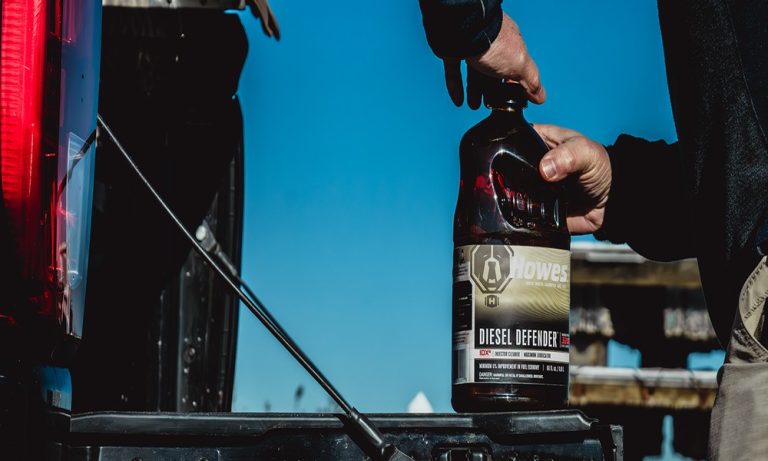
Howes Diesel Defender focuses on injector cleaning and lubricity.

Here is how I would look at it:

  • Adds strong lubricity to protect fuel systems
  • Cleans injectors within a few treatments
  • Prevents new deposits from forming
  • Removes water without alcohol
  • Supports fuel economy gains

This makes it a solid choice if your main goal is engine efficiency and long-term protection. It fits well for trucks, heavy equipment, and daily drivers.

Diesel Treat for Cold Weather

Cold weather creates a different problem. Fuel can gel and stop flow completely.

Howes Diesel Treat addresses that directly:

  • Prevents diesel fuel from gelling
  • Reduces cold filter plugging
  • Adds lubricity during winter
  • Removes water and controls deposits
  • Helps reduce rough idle and smoke

If you operate in cold climates, this becomes one of the best fuel additives for diesel use during winter months.

Diesel Lifeline for Emergencies

Sometimes fuel already gels. At that point, prevention is no longer enough.

Howes Diesel Lifeline is designed for recovery:

  • Reliquefies gelled fuel
  • De-ices frozen filters
  • Gets engines running again fast
  • No need for complex prep
  • Safe for diesel systems

I see this as a must-have backup rather than a daily additive. It solves a specific problem that can leave you stranded.

Multi-Purpose Spray and Penetrating Oil

Fuel additives handle engine performance. Maintenance products handle everything else.

Howes Multi-Purpose Lubricator and Penetrating Oil covers a wide range of uses.

It works as:

  • A penetrating oil to loosen rusted parts
  • A lubricant for moving components
  • A moisture displacer for electrical parts
  • A cleaner for grime and buildup

If you are looking for the best penetrating oil that also lubricates and protects, this type of product gives flexibility. It is used across fleets, agriculture, marine, and mechanical work.

How to Choose the Right Product for Your Needs

I break it down into simple scenarios.

For daily engine protection

Use a diesel fuel additive focused on cleaning and lubricity. Diesel Defender fits here.

For winter driving

Choose a diesel anti gel solution. Diesel Treat is built for this.

For emergency situations

Keep Diesel Lifeline available for gelled fuel recovery.

For maintenance and repairs

Use a penetrating oil and multi-purpose spray for mechanical work and protection.

What Makes a Product Stand Out

Consistency matters more than claims. A product should deliver the same result every time.

Howes products stand out based on:

  • Long history in diesel performance
  • Focus on fuel system protection
  • Safe formulations without harmful solvents
  • Coverage across multiple use cases
  • Availability in sizes from small bottles to bulk

That combination makes it easier to standardize what you use across vehicles or equipment.

Final Thoughts on Choosing Diesel Additives

If you want a simple way to think about this, match the product to the problem.

  • Cleaning and efficiency need a strong injector cleaner
  • Cold weather needs anti gel protection
  • Emergencies need a recovery solution
  • Maintenance needs a reliable penetrating oil

I focus on products that solve these problems clearly and consistently. That approach keeps engines running longer and reduces unexpected issues.

Once you understand what each type of additive does, the decision becomes straightforward.

The safety of your vehicle depends on many parts. One of the most vital components is the brake rotor. These metal discs allow your car to stop. You must understand how they work for safety. Most drivers overlook the importance of these heavy discs. However, proper maintenance of rotors keeps everyone safe. The team at Overbeck Auto Services knows that rotors are essential. Reliable brakes start with a healthy set of rotors. Now we will explore their function in detail.

The Core Function of Brake Rotors

Brake rotors sit behind the wheels of the car. The brake pads squeeze these spinning metal discs. This action creates the friction needed for stopping. So, the kinetic energy turns into intense heat. You need high quality rotors for consistent performance.

Sometimes, cheap materials fail under extreme pressure and heat. High heat can cause the metal to warp quickly. The professionals at Overbeck Auto Services recommend checking them during service. Thick rotors provide a large surface for the pads. This surface area ensures the car stops very fast.

Heat Dissipation and Material Integrity

Brake rotors must handle high temperatures during every trip. Manufacturers use cast iron or carbon ceramics for strength. These materials absorb the heat from the friction process. But, the heat must leave the system very quickly. Venting holes or slots help cool the metal down. Now, imagine braking hard on a very steep hill. The rotors become red hot during this stressful event. Good rotors prevent the brake fluid from boiling over. You rely on this thermal management for your safety. Experts at Overbeck Auto Services inspect the metal for tiny cracks. Proper cooling prevents the rotors from cracking or breaking.

Signs of Rotor Wear and Damage

You will notice signs when the rotors start failing. A shaking steering wheel often indicates a warped rotor. This vibration happens when the surface is not flat. Also, loud squealing sounds suggest a very thin surface. You might feel a pulsing sensation in the pedal. These symptoms mean the vehicle needs a Auto Repair in Springdale, OH soon. Driving with damaged rotors increases your total stopping distance. This delay can lead to dangerous accidents on roads. Sometimes, the rotors develop deep grooves from worn pads. Smooth surfaces are required for the best gripping power.

Maintenance Routines for Long Term Safety

Regular inspections prevent many common braking problems from occurring. You should have the rotors measured during every oil change. Mechanics check the thickness against the factory safety specs. Sometimes, a simple resurfacing can fix minor surface issues.

But, most experts suggest replacing them for better results. The metal must stay within the safe operating limits. You should avoid spraying cold water on hot rotors. This sudden change in temperature causes the metal distortion. Clean rotors ensure that the brake pads last longer. Consistent care keeps the entire braking system working perfectly.

Understanding car scrap value requires looking at three interconnected elements – the Certificate of Entitlement, the age of your vehicle, and prevailing market conditions. These factors work together to determine how much you receive when you deregister and scrap your car in Singapore. Knowing how each one contributes helps you time your decision wisely and secure the best possible return.

The Role of COE in Determining Scrap Value

The COE rebate is typically the single largest component of a car’s scrap value. When you deregister your vehicle, you receive a prorated rebate for the unused portion of the COE, calculated on a monthly basis.

What makes this component particularly dynamic is that the rebate is based on the prevailing quota premium, not the amount you originally paid. This means your payout is directly tied to current market conditions.

Here is how the COE rebate works in practice:

  • High premiums result in a higher rebate for each remaining month
  • Low premiums reduce the rebate proportionally
  • Monthly proration means every month you delay reduces the total rebate
  • Category-specific – the rebate reflects the premium for your vehicle’s COE category

For example, a car with 36 months of COE remaining during a period of high premiums could yield a COE rebate of tens of thousands of dollars. The same car during a low-premium period would return significantly less.

How Vehicle Age Affects the Payout

The age of your car at the point of deregistration determines whether you qualify for the PARF rebate, which can add a substantial sum to your total payout.

The PARF rebate is structured on a declining scale:

  • Under 5 years – 75 per cent of the original Additional Registration Fee
  • 6 to 7 years – 70 per cent of the ARF
  • 8 years – 65 per cent of the ARF
  • 9 years – 60 per cent of the ARF
  • 10 years – 55 per cent of the ARF
  • Over 10 years – no PARF rebate available

The cliff-edge at the ten-year mark is the most critical age-related factor. A car scrapped at nine years and eleven months still qualifies for the 55 per cent PARF rebate, while the same car scrapped one month later receives nothing. For vehicles with a high original ARF, this difference can amount to several thousand dollars.

Beyond the PARF rebate, age also affects the vehicle scrap price in more subtle ways. Older cars generally have lower body and parts value because components have more wear and are less likely to be in demand.

Market Conditions and Their Impact

Several market forces influence vehicle scrapping returns beyond the government rebate framework:

COE bidding trends

The COE market is driven by supply and demand. When fewer COEs are available or demand for new cars increases, premiums rise. Keeping an eye on bidding results in the weeks before your planned scrapping date can help you identify a favourable moment.

Used parts demand

The body value offered by dealers reflects how easily they can resell salvaged components. Popular car models with a large fleet on Singapore’s roads tend to attract better offers because workshops frequently need replacement parts for those models.

Global metal prices

The raw material value of your car depends on commodity markets for steel, aluminium, and copper. When metal prices are high globally, the scrap metal component of your payout increases.

Seasonal patterns

There can be subtle fluctuations in demand based on the time of year. Periods when many car owners deregister simultaneously, such as just before a new year or during COE renewal cycles, may see slight variations in dealer offers.

“In Singapore, we have always taken a long-term view, planning ahead and adapting to changing circumstances.” – Lee Kuan Yew. This forward-thinking approach is precisely what car owners should adopt when timing their scrapping decision.

Estimating Your Payout

To get a realistic estimate of your car’s scrap value before approaching a dealer, follow these steps:

  • Check the current COE premium for your vehicle category on the LTA website
  • Calculate your remaining COE months to estimate the COE rebate
  • Determine your PARF eligibility based on the exact age of your car
  • Research your car model’s parts demand to gauge the likely body value
  • Account for deductions including outstanding loans, fines, and fees

This preparation helps you evaluate whether the quotes you receive from dealers are fair and competitive.

Why Comparing Dealers Matters

While the COE and PARF rebates are fixed by policy, the body and parts value is entirely at the dealer’s discretion. This is where comparing quotes makes a tangible difference to your final payout.

Some dealers specialise in certain car brands and may offer more for models they have stronger demand for. Others may have relationships with overseas buyers for used parts, which can translate into a better offer for you.

Request at least three quotations and ask each dealer for an itemised breakdown. This allows you to see exactly where the differences lie and negotiate from a position of knowledge.

Making the Most of Your Car’s Value

The interplay between COE premiums, vehicle age, and market conditions makes car scrap value a moving figure. By understanding how each factor contributes, monitoring trends, and comparing dealer offers, you can ensure your car scrap value reflects a fair and accurate assessment of what your vehicle is truly worth.

You may be contemplating what to do with an old, non-running car that is parked in your driveway. Why not convert it into immediate funds instead of allowing it to occupy valuable space? Businesses that specialize in helping car owners sell their vehicles for cash. That’s without having to deal with the inconvenience of private sales or costly maintenance.

Many people keep their trash cars because they’re not sure if trading is the best course of action. But retaining it can result in recurring costs. In addition to putting money in your pocket. Selling your junk auto for cash offers a simple and stress-free alternative.

If you’re located locally, Cash For Junk Cars Elyria OH is a trusted local vehicle buyer serving drivers throughout Elyria, Ohio, offering fair prices, fast pickups, and free towing services.

The Benefits

  1. Get Paid Quickly and Stop Waiting

Even damaged cars have important pieces like the engine and catalytic converter. That’s despite the common belief that a wrecked auto is worthless. Sell your damaged auto to reputable purchasers. Those who provide fair prices for both metal scrap and reusable parts to maximize your profit.

  1. Prevents Dangerous Waste from Entering Landfills

Numerous non-biodegradable components, including tires, plastics, glass, and batteries, are found in automobiles. These materials can wind up in landfills. These stay there for decades if they are allowed to decompose in backyards or junkyards.

Selling them guarantees that every component will be properly disassembled. These will be recycled or disposed of safely, reducing waste over time.

If not handled correctly, batteries and other parts may leak dangerous materials into the earth. Go to https://www.loraincountyohio.gov/515/Household-Hazardous-Waste for further reading.

Vending them guarantees that these dangerous components are properly stored and handled. Thus, reducing their adverse environmental consequences.

  1. Easy Procedure with No Paperwork

Endless discussions, paperwork, and untrustworthy buyers make private purchases a burden and can be frustrating. Offering a hassle-free option is one of the primary reasons businesses purchase junk cars.

With a reasonable price offer, no-cost towing, and immediate payment. A buyer streamlines the procedure and eliminates the anxiety associated with private transactions.

  1. No Additional Costs for Towing

Are you wondering how to get money for your junk auto without dealing with transportation issues? To avoid having to move your auto, traders provide free towing and removal.

They’ll take it up for free, whether it’s stranded, in your garage, or in your driveway. The objective is to keep the procedure stress-free. They guarantee that you receive top dollar for trash carriages without incurring any additional fees.

  1. Steer clear of expensive maintenance and repairs.

Older models are more expensive to maintain since they need maintenance more frequently. It is preferable to sell your old automobile for funds and invest in one that’s more dependable. Better than spending money on constant maintenance. It will be easily removed from your possession by a trustworthy buyer.

Article image

  1. Make Room in Your Garage

In addition to taking up costly space, an unwanted vehicle gradually loses value. Sell this for money to a reliable trader who provides a reasonable price. That is the greatest way to get some additional money out of a damaged vehicle.

By doing this, you can earn quick funds for an automobile that you don’t really need. You can clear out your garage or driveway. Selling your old auto is a wise and sensible move. Regardless of whether you require more storage or parking space.

  1. Recycling Preserves Natural Resources

Steel, aluminum, and copper are among the many useful metals found in junk cars. These materials are collected and recycled when you sell them. Thus, it reduces the need for freshly extracted resources.

Recycling metals helps lessen industrial waste and environmental damage. That’s because it requires a lot less energy than extracting and processing fresh ores.

This promotes sustainable production while also protecting valuable raw resources. You’re contributing to the development of a more effective and ecologically sustainable cycle of reuse.

It is better than letting precious parts go to waste. Every recycled part reduces the amount of natural resources used. Also, its impact on the environment.

You can find here additional info.

  1. Reduces Emissions of Carbon

It takes a lot of energy to make new automobile components from scratch. Recycling used parts reduces greenhouse gas emissions considerably. You can actively promote a sustainable economy that puts reuse ahead of waste by selling your trash automobile.

  1. No haggling over prices or untrustworthy purchasers.

With no assurance of a reasonable offer, trading through a dealership may take months. Dealing with a buyer is the greatest option. That’s if you’re wondering how to sell your trash automobile swiftly and hassle-free.

They provide a quick and dependable method of guaranteeing that you will get quick cash for trash automobiles. Of course, without having to deal with lengthy paperwork or needless delays.

  1. Obtain a Cash Offer That Is Guaranteed

Because purchasers may back out or propose unjust prices, private purchases are unpredictable. Regardless of the state of the vehicle, a buyer guarantees a cash offer.

Sell your unwanted automobile for cash right now with a reputable firm. Make sure that they guarantee prompt payment if you’re sick of dealing with shady purchasers.

Gearbox repair is the kind of subject that most drivers prefer not to think about until they have no choice. That is an understandable instinct, but it is also a costly one. The evidence is consistent and clear: vehicles that receive attentive, preventive care avoid the most serious transmission failures, and drivers who learn to recognise the early warning signs are far better positioned to act before the damage becomes severe. Ignoring those signs is not a neutral choice. It is a decision with consequences, and those consequences are almost always avoidable.

Why Early Action Matters

There is a well-documented pattern in gearbox failure. It rarely arrives without prior notice. The transmission sends signals, sometimes subtle, sometimes unmistakable, and the outcome depends almost entirely on how quickly those signals are taken seriously. In Singapore, where vehicles contend with persistent heat and some of the most demanding urban traffic conditions in the region, the window between early warning and serious damage is narrower than many drivers realise.

A minor fluid issue left unaddressed becomes a bearing failure. A bearing failure left unaddressed becomes a full transmission rebuild. The escalation is not inevitable. It is the result of delayed action, and that delay is almost always more expensive than the intervention it was meant to avoid.

Recognising the Early Warning Signs

Unusual Noises

Sound is among the earliest and most reliable indicators that something inside the gearbox has changed. A healthy transmission operates with a certain mechanical quietness. When that changes, when a whine appears at certain speeds, when a grinding accompanies gear changes, or when a clunk is felt through the gear lever, something has shifted in the system.

Grinding in a manual vehicle typically points to synchroniser ring wear. A persistent whine in an automatic, particularly one that changes pitch with vehicle speed, suggests bearing issues or fluid pressure problems. These are not sounds that resolve themselves. They are the transmission’s way of communicating that it needs attention.

Slipping Gears

Gear slip is one of the more serious early symptoms of gearbox trouble. The engine revs increase, but the vehicle does not accelerate in proportion. The connection between engine output and road feel becomes unreliable. In automatic transmissions, this is frequently associated with worn clutch packs or degraded fluid that can no longer maintain adequate hydraulic pressure.

In Singapore’s gearbox repair workshops, fluid-related slip identified early is commonly resolved without major component replacement. The same problem, allowed to continue for weeks or months, typically requires far more extensive intervention. The difference between those two outcomes is the timing of the diagnosis.

Delayed or Erratic Gear Engagement

When a driver shifts from park to drive, the engagement should be immediate and smooth. A delay, a hesitation, or a sudden jolt into gear signals that the hydraulic system is not functioning as it should. Solenoid faults are a frequent cause in automatic transmissions, as are early-stage torque converter problems. Neither issue corrects itself without intervention.

Dashboard Warning Lights

Modern transmissions are electronically monitored, and fault codes are logged whenever the control module detects an anomaly. A warning light on the dashboard is not a bureaucratic inconvenience. It is an alert from a monitoring system designed precisely to catch problems before they escalate. Having those codes retrieved and assessed promptly is among the simplest and most effective forms of early gearbox intervention available.

Fluid Leaks and Fluid Condition

Transmission fluid that is leaking or degraded undermines every function the gearbox depends on. The signs include:

  • A reddish or dark brown puddle beneath the vehicle after parking
  • A burnt smell during or after driving in heavy traffic
  • Fluid that appears dark, cloudy, or gritty when checked on the dipstick
  • A noticeable drop in fluid level between service intervals

In Singapore’s climate, fluid degrades faster than in cooler environments. Checking fluid condition regularly is not an optional extra. It is a baseline requirement for transmission health.

Preventive Maintenance: A Practical Framework

Regular Fluid Changes

The single most effective preventive measure available to any driver is keeping transmission fluid in good condition. Fluid should be changed at the intervals specified for the vehicle, and sooner if the vehicle is used in demanding conditions, frequent stop-start traffic, towing, or extended low-speed driving. In Singapore, where those conditions are the norm rather than the exception, erring toward more frequent changes is sound practice.

Scheduled Inspections

A periodic inspection by a qualified technician provides a picture of transmission health that no amount of attentive driving can fully replicate. Pressure testing, electronic fault code retrieval, and physical inspection of the fluid and filter can identify developing problems before they produce noticeable symptoms. This is the maintenance equivalent of acting on intelligence rather than waiting for a crisis.

Attentive Driving Habits

Driving behaviour has a direct and measurable impact on transmission longevity. Allowing the vehicle to warm up briefly before driving in cold conditions, avoiding prolonged periods of high-load low-speed driving, and not shifting abruptly between drive and reverse without coming to a complete stop all reduce the cumulative stress on the transmission. These are small adjustments with compounding benefits over time.

Conclusion

The case for preventive maintenance is not complicated. It is grounded in evidence, it is consistent across vehicle types and driving conditions, and it is overwhelmingly supported by the outcomes that drivers experience when they choose to act early versus when they do not. Singapore’s driving environment makes that case even more compelling, given the additional demands it places on every component of the transmission. Early action is not merely advisable. It is the rational response to a system that communicates openly and consistently about its condition. For every driver who takes those communications seriously, professional gearbox repair becomes a scheduled, manageable event rather than an unexpected and expensive emergency.

Now you might ignore your vehicle fluids often. The engine relies on liquid for temperature control. This fluid prevents metal parts from melting together. Over time the liquid becomes dirty and acidic. Dirty coolant stops protecting the internal engine components. You must watch for specific warning signs today. A neglected cooling system leads to expensive repairs. European Auto Repair in Olympia, WA experts suggest regular fluid maintenance. Proper care keeps the engine running very cool. Olympia Autoworks provides professional inspections for every local driver. You should monitor your dashboard and smells closely.

High Temperature Gauge Readings

The dashboard needle moves toward the red zone. This indicates the engine is getting too hot. Sometimes the warning light flickers during long drives. The liquid cannot absorb heat effectively anymore. Old coolant loses the ability to regulate thermal levels. You should pull over if the gauge rises. Heat causes the metal parts to expand rapidly. This stress creates permanent damage to the block. Olympia Autoworks technicians can identify the cause of overheating. Fresh fluid will stabilize the internal engine environment.

Sweet Smells Inside the Cabin

Sometimes you notice a very sugary scent nearby. This aroma smells like maple syrup or candy. The scent indicates a leak within the system. Coolant contains ethylene glycol which has sweet properties. Steam carries this smell through the ventilation ducts. You might smell it after parking the car. The odor suggests the fluid is escaping somewhere. Leaks often happen when the liquid becomes old. Corrosive fluid eats through the rubber heater hoses. You need an inspection to find the source.

Grinding Noises from the Engine

Strange sounds often come from under the hood. You might hear a consistent grinding noise now. This sound occurs when the pump struggles badly. Old fluid creates small bubbles inside the system. These bubbles implode and damage the metal surfaces. The pump cannot lubricate itself with dirty liquid. Consequently the bearings start to wear down fast. You will hear clicking or metallic chugging sounds. These noises signal a major cooling system failure. Olympia Autoworks helps drivers resolve these loud mechanical issues.

Discolored Fluid Under the Hood

You should check the overflow tank regularly now. Fresh coolant usually looks bright green or pink. Old fluid looks like muddy water or coffee. Rust and scale collect inside the liquid over years. This debris clogs the small radiator cooling fins. Thick sludge prevents the liquid from flowing correctly. The engine works much harder to stay cold. You can see the particles floating in the tank. Dark fluid means the additives have vanished completely. A flush removes all the harmful buildup instantly.

Visible Puddles on the Ground

Sometimes you find bright spots on the driveway. These puddles indicate a failing cooling system seal. The liquid feels slippery between your thumb fingers. Pressure builds up when the fluid gets old. This pressure forces the liquid out of gaskets. You might see green or orange spots daily. Low fluid levels cause the engine to seize. You must refill the tank to avoid stalling. Small leaks quickly turn into very large holes. Constant dripping proves the system needs urgent help.

Your vehicle operates through a complex network of integrated systems. Many drivers focus only on the engine or the tires. However the humble heater hose plays a vital role in your daily commute. These rubber tubes carry warm coolant from the engine to the heater core. This process provides the heat for your interior cabin during cold months. A faulty hose disrupts this thermal transfer immediately. You might notice a sudden drop in temperature inside the car. This issue often stems from simple wear and tear over time. Seeking help from a professional Brandon’s Transmission & Automotive Repair ensures your system stays functional. Proper maintenance prevents small leaks from becoming major roadside disasters.

The Role of Heater Hoses in Temperature Regulation

The heater hose serves as a bridge for thermal energy. It transports hot liquid directly to the dashboard area. Then the blower motor pushes air across the warm core. This action creates the cozy environment you enjoy every winter. But a cracked hose allows heat to escape before reaching you. Sometimes the rubber becomes brittle due to extreme engine heat. This degradation stops the flow of necessary warmth to the passengers. Now the cabin feels chilly despite your highest climate settings. You should monitor these components for signs of visible bulging. A reliable Brandon’s Transmission & Auto Repair in Bakersfield, CA can identify these weaknesses early. Constant vigilance keeps your driving experience pleasant and predictable.

How Coolant Leaks Affect Interior Air Quality

A damaged hose often leads to messy coolant leaks. This fluid has a distinct and sugary sweet smell. You might notice this scent inside the cabin quite quickly. The ventilation system pulls these chemical fumes into your seating area. This situation creates an unpleasant environment for everyone inside. Long exposure to these odors may cause mild headaches. So you must address any strange smells without delay. The liquid can also pool under the floor mats occasionally. This moisture leads to mold growth within the vehicle carpets. Choosing a reputable Brandon’s Transmission & Automotive Repair solves this localized problem. They replace the hose and clean any residual chemical spills.

Preventing Future Cabin Comfort Disruptions

Regular inspections are the best defense against hose failure. Most rubber components last for several years under normal conditions. But extreme weather cycles can accelerate the aging process significantly. You should check for soft spots or cracks every season. Replacing a cheap hose prevents an expensive engine overhaul later. This proactive approach saves you both time and unnecessary stress. Your passengers will appreciate the reliable warmth on frosty mornings. A healthy cooling system supports the overall longevity of the car. You deserve a ride that feels safe and comfortable always. High quality parts ensure the heat stays where it belongs. Keep your car in top shape for every upcoming journey.

The modern driving experience involves constant stopping. You probably do not think about the alternator often. This component generates the electrical power for your vehicle. It lives in a very hot environment under the hood. Most drivers assume that driving slowly is easier on parts. However, the opposite is true for your charging system. Suburban traffic creates a unique set of thermal challenges. Proper cooling remains vital for the survival of the alternator. Bird Automotive understands how heat destroys sensitive internal electronics over time.

The Problem with Low Speed Airflow

Airflow acts as the primary cooling agent for engines. Forward motion forces cool air through the front grille. This natural breeze carries away the intense engine heat. But stop-and-go traffic kills this helpful natural airflow. The alternator relies on internal fans to move air. These fans spin slower when the engine idles. Heat builds up rapidly around the copper windings today. Sometimes, the temperature exceeds the safe limits for the unit. You might notice a faint burning smell during traffic.

High Electrical Demand During Idle Periods

Modern vehicles require massive amounts of electrical energy now. You likely use the air conditioning during your commute. The radio and navigation screens stay active at stops. Seat heaters or cooling fans pull even more current. The alternator must work harder to meet these needs. This high demand generates significant internal resistance and heat. But the cooling system is at its weakest point. Bird Automotive monitors these stress levels during routine vehicle inspections. The combination of high load and low air is dangerous.

Thermal Fatigue and Electronic Component Failure

Internal diodes convert alternating current into steady direct current. These small parts are very sensitive to high heat. Now the battery will not receive a proper charge. You might get stranded in a busy suburban intersection. Reliable Auto Repair in Blue Springs, MO prevents these sudden failures. Heat is the silent killer of every modern charging system.

Sustaining Performance in Constant Traffic Conditions

Suburban driving is surprisingly harsh on the electrical system. The lack of consistent airflow creates a thermal trap. Heat remains the biggest enemy of long-term alternator reliability. You must prioritize cooling to avoid expensive roadside breakdowns. Proper airflow keeps the internal copper and diodes safe. Efficient charging systems ensure that your vehicle starts every morning. Quality parts and regular checks provide the best protection. Your commute does not have to end in a tow. Stay mindful of the heat living under your hood.

Managing a fleet of commercial vehicles comes with a unique set of challenges. From delivery vans and trucks to service vehicles, downtime can lead to missed deadlines, dissatisfied clients, and increased operational costs. Efficient maintenance and repair solutions are critical to keeping a fleet on the road. Mobile repair services have emerged as a practical and cost-effective option for fleet operators, providing convenience, rapid response, and minimizing disruption to daily operations.

The Importance of Timely Vehicle Maintenance in Fleet Management

In commercial operations, time is money. Even minor vehicle issues can escalate into major problems if not addressed promptly. Regular maintenance, including oil changes, brake inspections, and battery checks—prevents breakdowns that could halt business operations. By integrating mobile repair solutions, fleet managers can ensure timely interventions without removing vehicles from service for extended periods. Searching for mobile mechanic near me allows fleet operators to identify local providers who can deliver immediate on-site support.

Minimizing Downtime Through On-Site Repairs

Traditional workshop visits can be time-consuming for fleets. Scheduling, transportation to a service center, and waiting for repairs can lead to significant productivity losses. Mobile mechanics bring tools, diagnostic equipment, and expertise directly into the vehicle’s location. On-site repairs reduce downtime, allowing vehicles to return to service quickly. This is especially beneficial for urban fleets navigating congested routes, where towing to a shop may be inefficient or impractical.

Cost Efficiency for Commercial Operations

Fleet management involves careful budgeting, and repair costs are a major consideration. Mobile repair services help control expenses by reducing towing fees, lost labor hours, and the indirect costs associated with vehicle downtime. Additionally, many mobile mechanics offer competitive pricing compared to traditional workshops. Proactive repairs conducted by mobile technicians prevent minor issues from developing into major repairs, saving fleets significant amounts over time.

Fleet Reliability and Safety

For commercial operations, reliability is non-negotiable. Delayed repairs or neglected maintenance can compromise vehicle safety, putting drivers, cargo, and other road users at risk. Mobile repair services provide immediate diagnostics and preventive maintenance checks, ensuring that vehicles remain in optimal working condition. By addressing issues as they arise, fleet operators enhance both operational reliability and workplace safety.

Flexibility for Diverse Fleet Needs

Commercial fleets often consist of vehicles with varied maintenance requirements, from light-duty vans to heavy-duty trucks. Mobile mechanics are equipped to handle a wide range of vehicles, performing services such as battery replacement, brake adjustments, fluid top-ups, and minor engine repairs. This adaptability ensures that all fleet vehicles, regardless of type, receive timely care without needing separate service arrangements.

Supporting Urban and Remote Operations

Fleets operate in diverse environments, including city streets, industrial zones, and remote locations. Mobile mechanics extend fleet support beyond the constraints of traditional workshops. For operations in urban centers, quick on-site repairs prevent traffic disruptions and lost delivery time. In remote or off-site locations, mobile repair ensures vehicles remain operational without long delays, which is crucial for service reliability and client satisfaction.

Strategic Fleet Management with Mobile Services

Integrating mobile repair into a fleet management strategy offers more than convenience. It enables proactive maintenance scheduling, real-time repair updates, and better resource allocation. Fleet managers can prioritize vehicles that require urgent attention while maintaining overall operational efficiency. Using mobile services as part of a fleet strategy also allows managers to respond quickly to unforeseen breakdowns, keeping schedules on track and maintaining customer trust.

For commercial vehicle operators, downtime equals lost revenue, reduced efficiency, and increased stress. Mobile repair services provide a flexible, cost-effective, and reliable solution for fleet management. By leveraging the expertise of a mobile mechanic near me, fleet managers can ensure vehicles remain operational, safe, and cost-efficient. In today’s competitive commercial landscape, mobile vehicle repair is not just convenient, it is an essential tool for effective fleet and commercial vehicle management.

Owning a classic truck is about more than nostalgia—it’s about building something that feels uniquely yours. But once you’ve found the right truck, the real fun (and investment) begins: upgrades. From safety and drivability to comfort and style, the right upgrades can transform an old workhorse into a reliable, head-turning weekend cruiser or even a daily driver.

The challenge? Quality parts and professional labor add up fast. That’s where smart financing can help you spread out costs without cutting corners. Here are eight classic truck upgrades that are much easier to afford when you think strategically about how you finance your build.

1. Engine Upgrades or Swap

Whether you’re rebuilding the original engine or swapping in a modern powerplant, this is one of the biggest tickets in the classic truck world—and one of the most rewarding.

Popular options include:

  • Rebuilding the original engine to keep things period-correct

  • Upgrading carburetion or fuel injection for reliability and performance

  • Swapping in a modern crate engine with better power and efficiency

These projects can easily run into the five-figure range once you factor in parts, machining, and labor. Instead of compromising with a halfway build, smart financing can allow you to do the job right the first time, with quality components and a trusted shop.

2. Modern Braking System

Many classic trucks were built in an era when drum brakes and long stopping distances were normal. On today’s roads, that’s not ideal—especially if you plan to drive your truck regularly.

Key upgrades include:

  • Front and rear disc brake conversions

  • Power brake boosters and modern master cylinders

  • Stainless brake lines and high-quality pads/rotors

Braking is a safety upgrade that dramatically improves your confidence behind the wheel. It’s one of those areas where cutting costs can have real consequences. Financing can help you invest in a complete, properly engineered system instead of piecemeal fixes.

3. Suspension and Steering Improvements

Classic trucks often ride like… well, trucks. Leaf springs, worn shocks, and vague steering can make long drives tiring and less enjoyable than they should be.

Upgrades might include:

  • Modern shocks or coilovers

  • Lowering or leveling kits for better stance and handling

  • Power steering conversions and upgraded steering components

These changes can transform the driving experience, making the truck feel tighter, more predictable, and more comfortable—without losing its character. Financing can help you tackle the whole package (front and rear) instead of just replacing one or two worn parts at a time.

4. Transmission and Drivetrain Upgrades

A transmission that’s constantly hunting for gears or revving too high on the highway can wear you out and hurt fuel efficiency. Many owners upgrade to:

  • Overdrive automatic transmissions

  • Modern manual transmissions with better gear spacing

  • Stronger rear ends and better gearing for highway cruising

Drivetrain work is highly technical and often best left to professionals, which adds to the bill. Smart financial planning lets you pair a new engine setup with the right transmission and rear gearing all at once, instead of doing it in stages that can cost more in the long run.

5. Electrical and Wiring Overhaul

Original wiring in a classic truck is often brittle, hacked over the years, or simply not designed to handle modern accessories. A full or partial wiring upgrade can:

  • Improve reliability and reduce fire risk

  • Support modern lighting, sound systems, and accessories

  • Clean up under-dash and under-hood clutter

A quality wiring harness and professional installation aren’t cheap, but they’re foundational to everything else you want to add. Smart budgeting or classic truck financingcan make it possible to get a full, clean wiring job done instead of settling for patchwork fixes.

6. Interior Comfort and Sound Deadening

You might love the raw feel of an old truck, but road noise, heat, and vibration can make longer drives less enjoyable. Interior upgrades can give you the best of both worlds: classic style with modern comfort.

Consider:

  • Sound deadening mats under the carpet and behind panels

  • Restored or upgraded seats with better bolstering and padding

  • Vintage-style air conditioning systems

  • Updated gauges and a tasteful, period-correct audio system

These upgrades don’t just make the truck nicer to drive; they also boost perceived value and appeal if you ever decide to sell.

7. Paint and Bodywork

Body and paint are often the most visible (and expensive) parts of a build. Proper rust repair, panel alignment, and quality paint can transform a rough survivor into a showpiece.

A serious paint and body project might involve:

  • Cutting out and replacing rusted panels

  • Straightening body lines and fixing dings

  • Full respray with high-quality materials and clear coat

This is a huge investment but also one of the biggest value-adds for a classic truck. With financing, you can choose a reputable shop and quality materials instead of settling for a budget job that may not hold up.

8. Wheels, Tires, and Stance

The right stance can make or break the look of a classic truck. Dialing it in often involves more than just wheels and tires—it’s about balance and proportion.

Upgrades may include:

  • Period-correct or custom wheels

  • Wider, better-performing tires

  • Fine-tuning ride height to match the overall build style

These changes might be the finishing touch that visually ties together all your other upgrades. And while they may not be as expensive as engines or paint, quality wheels and tires still add up—especially when stacked with other projects.

Building the classic truck of your dreams is a journey, and financing is one of the tools that can help you get there without sacrificing quality or safety. By planning your upgrades thoughtfully and using the right financial strategy, you can enjoy the process—and the finished truck—without letting costs get out of control.