Category

Cars

Category

A wedding day is built on moments. From the first photos to the final send-off, every detail helps shape how the day feels. One detail that many couples forget until the last minute is transportation. But the right wedding car service can set the tone for the entire ceremony. It helps the day feel calm, organized, and special from the very start.

A Calm Arrival Creates Confidence

The ceremony starts long before you walk down the aisle. It starts when you step into the car. If transportation is late, crowded, or stressful, it can raise your nerves fast. A professional wedding car service helps you arrive on time and with a clear plan. That calm arrival gives you breathing room. It lets you focus on the moment instead of worrying about traffic, parking, or delays.

When the bride, groom, and bridal party arrive smoothly, the whole event feels more controlled and polished.

Timing Matters for Photos and the Ceremony

Wedding schedules are tight. Hair and makeup run late, photos take longer than expected, and venues often have strict start times. A reliable car service helps protect the schedule. Your driver plans routes, avoids traffic when possible, and keeps pickups and drop-offs simple.

This also helps the photographer. When transportation runs smoothly, the photo timeline stays on track. That means fewer rushed shots and more time for the moments you want to remember.

Style Sets the Mood

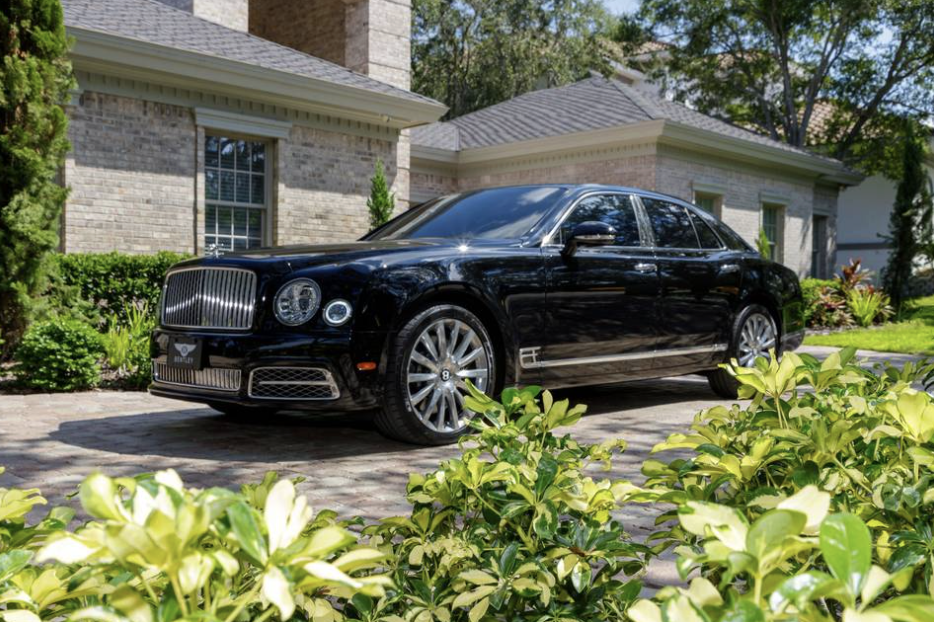
The car you arrive in sends a message. A luxury vehicle adds a sense of importance and excitement. It can make a grand entrance feel even more special. Guests notice it, and it can raise the energy right before the ceremony begins.

It also adds to your wedding photos. A clean, premium car looks great in pictures and helps your day feel more high-end and complete.

Comfort Helps You Stay Present

Wedding outfits can be uncomfortable. Dresses, suits, heels, and accessories can make even a short drive feel like a struggle. A quality wedding car service gives you space, cool air, and a smooth ride. That comfort matters, especially in warm weather. It helps you arrive looking fresh and feeling ready.

A quiet, private ride can also give you a few minutes to relax and reset before the big moment.

Less Stress for You and Your Guests

Transportation problems can affect everyone. If family members get lost or arrive late, it can delay the ceremony. A planned car service helps reduce that risk. It keeps key people where they need to be, when they need to be there.

When guests see that everything runs smoothly, the whole ceremony feels more organized and elegant.

Book Wedding Car Service with Energetic Exotics

The right wedding car service is not just about getting from point A to point B. It supports your schedule, adds style, and helps you feel calm and confident before the ceremony begins. If you want wedding transportation that is smooth, polished, and reliable, get the service from Energetic Exotics. We provide premium vehicles and professional support, so we can help set the perfect tone for your ceremony from the first pickup to the final arrival.

This post was written by a professional at Energetic Exotics. Energetic Exotics brings the thrill of luxury driving to Central and South Florida, offering an elite selection of exotic and high-end vehicles. From the vibrant streets of Miami to the scenic drives of Tampa Bay, our fleet includes prestigious brands like Lamborghini, Bentley, and Ferrari, ensuring an unparalleled driving experience. More than just transportation, renting an exotic car enhances every moment—whether arriving by private jet, staying in a waterfront mansion, or cruising past iconic cityscapes. Elevate your journey with style, power, and sophistication. Whether for business, leisure, or celebration, make every drive extraordinary with Energetic Exotics.

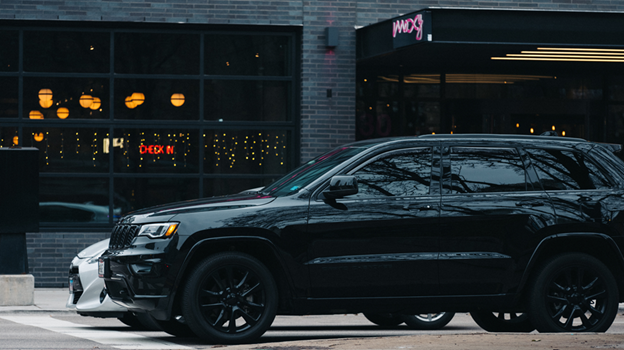
Family road trips should feel exciting—not uncertain. Before the snacks, playlists, and backseat games, give your Jeep or SUV a quick, systematic once-over. This 15-minute checklist focuses on safety, comfort, and the small details that prevent big headaches on the highway.

1) Tires & Pressure (3 minutes)

Start where the rubber meets the road.

  • PSI: Check all four tires—and the spare—against the door-jamb spec. Underinflation builds heat and kills MPG; overinflation amplifies bumps and reduces traction.
  • Tread: Use the coin test or look for wear bars. Uneven wear (inner/outer edges, cupping) hints at alignment issues.
  • Debris: Brush out stones from the shoulder sipes; they’re noisy and can cause slow leaks.
  • Lug torque: If wheels were recently off, confirm proper torque to avoid vibration and rotor warping.

2) Brakes & Pedal Feel (1 minute)

With the engine on, press the pedal. It should feel firm, not spongy.

  • Listen: Lightly roll and brake; squeal may indicate pad glazing, while grinding suggests low pad material.
  • Parking brake: Engage/disengage to verify confident hold on a mild incline.

3) Fluids at a Glance (4 minutes)

Pop the hood and work left to right to avoid missing anything.

  • Engine oil: Check level and color via dipstick; top up only with the correct spec.
  • Coolant: Inspect the reservoir level when the engine is cool; look for crusting around hoses or the cap.
  • Brake fluid: Level between MIN and MAX; dark fluid might warrant a flush soon.
  • Windshield washer fluid: Top off—clear glass reduces fatigue and keeps eyes on the road.
  • Transmission (if serviceable): Many modern Jeep Cherokees are “sealed,” but if yours has a dipstick, check hot and level per the manual. Any delayed engagement or shudder calls for professional inspection.

4) Belts, Hoses & Leaks (1 minute)

  • Belts: Quick visual for fraying or cracking.
  • Hoses: Squeeze gently; they should feel firm, not mushy.
  • Underbody scan: Peek beneath for fresh drips or dampness along the oil pan, transmission, or cooler lines.

5) Battery & Charging (2 minutes)

Electrical gremlins love long drives.

  • Terminals: Ensure clean, tight connections. Corrosion (white/green buildup) can cause no-start surprises at gas stops.
  • Crank test: If starts feel sluggish or lights dim noticeably at idle with A/C on, consider testing at a parts store before you leave.

6) Lights, Wipers & Glass (1 minute)

  • Exterior lights: Headlights (low/high), turn signals, brake lights, and hazards. Ask a helper or use reflections.
  • Wipers: No streaks or chatter; replace blades if they smear.
  • Glass: Clean inside and out—night glare and bug splatter compound driver fatigue.

7) Cabin Comfort & Safety (2 minutes)

Happy passengers = calmer driver.

  • HVAC: Verify strong A/C and heat across vents; fog-prone climates benefit from a quick defrost test.
  • Seats & restraints: Confirm car-seat anchors (LATCH) are tight, headrests positioned, and belts untwisted.
  • Noise check: A new hum, thump, or vibration at 45–65 mph is a cue to investigate before the interstate.

8) Cargo, Roof & Hitch (1 minute)

  • Load plan: Heavy items low and forward for stability; keep essentials accessible (snacks, wipes, emergency kit).
  • Roof gear: Crossbars tight; straps secure with no loose tails.
  • Hitch: Verify pin/clip, safety chains crossed, and wiring for trailer lights if towing.

Fast Fixes & Smart Spares to Stash

  • Tire plug kit + portable 12V compressor: Air down on rough access roads, then air up for highway comfort—and plug small punctures without waiting for roadside assistance.
  • Fuses & bulbs: A tiny kit saves late-night stops.
  • Work gloves, shop towels, flashlight: Small comforts that make roadside checks efficient.
  • Coolant and washer fluid: Top-offs on the go.
  • Paper map or offline navigation: Cell service can vanish in the fun places.

Road Test: The Two-Minute Loop

Before loading the family, take a quick spin around the block.

  • Steering straight? No pull or dead-zone wander.
  • Braking smooth? No pulsation or side pull.
  • Transmission behavior: Shifts should be crisp and consistent—no flare (RPM rises without speed) or shudder at light throttle.
  • Listen: Windows cracked slightly help catch wheel-bearing growls or rhythmic thumps from tires.

When a Quick Check Says “See a Pro”

Some issues are better caught early:

  • Persistent vibration at highway speeds even after proper tire pressure and torque.
  • Brake warning lights (ABS, stability control) or a soft pedal.
  • Transmission symptoms like delayed engagement, slipping, or new leaks.
  • Cooling concerns: Gauge climbing on grades, sweet smell (coolant), or visible steam.

If your checklist flags something you can’t resolve in the driveway, prioritize Jeep Cherokee repair before the trip. Solving a small leak or alignment issue now beats managing a breakdown with kids and luggage in mid-July traffic.

Final Pack-and-Go Tips

  • Fuel strategy: Fill up the night before; fewer morning stops keep momentum (and moods) high.
  • Snack and trash plan: Sealable containers and a small bin maintain cabin sanity.
  • Stretch schedule: Plan a 10-minute stop every 2–3 hours; it helps alertness and reduces “Are we there yet?” frequency.
  • Share the checklist: Keep this routine on your phone. Repeating it before every trip builds confidence and catches problems when they’re still cheap.

Fifteen focused minutes can transform road-trip stress into highway certainty. With a quick tire/fluids/electrics sweep and a short road test, your SUV is set to carry the most precious cargo you own—safely, comfortably, and drama-free.

If you have tried to hail a York Taxi during a race day or on a wet Saturday night, you already know that timing and planning matter. I cover taxi services in cities across the UK, and York is one of the most rewarding places to navigate once you learn the patterns. Over the past few years I have tested many operators, spoken with drivers, and taken rides at all hours. The firm behind Taxi York stands out for clear pricing, honest ETAs, and smart routing. I now point readers to them when friends ask how to book a taxi in York with less hassle. If you need a ride today, the quickest route is to book a taxi in York before the rush begins.

Why York gets so busy

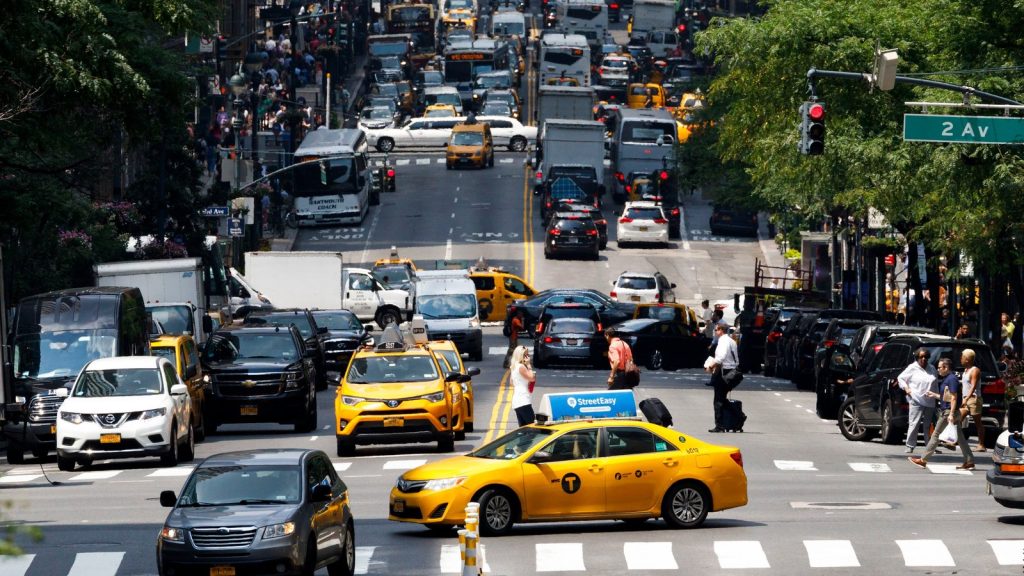
York is compact, popular, and full of pinch points. This is a medieval city with narrow streets and footfall that spikes without much warning. York Taxis often see waves of demand around the same places and times. Learn those waves and you will wait less.

Weekdays carry a predictable rhythm. Commuter peaks sit around 07:30 to 09:00 and 16:30 to 18:00. Train arrivals bunch around the top of the hour. Friday evenings start early when tourists roll in. Saturdays are the most intense. Sundays ease off after lunch but jump again after big events.

Seasonal surges include the Christmas Market, university graduation weeks, the York Races calendar, Jorvik Viking Festival, and major theatre runs. Add wet weather and you have a perfect storm for longer waits. Taxis York cope well but you should plan ahead when you can.

The five places that create the longest waits

York Station

The station rank is efficient yet can gridlock at the top of the hour when several services arrive within minutes. If you land with a family and luggage, pre-book. Drivers will coordinate meet locations to avoid the main bottleneck. If you did not pre-book, walk to the far end of the rank and queue there. It moves faster than the crowd near the main entrance.

Coney Street and the city centre

Footfall is heavy, especially on Saturdays and around payday. Pedestrian zones and one-way systems add loops for cars. A Taxi York driver will usually choose a side street pick up. Trust that advice. If the driver suggests a nearby corner with a better run out, head there. You will save minutes.

York Racecourse

Finish times push a surge of York Taxis requests all at once. Book your return pickup before the first race. Choose a pickup point away from the main exit where road closures cause delays. Drivers know the typical closure plan and will plot a route that avoids the snarl.

University of York

Graduation weeks and term move-in days fill cars fast. Group travel with suitcases is common. Pre-book an estate or a people carrier. Tell the operator how many bags you have. It helps dispatch match you with the right vehicle to avoid a second trip.

The Christmas Market

The market draws visitors from across the region. Streets narrow with stalls and crowds. Weather can turn at short notice. A York Taxi can still get close if you choose a pickup a short walk from the most crowded lanes. Ask for a landmark that is easy to spot and lit at night.

When to call, click, or hail

York is not a large city, so the gap between calling and clicking is small. Hailing on street is legal from black cabs at ranks or when the light is on, but during peaks you will burn time waiting. For speed, use a pre-booked ride. It gives you a queue position and a clear ETA.

Call when you need to explain extra needs like a child seat or an assistance dog. Click when you know the addresses and timing. If your schedule is fixed, book well in advance and confirm your pickup window on the day.

How to read ETAs the right way

ETAs are a forecast, not a promise. What matters is how accurate they are across a week of rides, not a single good run. The York Taxi operators I rate tell you a practical range and then hit the midpoint more often than not. If you see an ETA with a wide range during a storm or an event, take it as honest. Drivers are building in road restrictions and diversions that change by the hour.

The 10 minute rule that saves most delays

Aim to be in place at least 10 minutes before your pickup window begins. Drivers do rolling pickups across short gaps. If your driver arrives and you are not ready, you move to the back of their run or you trigger a wait charge after a grace period. Being ready means you walk straight into the car, which keeps the whole chain moving for the next passenger too.

The case for booking an earlier window

If your train leaves at 10:11, do not book your car for 09:50 from across town on a Saturday in December. York Taxis are quick, yet the city can seize up with a single road closure. Bring the pickup forward by 20 minutes during peaks. You buy buffer at a cost of zero. If traffic runs smooth, you enjoy a calm coffee before boarding.

Group travel and luggage tips

If there are four adults with holdalls and a pushchair, a standard saloon may not fit everything without a squeeze. Say what you carry when you book. Ask for an estate or a people carrier. Drivers prefer to know up front and it avoids second journeys. Fold the buggy before the car arrives and keep small bags together. This cuts loading time in half.

Accessibility and assistance

York is better each year on accessible travel. Many vehicles take wheelchairs. Pre-book and confirm the space you need. Tell the operator about ramps or steps at pickup points. Drivers can choose the best kerb for boarding. If you travel to hospital or a clinic, add the ward or department name to help the driver find the right door.

Children, seats, and safety

Licensed drivers understand the law on child seats. Provide your own where possible for best fit, but some vehicles carry a basic booster. Ask when you book. For short trips within the city, seat rules give exemptions in taxis, yet the safest plan is to use a proper seat for younger children whenever you can. Belt up on every journey. It sounds obvious, yet I still see lapses when groups pile in after a night out.

Pay the easy way

Most reputable operators accept cards, contactless, and cash. If you want a receipt for expenses, say so when you book. Business travellers can open accounts with agreed terms. For airport runs, a fixed quote is standard. Confirm the quote covers any parking or drop-off charges at the terminal.

Lost property

It happens. The honest fix is to act fast. If you lose a phone or wallet, contact the operator with the pickup time, route, and drop-off. A driver will check the vehicle and often return the item on their next pass or at a set handover point. Share a second contact number so the driver can reach you if your phone is the missing item.

Airport transfers without drama

From York you can reach Leeds Bradford, Manchester, Newcastle, and East Midlands. Manchester is the most common for long haul. Build in extra time for the M62 and the M60. On return, a driver can track your flight and adjust the pickup time. Give your flight number when you book. If you have skis, golf clubs, or extra cases, request a larger vehicle.

Late night common sense

After midnight, small choices have a big impact on wait times. Order from a well lit pickup. Avoid double parking. Keep your phone to hand in case the driver calls to confirm the exact spot. If your group splits, confirm which names are attached to which car. It stops a passenger from climbing into the wrong vehicle by mistake.

The best pickup points in the centre

Drivers know the legal stops and the ones that only work at certain hours. Here are a few reliable spots to aim for when footfall is heavy.

  • Make Outwood Lane or Station Road spurs your friend when the main station rank is loaded.
  • Use side streets near Coney Street and avoid the tightest pedestrian lanes.
  • For the Minster area, agree a meeting place a short walk away to keep the car moving.
  • After events, step outside the inner cordon to a clear street where the car can turn.

The weather effect

Rain moves people from walking or buses into taxis at the same time. ETAs stretch 5 to 15 minutes. Drivers become more cautious for safety. Build this into your plans. A compact umbrella and a set meeting point keep things smooth while you wait. If floods close routes, trust drivers to take the longer arc. You still arrive faster than waiting for a full bus in poor weather.

Pricing that feels fair

Most city journeys in York sit within a narrow price band. You pay for time and distance on the meter or a fixed quote on longer trips. What I like about the best York Taxi operators is the lack of surprises. They share the tariff, tell you about extras like late night or bank holiday rates, and do not bury fees. If you move to a larger vehicle due to luggage, confirm any change in price up front.

What makes a good York Taxi operator in practice

You can judge a firm by three habits. Do they give honest ETAs. Do they send the right vehicle for the job. Do they stick to the agreed rate. Every strong experience I have had with Taxi York hit those marks. Calls get answered. Text updates arrive on time. Drivers know the back routes and use them when traffic builds. This is not hype. It is the steady service that locals depend on week after week.

Why locals often pre-book short hops

Pre-booking a two mile run may feel fussy. In York it is smart. It gives you priority in the queue system and a reliable arrival. It also helps the operator plan the fleet. When they know your pickup and drop-off, they can string jobs together and cut dead mileage. That keeps costs stable for everyone.

How to choose the right vehicle

A saloon suits one to three passengers with small bags. An estate fits four with cases. A people carrier takes groups and bulky kit. If you travel with a bike, guitar case, or trade tools, say so. Drivers can fold or lift seats to make space. That small step avoids a second car and the extra wait that comes with it.

When trains and taxis work together

If you arrive by rail, a pre-booked York Taxis pickup can shave ten minutes from your door to door time. You skip the rank when it is jammed and walk to a quieter pickup where the car can roll in. On the way out of the city, ask your driver about the best platform entrance for your train. Their route choice will line you up for the quickest path to the barrier.

York for visitors in a single day

Tourists often try to cover too much on foot. A Taxi York itinerary lets you see more without rushing. Start early at the Minster. Hop to the National Railway Museum. Cut over to Clifford’s Tower. Lunch near Fossgate. Finish with a loop of the city walls where accessible. Three short rides beat a long slog and you still feel fresh for dinner.

Clear communication helps everyone

Tell dispatch if you add a passenger or change the pickup point. Share a landmark. Check the house number is visible at night. Keep your phone off silent near pickup time. If you need a stop en route for cash or a drop of keys, say so when you book. Drivers can plan a safe place to pull in without holding up traffic.

What to expect from a good local dispatcher

A good dispatcher is calm, fast, and clear. They confirm details, read back addresses, and give a realistic ETA. In York, the best teams know when an event will spill out and where roadworks change patterns. They will warn you about pressure points and suggest a better slot. That local knowledge is worth more than any app map during peaks.

A mid-journey pit stop

If you need a short stop to collect a parcel or pick up a child, agree it before you start. Metered stops add time, yet a planned stop often costs less than a second booking. Drivers will choose a safe place with legal stopping. It keeps you and the car protected from fines or hazards.

Why I recommend this firm

I write about taxis from Glasgow to Brighton. York is a regular stop for me and I have tested many operators in this city. The firm behind Taxi York has given me consistent service at busy times and quiet ones. The drivers are polite. The cars are clean. The quotes match the bill. If you live here or you are visiting, I am comfortable saying that this is a solid choice for daily trips and for the big days when timing matters most.

The middle-of-town shortcut that often wins

When the city is busy, a pickup a few minutes outside the tightest core will save you time. Ask the driver to suggest a corner that lets them avoid the worst pinch point and keep rolling. You may walk three minutes, then arrive ten minutes earlier at your destination. That trade is usually worth it. For more context on coverage and typical response times across neighbourhoods, check the operator’s local taxi service page and match your plan to their busiest zones.

A simple packing list for smoother trips

It is not fancy. It works.

  • A small foldable umbrella and a power bank for your phone.
  • A printed address or a saved pin for hard to find courtyards.
  • A high-vis luggage tag on black cases during late pickups.

Small items, big difference.

Final checks before you press confirm

Look at the date. Check the direction of travel on one-way streets. Use the notes box to mention gates, codes, or key safes. If you live in a new build, drop a nearby well known landmark. New postcodes can mislead older sat navs. If you are going to a venue, add the entrance name, not just the building name.

When things go wrong

Even the best plan hits the odd snag. Road closures pop up. A train arrives late. A child feels unwell. Call the dispatcher early. Good teams work the puzzle with you and keep your place in line. If you cancel, do it before the driver sets off to avoid a fee. Treat drivers with the same respect you expect. It pays back on your next trip.

The calm way to handle York at its busiest

In a city as popular as York, patience and planning beat panic. Set a pickup window that gives you slack. Be clear on luggage and access needs. Wait at a landmark that a driver can reach without a loop. Respect the meter and the tariff. These simple steps protect your time and your wallet.

Closing thoughts

York is one of the UK’s great walking cities. It is also one of the best cities to cross by taxi when the clock is ticking. Learn the patterns. Book early for the peaks. Trust the local knowledge that drivers bring to every journey. That is how you turn a stressed winter evening into a smooth ride to dinner, or a tight station dash into a relaxed stroll to your platform.

If you need a dependable car right now or want to plan for the next race day, keep it simple and go with a firm that has the routes and the rhythm of the city in hand. In my experience that is Taxi York. When you are stood in the cold on Parliament Street and the rain starts to fall, the fastest fix is to tap for a taxi near me and step into a warm seat within minutes.

 

Choosing the ideal secondhand car requires first a thorough awareness of your way of living. Do weekend trips or frequent long journeys appeal to you? Maybe you need a car that fits a growing family or one appropriate for city driving. Every way of living requires distinct vehicle qualities. For instance, a large SUV or truck would be the greatest fit if you often move hefty goods or tools. For city people, small automobiles with great fuel economy can make regular commutes flawless. Defining your main needs helps you to concentrate on used cars in san diego meant to fit your daily schedule.

Evaluate Comfort and Practicality

When deciding on a secondhand car, your checklist should mostly consist of comfort and practicality. Consider the room you’ll need for passengers, bags, or even dogs. If you have a family, vehicles with versatile seating configurations and lots of legroom—minivans or SUVs—can really make all the difference. A hatchback or sedan with a cozy inside can be sufficient for couples or single visitors. Look at the materials used in the seats, the quality of the suspension, and general ergonomics. 

Consider Long-Term Maintenance and Durability

Regarding upkeep and lifetime, not all old vehicles are made equal. While certain models may come with a reputation of high maintenance expenses, others are well-known for dependability and low care required. Research the car make and model’s standing before deciding what to buy. Also make sure the former owner of the car has routinely serviced it. Understanding that repairs won’t be too difficult and that components are easily available helps you save both time and money. 

Align the Car with Your Budget and Future Goals

Which used car best fits you depends in large part on your budget. Consider other financial factors such as gasoline expenses, insurance payments, and registration fees outside the purchase price. Should you be financing the car, be sure the monthly payments fit your income and long-term financial objectives. If you believe you might upgrade in the future, you also need to take possible resale value into account. 

Finding used cars in san diego that fit your way of life requires careful analysis of your daily needs and future goals, not only the search for bargains. A well-selected car enhances your experiences in many ways—from the comfort of the inside to the practicality of maintenance to alignment with your financial intentions. Your next car can be a dependable friend for all the travels of life if you concentrate on the features that really important to you.

The term “luxury car” conjures up images of top-notch brands, plush interiors, and technology, as well as high-performance cars. What exactly is a luxury car, and what price does it have to be before it becomes a luxury vehicle? Although the definition of luxury is subjective, there are a few general guidelines to help you determine what price a vehicle falls into.

Defining Luxury

Luxury vehicles are characterized by their premium materials, superior workmanship, advanced technology, and focus on comfort and performance. These vehicles are often equipped with top-of-the-line features like leather upholstery, advanced infotainment, powerful engines, and sophisticated safety technology. Luxury cars are often produced by brands with a good reputation for exclusivity and quality, like Mercedes-Benz. BMW, Audi, Lexus, and Tesla.

 The Luxury Price Point

A vehicle is considered luxurious when its price range starts at $50,000-$60,000. This is a big jump in price from mainstream cars, which are typically priced below this threshold. It’s important to remember that this price range is just the beginning of the luxury segment.

  • Entry-Level Luxury: Cars priced between $ $50,000 and $75,000 can be considered entry-level luxury. BMW 3 Series and Audi A4 are examples. Mercedes-Benz C-Class is another. These cars may offer many luxurious features but have fewer customization options and engines that are not as powerful as higher-end models.
  • Mid-Level Luxury: This tier includes cars like the Lexus LS and Porsche Macan. It ranges from $75,000 to $100,000. This level includes more powerful engines, added technology, and better materials.
  • High-End Luxury: This category includes flagship models like the Mercedes-Benz S-Class, Tesla Model S Plaid, and BMW 7 Series. In this category, you’ll find flagship models such as the Mercedes-Benz S-Class and Tesla Model S Plaid. These cars offer the best features, the most superior performance, and an exclusivity level that separates them from other luxury vehicles.
  • Ultra Luxury: For ultra-wealthy people, vehicles above $200,000 are the pinnacle of luxury. This segment is dominated by brands like Bentley, Rolls-Royce, and Aston Martin, which offer bespoke interiors and performance that’s unmatched.

The Role of Brand and Perception

Price alone doesn’t always define a luxury vehicle. Brand reputation, exclusivity, and perception are also important factors. A fully loaded pickup from a mainstream manufacturer might cost more than $70,000 but wouldn’t be considered a luxury car because it lacks premium features and the cachet of luxury brands.

Luxury vehicles are generally priced between $50,000 and $60,000, but prices can vary widely depending on brand, model, and features. The defining features of a luxury car are the same whether you’re looking for an entry-level sedan or a sports car with ultra-luxury performance and comfort. What constitutes a luxurious vehicle is ultimately based on individual perceptions, brand reputation, and preferences.

This post was written by a professional at Tampa Auto Gallery Sales & Leasing. Tampa Auto Gallery Sales & Leasing, in Pinellas Park, FL, is your go-to for luxury cars for sale near you, serving Largo, St. Petersburg, Tampa, & Clearwater. Specializing in exotic brands like Lamborghini, Rolls Royce, Ferrari, & McLaren, they offer the best in sales and leasing. Founded on trust, integrity, & respect, we ensure a top-tier shopping experience with unbeatable prices and quality. Whether you have good or bad credit, their financing options get you behind the wheel. Their inventory is handpicked for reliability and dependability. Visit the best luxury Car Dealership Clearwater FL for an unparalleled luxury car experience today. 

Starting a wholesale dealership can be a lucrative business venture, but it requires obtaining a wholesale dealer license. This license allows you to buy vehicles in bulk from manufacturers or auctions and sell them to retailers or other wholesalers. Here’s a step-by-step guide to help you understand the process of obtaining a wholesale dealer license.

Understanding the Wholesale Dealer License

A wholesale dealer license permits you to engage in wholesale transactions of vehicles, typically excluding retail sales to the general public. It’s a crucial credential for those looking to operate in the wholesale automotive market. Here are the essential steps to obtain your wholesale dealership license.

Steps to Get a Wholesale Dealer License

1. Research State Requirements

The requirements for a wholesale dealer license vary by state. Begin by researching the specific requirements in your state, which can include specific licensing fees, bonding requirements, and application procedures. Check your state’s Department of Motor Vehicles (DMV) or equivalent regulatory agency for detailed information.

2. Complete the Application

Once you understand the state-specific requirements, fill out the wholesale dealer license application. This form typically requires information about your business, including the name, address, ownership details, and the type of vehicles you plan to deal with.

3. Secure a Business Location

Many states require you to have a business location that meets specific criteria for a wholesale dealership. This location might need to have a dedicated office space, a landline phone, and signage. Ensure your business location complies with state regulations.

4. Obtain a Surety Bond

A surety bond is often required to protect your clients and the state against any potential fraud or malpractice. The bond amount can vary, but it’s a necessary step to obtain your license.

5. Attend Pre-Licensing Education

Some states mandate pre-licensing education or training for wholesale dealers. This training covers various aspects of the wholesale vehicle market, including legal and regulatory requirements. Check if your state requires this and complete the necessary courses.

6. Pass a Background Check

A background check is typically part of the application process. This check ensures that applicants have a clean criminal record and are suitable for operating a wholesale dealership.

7. Submit Your Application and Fees

After completing the necessary steps, submit your wholesale dealer license application along with the required fees. These fees can include application processing fees, licensing fees, and fees for background checks.

8. Wait for Approval

Once your application is submitted, it will be reviewed by the relevant state authorities. The approval process can take several weeks. Upon approval, you will receive your wholesale dealer license, allowing you to legally operate your wholesale dealership.

Maintaining Your Wholesale Dealer License

After obtaining your license, you must comply with ongoing requirements to maintain it. These can include renewing your license periodically, keeping up with continuing education requirements, and adhering to state regulations for wholesale transactions.

Acquiring a wholesale dealer license is a crucial step for anyone looking to enter the wholesale vehicle market. By following the outlined steps and understanding your state’s specific requirements, you can navigate the application process smoothly and start your journey as a wholesale vehicle dealer. Ensure to stay informed about any changes in regulations to maintain your license and operate your business successfully.

Window tinting is more than just an aesthetic upgrade for your vehicle. It offers a range of practical benefits that can enhance your driving experience, protect your car’s interior, and even contribute to your health and safety. TechTeinte Vitres Teintées provides high-quality window tinting solutions that can transform your car in multiple ways. Let’s explore the top benefits of window tinting for your vehicle.

UV Ray Protection

One of the most significant advantages of window tinting is its ability to block harmful UV rays. Quality window films can block up to 99% of UV radiation, protecting both you and your passengers from the sun’s harmful effects. This not only reduces the risk of skin damage and premature aging but also helps prevent the fading and deterioration of your car’s interior.

Enhanced Privacy and Security

Tinted windows provide an added layer of privacy, making it difficult for outsiders to see into your vehicle. This can deter potential thieves and keep your belongings out of sight. Additionally, some window films can make the glass more shatter-resistant, providing an extra level of security in case of an accident or break-in attempt.

Temperature Control and Energy Efficiency

Window tinting can significantly reduce the amount of solar heat that enters your car, keeping the interior cooler during hot weather. This means less reliance on air conditioning, which can lead to improved fuel efficiency. In colder months, tinted windows can help retain heat inside the car, creating a more comfortable environment year-round.

Glare Reduction

Driving in bright sunlight or at night with oncoming headlights can be challenging and dangerous. Window tinting reduces glare, improving visibility and reducing eye strain. This can make your driving experience safer and more comfortable, especially during long trips.

Interior Preservation

The sun’s rays can cause significant damage to your car’s interior over time. Leather seats can crack and fade, and dashboard materials can warp or discolor. Window tinting acts as a protective barrier, slowing down this deterioration process and helping to maintain your car’s interior quality and resale value.

Improved Aesthetics

Beyond its functional benefits, window tinting can dramatically enhance the appearance of your vehicle. Whether you prefer a subtle tint or a more dramatic look, TechTeinte Vitres Teintées offers a range of options to suit your style preferences and local regulations.

Shattered Glass Protection

In the event of an accident, tinted windows can help hold shattered glass together, reducing the risk of injury from flying shards. This added safety feature can provide peace of mind for you and your passengers.

Reduced Skin Damage

Regular exposure to UV rays through car windows can lead to skin damage over time. Window tinting acts as a protective shield, reducing your exposure to harmful rays during your daily commute or long road trips.

Better Cell Phone and GPS Reception

Unlike some metallic window films that can interfere with electronic signals, modern high-quality window tints from TechTeinte Vitres Teintées do not affect your cell phone or GPS reception. You can enjoy all the benefits of tinted windows without compromising connectivity.

Long-Term Cost Savings

While there is an initial investment in window tinting, the long-term benefits can lead to significant cost savings. Reduced energy consumption, protection of your car’s interior, and potential health benefits all contribute to making window tinting a smart financial decision.

In conclusion, window tinting offers a multitude of benefits that go far beyond aesthetics. From UV protection and enhanced privacy to improved energy efficiency and safety, tinting your car windows is a worthwhile investment. With professional installation from TechTeinte Vitres Teintées, you can enjoy all these advantages while complying with local regulations. Transform your driving experience and protect your vehicle with high-quality window tinting today.

Paint protection films are also recognized as PPF. Most people refer to it as clear bras for your car. These amazing transparent films are made of urethane to give added protection to your car. There are several other reasons why most car owners prefer installing these. If you haven’t installed it yet on your car, it is time to treat it well.

Brands like ProShield paint protection are enjoying a great demand due to the benefits offered by them to several owners. In this article, we shall check a few top advantages of using these on your car.

7 Surprises you can offer your car with paint protection:

  1. The top layers of these films are made of urethane and polyurethane. These help in protecting the paint from dirt, dust, and other debris. Thus, these films work as protective shield for your car.
  2. Another benefit of installing these is the film has anti-scratch material that doesn’t allow minor scratches or damages visible to the eyes. Thus, the car always looks intact and as good as new.
  3. Other than dirt, dust, and debris, PPF are also known for giving protection to the car from climatic conditions and harsh weather. For instance, constant exposure to sunlight maybe bad for the paint making it look faded. Films help prevent the UV rays to affect the car paint directly.
  4. Cars protected with PPF are likely to give you better results on resale. Thus, these help in maintaining or even improving the resale value of your car if you ever wish to upgrade your vehicle by selling off this one.
  5. Contact with sandy and salty roads that are used to melt snow may have adverse chemical reactions on your car’s paint. Thus, these films come in handy to provide acidic reaction from these concerns. Moreover, the paint protection films also prevent other chemical agents like in washing liquids and acidic bird dropping.
  6. You don’t have to trouble or convince your car for regular massages and spa when you introduce them to these films. A simple wash can make it look great as always!
  7. Your car won’t lose its grace, class, and looks by adding these films. In fact these add luster and shine on your car’s paint making it look stylish always.

ProShield paint protection is a good brand to consider.

The pandemic actually left a significant impact on the travel industry and even more so on car rentals. Many rental car companies were left with no choice but to sell off their fleets in order to survive. 

Unfortunately, when travel suddenly bounced back in March 2021, the same companies couldn’t get their hands on replacement cars from automakers because of the computer chip shortage across the globe. This is the reason why you might have read those alarming headlines about the apocalypse of the car rental company in the news. 

Aside from rental cars being much more expensive these days than they have been in the past, there are even some markets where you might not be able to even find one during peak season. As a result, consumers have started to become inventive.

To save money and time and save yourself from headaches, here are a few helpful pieces of advice to remember: 

Are You Insured Already?

Before you rent a luxury car, be sure to check first if your car insurance or credit card provider got you covered. This way, you no longer need to buy the expensive coverage of the car rental company. 

Try to Book a Refundable Reservation

Avoid making advance payments even when you are already 100% sure that you will go on a trip. After all, unforeseen things do and can happen most of the time. For example, if you end up leaving your driver’s license, you might never be able to drive your rental car in the first place, which means you will only be wasting money in the end. 

Check Luxury Car Rental Prices First

Before you take out your credit card to buy those plane tickets or book your hotel reservations, don’t forget to check luxury car rental prices first. It is very likely that the car rental fee could be too expensive so you might need to alter your plans altogether.

Check and refer to the trusted car rental sites to get a good idea of the current prices. This way, you can be sure that you will score the best deal that suits your budget and meets your requirements. 

Don’t Wing It

If you really need a luxury car rental, don’t just approach an airport car rental counter without a reservation. Consider the current issues with the supply and demand in the industry, your chances of getting a car without a reservation are quite slim.

Inspect the Vehicle 

Make it a point to check the vehicle for scratches, cracks, and dents in the windshield. Inspect the tires, open the trunk and confirm that there is a spare tire. You also need to make sure that the registration sticker is still valid.


When you choose https://lacarcollection.com/, you can be sure that you will be able to save yourself time and money and do away with the headaches associated with renting a luxury car in Los Angeles. This way, you can look forward to a more unforgettable trip! 

Apart from being a necessity, a car is still a symbol of status in India. Cars reflect the persona of the owner, and most people boost the appearance of their four-wheelers by using a range of accessories. Moreover, while a car is one of the costliest purchases made by most people (second only to buying a home), many car owners opt for a comprehensive four wheeler insurance policy to get financial protection from damages due to an accident or mishap. 

However, accessories can get damaged during accidents too. Also, some accessories are highly costly. Therefore, it is important to insure the accessories of the car along with the vehicle. In this article, we will talk about car insurance with accessories cover and help you understand everything that it entails.

What is a Car Accessories Insurance Cover?

First things first, a car insurance policy does not cover all the accessories of your car. Hence, if you want to get them insured, then you will have to opt for a car accessories add-on. Most insurance providers offer add-on covers to help you customise the policy as per your requirements. However, these add-ons increase the premium of the policy.

Different Types of Car Accessories Add-On Covers

Add-on covers for car accessories can be classified into two broad categories:

  • Electrical accessories: The add-on cover will include all electrical accessories like spoilers with brake lights, music systems, fog lights, etc.
  • Non-electrical accessories: The add-on cover will include all non-electrical accessories like the spoiler, seat covers, alloy wheels, etc.

Who Needs A Car Accessories Add-On Cover?

Add-on covers charge a premium. Hence, before opting for a car accessories add-on cover, it is important for the car owner to ascertain if the accessories are worth the premium. Typically, luxury car owners who use costly accessories must opt for this cover. Also, if you live in a natural disaster-prone or theft-prone area, then an accessory cover is recommended.

Benefits of a Car Insurance Accessories Add-On Cover

A comprehensive car insurance policy does not offer coverage for accessories installed in the vehicle. Hence, if you have a high-end accessory, then it is prudent to opt for a car insurance accessory add-on cover. For a nominal charge, insurers offer coverage from damage or theft of car accessories, including car cameras, battery chargers, tyre pressure monitors, any kind of anti-theft device, fire extinguisher, etc.

If your car gets damaged due to an accident, mishap, natural disaster, or man-made disaster, or gets stolen, then you expect the insurance company to provide compensation. However, if you have spent a sizable sum on accessories and the comprehensive insurance policy does not offer coverage for all the accessories, then the purpose of buying it gets defeated.

Hence, before buying a car insurance policy, assess if you need a specific car insurance cover for the accessories. If the answer is affirmative, then look at different insurers and policies. Compare plans and add-on covers and use a car insurance calculator to determine the total premium amount, including the cost of the accessories add-on cover. Make sure that you look at the cost-effectiveness of the car insurance cover before making the purchase.

Summing Up

Car accessories can either be for improving the aesthetic beauty of the vehicle or to meet some functional requirements. In either case, when you buy car insurance, you need to assess if you want coverage for the installed accessories or if you are willing to manage any repair costs or loss due to theft on your own. If the accessories are costly, then it is usually recommended to purchase a car insurance policy with an accessories add-on cover. However, if you have decided to buy one, then research the market and compare providers and plans before signing the dotted line. Good Luck!