
For many RV enthusiasts, staying connected on the road is no longer a luxury-it’s a necessity. Whether for remote work, streaming, or simply keeping in touch with loved ones, reliable internet is crucial. Starlink has emerged as one of the most popular solutions for travelers seeking high-speed satellite internet, but installing it in an RV comes with its unique set of challenges. Understanding these obstacles and learning how to overcome them can save time, frustration, and even money, ensuring a seamless online experience no matter where your travels take you.
RV Starlink installation differs from a standard home setup because of the mobility factor. The constant movement, varying landscapes, and limited space require a thoughtful approach to equipment placement, connectivity, and power management. While the system itself is designed to be user-friendly, real-world conditions on the road often present unexpected hurdles. By exploring common installation challenges and practical solutions, RV owners can maximize the benefits of Starlink while minimizing interruptions to their digital lifestyle.
Mounting and Equipment Placement
One of the first challenges RV owners face is finding the right place to mount the Starlink antenna. Unlike a fixed home installation, RVs require consideration for movement, wind, and vibration while traveling. Placing the dish in a location that provides a clear view of the sky is critical for maintaining a stable connection. Trees, overhangs, or rooftop equipment can obstruct the signal, leading to intermittent connectivity or reduced speeds.
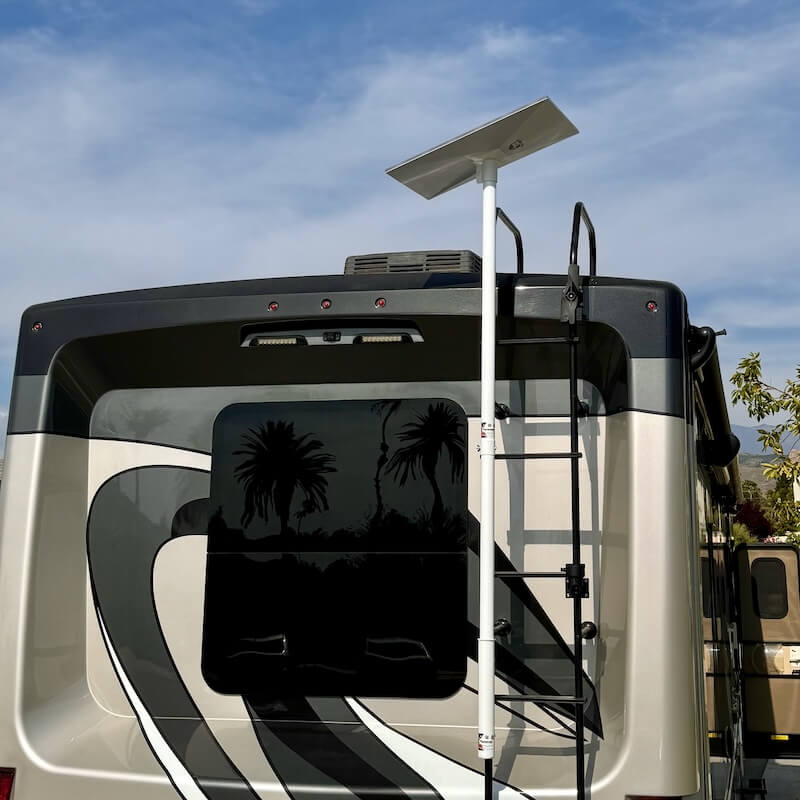
Many RV owners struggle with balancing accessibility and stability. A roof-mounted dish may provide the best line of sight but requires secure mounting hardware and consideration for overhead clearance when driving under bridges or low-hanging branches. On the other hand, portable setups can be moved to an open area, but they may be less convenient and require additional effort to set up each time the RV parks. A practical solution involves testing multiple locations and using brackets or mounts specifically designed for mobile setups. Some owners invest in telescoping poles or swivel mounts that allow quick adjustments, ensuring the dish maintains a clear view of the sky while remaining safe during travel.
Power and Connectivity Considerations
Another significant challenge in RV Starlink installation is ensuring consistent power supply. Unlike traditional home environments, RVs often rely on limited battery capacity, solar panels, or generators. The Starlink dish requires a reliable power source, and fluctuations or interruptions can affect performance. Some users experience connectivity drops when the RV switches between power sources or when battery levels are low.
Addressing this issue often involves integrating the Starlink system with the RV’s electrical setup. Using dedicated inverters, surge protectors, or uninterruptible power supplies can stabilize voltage and prevent interruptions. Additionally, planning for energy-efficient usage, such as operating the Starlink system during periods of sufficient battery charge or while plugged into shore power, helps maintain a reliable connection. Understanding your RV’s power limitations and how the Starlink system consumes energy is essential for ensuring smooth operation, especially for long-term travel or remote work scenarios.
Connectivity challenges also extend to network configuration within the RV. Some users encounter difficulties with Wi-Fi signal distribution, especially in larger RVs or multi-level models. Ensuring the Starlink router is positioned centrally, free from obstructions, and paired with Wi-Fi extenders or mesh systems can help maintain strong internet coverage throughout the vehicle. Planning the layout and network configuration in advance simplifies the installation process and reduces frustration when using multiple devices on the road.
Environmental and Mobility Challenges
The environment presents another set of challenges for RV Starlink installation. Weather conditions, terrain, and mobility can all impact signal quality. Heavy rain, snow, or dense cloud cover may temporarily reduce speeds or disrupt connectivity. While Starlink is designed to function in various climates, RV owners must remain aware of potential interruptions and plan accordingly.
Mobility adds a layer of complexity. Constantly moving from one campsite to another can result in obstacles that would not affect stationary installations. Trees, hills, and other natural features may temporarily block the satellite view, and parking in uneven areas can affect the stability of the dish. In some cases, manual repositioning or minor adjustments may be necessary to maintain optimal performance. Travelers who embrace flexibility, take time to observe the signal strength, and experiment with different parking spots often find ways to mitigate these challenges.
Additionally, some users report interference from other rooftop equipment, such as air conditioning units or satellite TV dishes. Careful planning to separate equipment and minimize obstructions can improve signal strength and reduce connectivity issues. Protective covers or stabilizing mounts can also safeguard the Starlink system against wind, vibration, and minor impacts, extending its lifespan and reliability.
Tips for a Smooth RV Starlink Installation
Successfully navigating the challenges of RV Starlink installation requires preparation, patience, and creativity. First, carefully evaluate the RV layout to identify optimal mounting locations with clear sightlines. Experiment with portable setups if a fixed roof mount is not feasible. Second, integrate the system with a stable power source, considering inverters, surge protection, and battery management to ensure uninterrupted operation. Third, account for environmental factors by testing the system in various weather conditions and adjusting positioning as needed.
Additional tips include familiarizing yourself with Starlink’s software tools and troubleshooting guides. The app provides guidance on placement, signal quality, and firmware updates, which can prevent common installation frustrations. Regular maintenance, such as cleaning the dish and checking mounts, helps avoid performance issues over time. Finally, connecting with online RV communities or forums can provide valuable insights and practical solutions based on real-world experiences, offering shortcuts and advice that save time and effort.
RV Starlink installation may present challenges, but each obstacle has practical solutions that allow travelers to enjoy reliable internet anywhere. By addressing mounting, power, environmental, and mobility considerations, RV owners can transform the way they connect on the road. With thoughtful planning and proactive problem-solving, Starlink provides an unprecedented level of connectivity that enhances the RV lifestyle, whether for work, entertainment, or staying connected with friends and family.

Comments are closed.