
Key Takeaways
- Most lifting accidents are preventable through regular inspections and adherence to weight capacity limits.
- Operator training is just as important as the quality of the machinery in ensuring a safe working environment.
- Using the correct type of hoist for specific materials prevents mechanical failure and unexpected load drops.
Introduction
Industrial environments are inherently high-risk areas, particularly when heavy machinery is involved. One of the most critical pieces of equipment in any warehouse or factory is the overhead crane, yet it is often involved in workplace incidents when safety protocols are neglected. Preventing accidents is not just about following rules; it is about understanding the mechanics of lifting and the limitations of the hardware being used. When a business prioritises the integrity of its lifting systems, it protects its most valuable asset, its employees, while ensuring that operations continue without costly interruptions.
The Dangers of Overloading
The most frequent cause of mechanical failure in lifting systems is exceeding the rated capacity of the equipment. Every system is engineered with a specific maximum load in mind, and pushing beyond that limit puts immense stress on the structural beams, cables, and motors. Even if the system does not fail immediately, repeated overloading causes microscopic fatigue in the metal, which can lead to a catastrophic collapse later. It is vital for operators to be fully aware of the weights they are handling and to never bypass safety sensors designed to prevent overweight lifts.
Maintaining the Overhead Crane Hoist
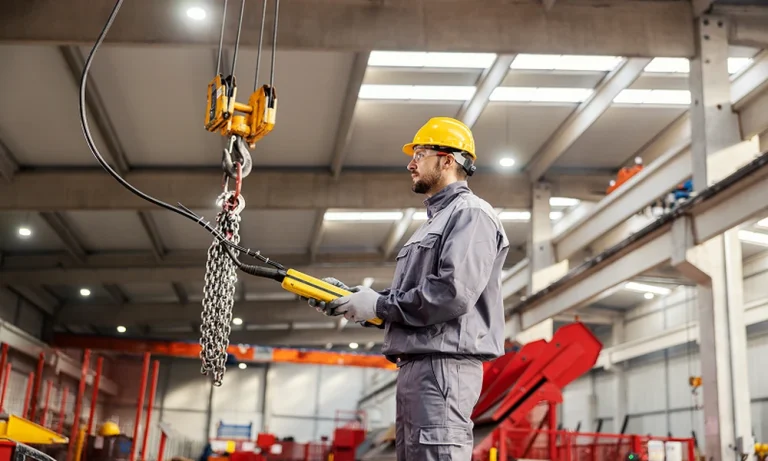
While the crane structure itself is robust, the components that do the actual work are more susceptible to wear and tear. The overhead crane hoist is a complex assembly of gears, brakes, and lifting media, such as wire rope or chain. If the hoist is not regularly lubricated or if the brakes are not checked for responsiveness, the risk of a load slipping increases dramatically. A faulty hoist can result in “load drifting,” where the item being moved continues to descend even after the operator has stopped the motor. Regular professional servicing is the only way to ensure these components remain reliable.
The Human Element: Training and Awareness
Even the most advanced overhead crane cannot compensate for a lack of operator training. Many accidents happen because of poor communication between the crane operator and staff on the ground. Clear signals, whether hand-drawn or via radio, are essential to ensure that no one is standing under a suspended load. Furthermore, operators must be trained to recognise the early warning signs of equipment failure, such as unusual noises, jerky movements, or frayed cables. An empowered and educated workforce is the best defence against the errors that lead to workplace injuries.
Implementing a Culture of Safety
Safety should never be treated as a secondary concern or a “box-ticking” exercise. A proactive approach involves daily pre-operational checks and a strict schedule for deeper mechanical audits. If any part of the system appears compromised, the equipment must be locked out and tagged until a qualified technician can perform repairs. By fostering an environment where safety is integrated into every task, a business can significantly reduce the likelihood of accidents. This commitment to safety also improves employee morale, as staff feel more secure in their daily environment.
Conclusion
Preventing accidents involving heavy lifting equipment requires a combination of high-quality machinery, regular maintenance, and rigorous training. Whether it involves the structural integrity of the overhead crane or the mechanical precision of the overhead crane hoist, every component must be in peak condition. By taking these steps, you can eliminate the most common causes of lifting failures and create a productive, safe workplace. Safety is an ongoing process, but it is one that pays off in the longevity of your equipment and the well-being of your team.
Contact Shin Guan to schedule a safety inspection or to upgrade your lifting equipment today.