
Tag

crane maintenance

Browsing

Key Takeaways

  • Most lifting accidents are preventable through regular inspections and adherence to weight capacity limits.
  • Operator training is just as important as the quality of the machinery in ensuring a safe working environment.
  • Using the correct type of hoist for specific materials prevents mechanical failure and unexpected load drops.

Introduction

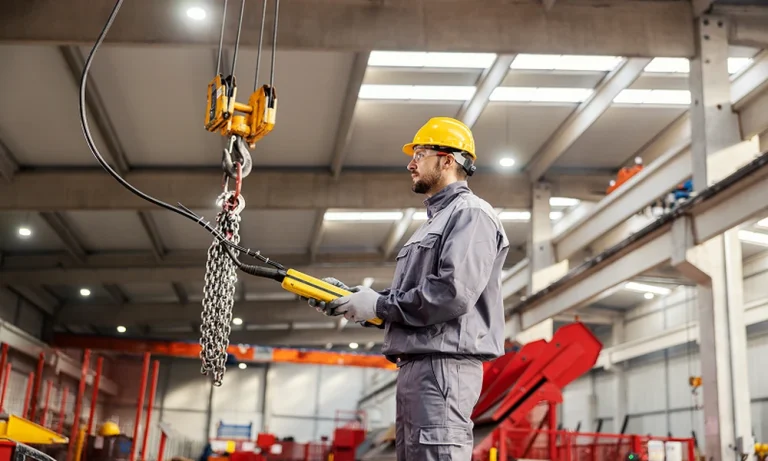
Industrial environments are inherently high-risk areas, particularly when heavy machinery is involved. One of the most critical pieces of equipment in any warehouse or factory is the overhead crane, yet it is often involved in workplace incidents when safety protocols are neglected. Preventing accidents is not just about following rules; it is about understanding the mechanics of lifting and the limitations of the hardware being used. When a business prioritises the integrity of its lifting systems, it protects its most valuable asset, its employees, while ensuring that operations continue without costly interruptions.

The Dangers of Overloading

The most frequent cause of mechanical failure in lifting systems is exceeding the rated capacity of the equipment. Every system is engineered with a specific maximum load in mind, and pushing beyond that limit puts immense stress on the structural beams, cables, and motors. Even if the system does not fail immediately, repeated overloading causes microscopic fatigue in the metal, which can lead to a catastrophic collapse later. It is vital for operators to be fully aware of the weights they are handling and to never bypass safety sensors designed to prevent overweight lifts.

Maintaining the Overhead Crane Hoist

While the crane structure itself is robust, the components that do the actual work are more susceptible to wear and tear. The overhead crane hoist is a complex assembly of gears, brakes, and lifting media, such as wire rope or chain. If the hoist is not regularly lubricated or if the brakes are not checked for responsiveness, the risk of a load slipping increases dramatically. A faulty hoist can result in “load drifting,” where the item being moved continues to descend even after the operator has stopped the motor. Regular professional servicing is the only way to ensure these components remain reliable.

The Human Element: Training and Awareness

Even the most advanced overhead crane cannot compensate for a lack of operator training. Many accidents happen because of poor communication between the crane operator and staff on the ground. Clear signals, whether hand-drawn or via radio, are essential to ensure that no one is standing under a suspended load. Furthermore, operators must be trained to recognise the early warning signs of equipment failure, such as unusual noises, jerky movements, or frayed cables. An empowered and educated workforce is the best defence against the errors that lead to workplace injuries.

Implementing a Culture of Safety

Safety should never be treated as a secondary concern or a “box-ticking” exercise. A proactive approach involves daily pre-operational checks and a strict schedule for deeper mechanical audits. If any part of the system appears compromised, the equipment must be locked out and tagged until a qualified technician can perform repairs. By fostering an environment where safety is integrated into every task, a business can significantly reduce the likelihood of accidents. This commitment to safety also improves employee morale, as staff feel more secure in their daily environment.

Conclusion

Preventing accidents involving heavy lifting equipment requires a combination of high-quality machinery, regular maintenance, and rigorous training. Whether it involves the structural integrity of the overhead crane or the mechanical precision of the overhead crane hoist, every component must be in peak condition. By taking these steps, you can eliminate the most common causes of lifting failures and create a productive, safe workplace. Safety is an ongoing process, but it is one that pays off in the longevity of your equipment and the well-being of your team.

Contact Shin Guan to schedule a safety inspection or to upgrade your lifting equipment today.
Key Takeaways:

  • Strange noises, such as grinding or squealing, are often the first sign that your crane spare parts are failing.
  • Regular visual inspections can catch small cracks or leaks before they lead to a catastrophic mechanical failure.
  • Investing in genuine P&H crane parts ensures that your equipment maintains its original safety ratings and performance standards.

Introduction

Working with heavy machinery is all about trust. You trust that the steel will hold, the cables will not snap, and the gears will turn exactly when they are supposed to. But even the strongest machines aren’t immortal. Over time, the constant stress of lifting tonnes of material takes its toll. If you wait until something breaks to think about maintenance, you are playing a very dangerous game. The key to a safe and profitable site is learning to listen to what your equipment is telling you. Your crane actually gives off plenty of “cries for help” before it finally gives up. Recognising these warning signs is the difference between a quick part swap and a multi-week shutdown that costs a fortune.

Listening to the Metal

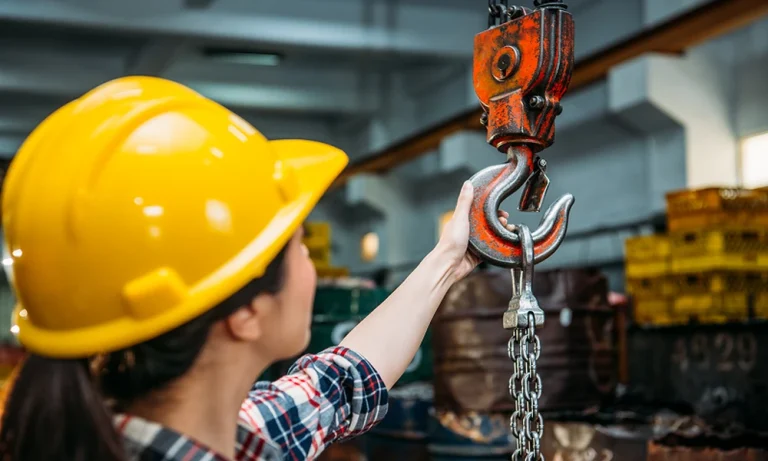
The first sign of trouble usually isn’t something you see; it’s something you hear. Every crane has its own unique voice, the hum of the engine and the whirr of the winches. When that sound changes, you need to pay attention. If you start hearing high-pitched squealing or a deep, rhythmic grinding, it is a clear indication that some of your crane spare parts, such as essential Terex crane parts, have reached the end of their life. Usually, this means metal is rubbing against metal because a bearing has failed or the lubrication has dried up. Ignoring these sounds is like ignoring a fire alarm; eventually, things are going to get very hot and very messy.

It is also worth watching for stuttering movements. If the crane does not move as smoothly as it used to, or if there is a slight delay when you pull a lever, the internal components are struggling. This jerky motion puts even more stress on the structure, creating a vicious cycle of wear and tear. You know what? Most operators can feel these changes through the controls before anyone else notices. Encouraging your team to report even the slightest change in feel can save you a massive headache down the line. It is always better to be a bit over-cautious than to deal with a snapped cable in the middle of a lift.

Visual Red Flags

While your ears are great for spotting internal issues, your eyes are your best tool for external ones. A daily walk-around should be a non-negotiable part of your routine. You are looking for things like bird-caging in the wire ropes, where the strands start to unravel, or any signs of leaking hydraulic fluid. Even a small puddle on the ground can be the start of a major system failure. When you see these signs, it is time to look at your inventory of crane spare parts, including the necessary Terex crane parts. Replacing a seal today is a ten-minute job; replacing a burnt-out pump next week because the fluid ran dry is a whole different story.

Pay close attention to the structural bolts and the paintwork around joints. If you see “bleeding” rust, where rust streaks are coming out from under a bolt, it means there is movement where there should not be. This is a massive red flag. It suggests that the integrity of the connection is compromised. This is exactly why using high-quality components is so important. When you use P&H crane parts, for example, you are getting components that were designed specifically to handle the tensions of that particular machine. Generic parts might fit, but they might not have the same tolerance for the stresses of a high-pressure job site.

The Importance of Quality Components

It can be tempting to save a few pounds by buying “will-fit” parts from an unknown supplier. We have all been there, trying to keep the quarterly budget in check. However, in the world of heavy lifting, this is a classic example of being penny-wise and pound-foolish. Genuine P&H crane parts are manufactured to exact specifications. They use the right grade of steel and the correct heat treatment to ensure they will not fail under load. A cheaper alternative might look identical, but you have no idea how it will behave when you are lifting a multi-tonne load over a busy site. Is that a risk you are really willing to take?

Furthermore, using genuine parts often protects your warranty and your insurance status. If an accident happens and the investigators find a substandard part in the machine, you could be in a world of legal trouble. Keeping a stock of the right crane spare parts on hand means you can do repairs quickly and correctly. It builds a culture of quality on your site. When your team sees that you invest in the best parts, they are more likely to take better care of the equipment overall. It is an investment in the safety of every person who walks onto your project.

Conclusion

Don’t wait for the metal to scream. Be proactive. Watch the ropes, listen to the gears, and keep your store cupboard full of the necessary components. A well-maintained crane can last for decades, providing a reliable return on your investment year after year. It is the backbone of your business, so treat it that way. When you take care of the small things, the big things tend to take care of themselves. That is the secret to a smooth-running operation that stands the test of time.

Shinko Crane provides the high-quality components you need to stay safe. Get in touch to find the right parts for your fleet today.