
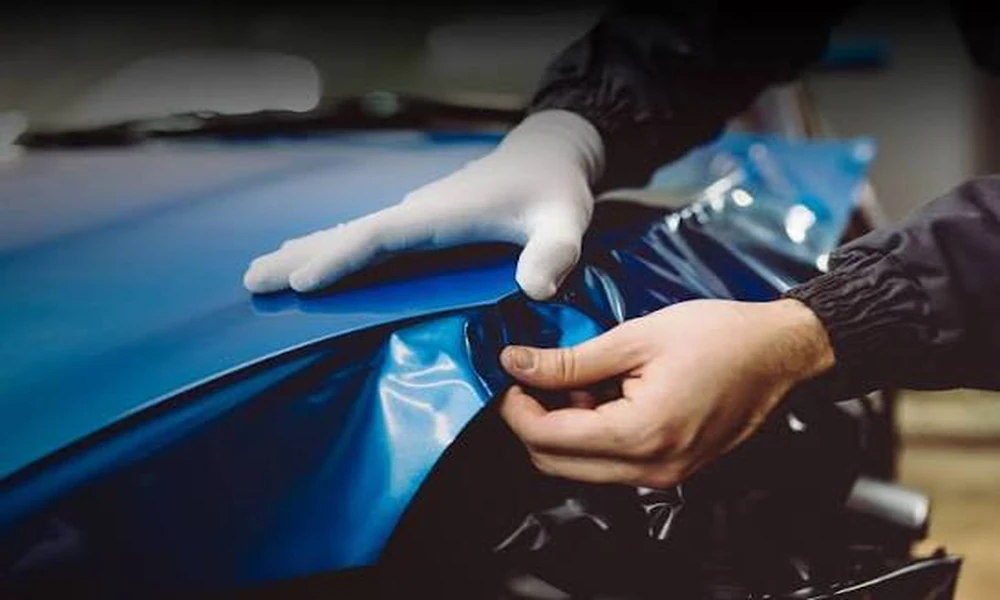
Changing the identity on a working vehicle begins with deciding which information must disappear and when. The old graphics may be intact while the phone number, business name or service message has become wrong. Coordinate professional assessment and replacement with the vehicle’s work schedule, then update the images and references that continue to show the earlier design.
Identify which message has become obsolete
A rebrand does not always require every visible element to change at once. Perhaps the company name remains but a phone number has changed, or a vehicle is moving from one division to another. List the information that is no longer valid before discussing colours. This creates a clear purpose for the project and prevents an attractive new design from retaining an old contact detail by accident.
Walk around all sides of the vehicle and look at separate pieces of lettering as well as the main graphics. Small web addresses, social handles and older promotional stickers can be easy to miss when attention is focused on a large logo. Include removable signs or accessories in the review. The public does not distinguish between the design elements commissioned together and the ones added later by different staff.
Decide who owns the current business information. One person should verify the final spelling, contact details and services against the organisation’s approved materials. An installer can reproduce what is supplied accurately and still end up applying outdated information. Give the project a reliable source of truth before it reaches production, particularly when the change involves several people with different versions of a logo file.
Build the change around the vehicle’s working week
A discussion of SRS Tints’ vehicle graphics service can establish what new printed work is available in Vaughan. Explain that existing graphics are present and ask how removal and assessment would be handled for that vehicle. A page offering custom wraps does not by itself establish the condition of the old film or guarantee a particular removal result. Those details belong in the quotation and inspection.
Separate the stages on the calendar. The existing material may need assessment before the replacement scope is certain, and the vehicle may be unavailable during more than one part of the work. Ask which activities can be planned together and which depend on what is discovered. Avoid promising customers that a van will be back on the road at a particular hour before the provider has confirmed a realistic arrangement.
Consider whether the business can use another vehicle temporarily or move certain jobs. The cost of lost availability can matter alongside the installation price, yet rushing the work is not a substitute for planning. Give the shop an accurate description of the deadline and ask whether it is achievable. If not, change the operational plan while there is still time to communicate it.
A temporary message change should also be discussed professionally. Do not assume that placing new material over old graphics is suitable for the surface or the intended result. Explain what needs to be hidden and for how long, then let the provider assess the options. The requirement is to stop communicating obsolete information; the method needs to respect the actual materials on the vehicle.
Let the revealed surface influence the replacement
The underlying finish is part of the project even when the business is mainly interested in the logo. Share any known repainting, repairs, previous wrap work or damaged areas. If the history is incomplete, say so. A professional can then explain what can be assessed and where uncertainty remains. Do not translate the general idea of removable vinyl into an unconditional promise about every older surface.
Agree on what happens if the surface needs attention after the old graphics are removed. The decision might involve bodywork, a revised design or a different schedule, depending on the assessment. Identify who can approve a change in cost or scope. A driver dropping off the van may not be the person authorised to decide whether an unexpected repair should proceed.
Avoid designing the replacement as camouflage for an unresolved defect. A new graphic can be visually successful while leaving the actual surface problem unaddressed. Ask the provider to distinguish cosmetic design choices from repairs that should happen first. If another specialist needs to be involved, coordinate their advice before treating the print order as final.
Once the new scope is settled, review the actual production artwork carefully. Read phone numbers aloud, open the web address and check the service wording. View each side separately because information may be arranged differently around the body. This is a factual review as well as a visual one. A clean new identity should not inherit a typographical mistake simply because everybody recognised the general layout.
Retire the old identity beyond the parking lot
The vehicle will also exist in photographs. Websites, directory listings, staff presentations and recruitment materials may still show the old design after the physical van has changed. Identify the images that actively communicate current contact information and arrange suitable replacements. There is no need to erase the company’s history, but present-day customer materials should not create uncertainty about which name or number to use.
Let the people who regularly operate the vehicle know what changed. They may receive questions at job sites or notice an overlooked detail during use. Provide a straightforward explanation of the new identity and a way to report a concern. At collection, retain product and design records that could help with later enquiries, while confirming the appropriate care instructions for the new installation.
Look at the business website after the van returns. If its main photograph still directs attention to an obsolete number on the old graphic, the rebrand is unfinished in a practical sense. The vehicle and the images used to represent it should now tell the same current story.
