Author

Clare Louise

Browsing

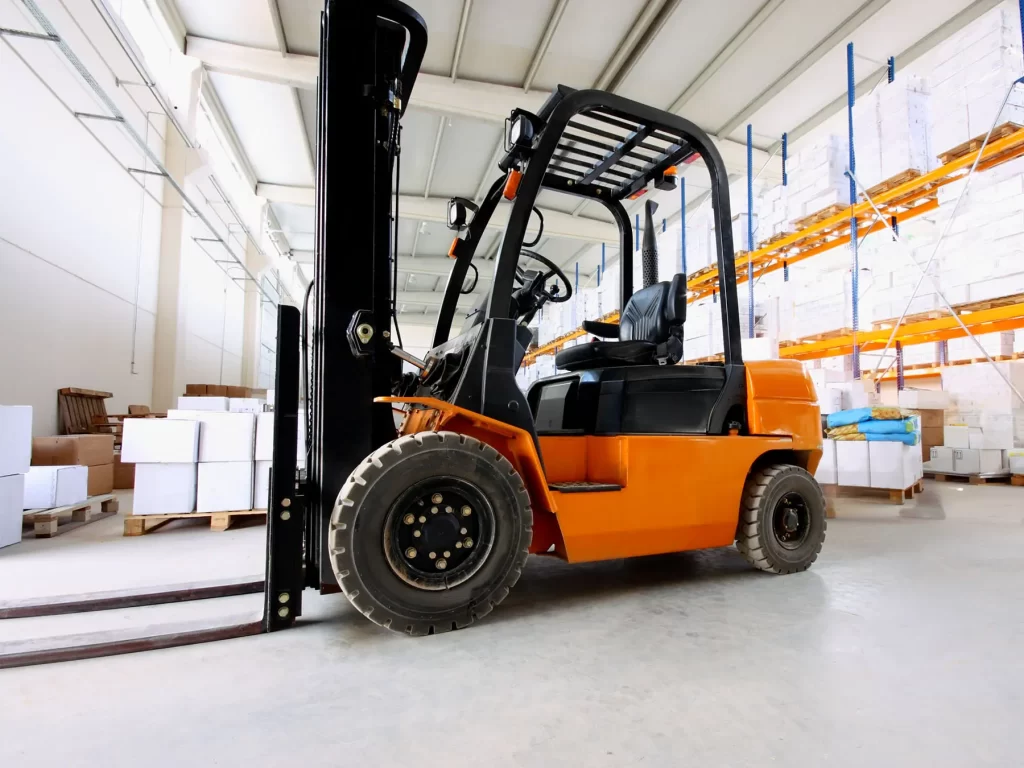
Forklifts are essential equipment in a variety of fields, including construction and warehousing. Operating these powerful machines requires skill, formal training, and certification. Obtaining a licence offers numerous advantages for the individual operator and the employer. This blog explores the key benefits of getting your licence for a forklift and why it is a worthwhile investment.

Why Should You Obtain Your Licence?

  • Enhanced Employment Opportunities

One of the most significant benefits of obtaining a forklift licence is improving employment opportunities. Many industries require certified operators, including manufacturing, logistics, and retail. Employers prefer candidates with a valid licence because it demonstrates their ability to operate safely and efficiently. Additionally, having this certification can set job seekers apart from other candidates, making them more attractive to potential employers.

This licence can lead to job security and advancement opportunities for those already employed. Certified operators are often considered for promotions and other roles that require specialised skills. It also helps individuals to position themselves as valuable assets to their employers, increasing their chances of career growth.

  • Increased Safety Knowledge and Practices

Safety is paramount. Proper training and certification programs cover essential safety practices, including pre-operational checks, load handling, and emergency protocols. By obtaining a forklift licence, operators thoroughly understand these safety procedures, reducing the risk of workplace accidents.

With the skills to recognise and eliminate any risks, certified operators make sure that everyone works in a safer environment. This heightened awareness and adherence to safety protocols can prevent costly accidents and injuries, protecting the operator and their colleagues. A safer workplace benefits employers as well since it results in cheaper insurance costs and less downtime from accidents.

  • Improved Efficiency and Productivity

This licence enhances safety and boosts efficiency and productivity. Certified operators are trained to handle the machinery precisely and confidently, allowing them to complete tasks more quickly and accurately. This proficiency leads to smoother operations and increased productivity, crucial in fast-paced environments such as warehouses and distribution centres.

Efficient operation of forklifts minimises delays and disruptions, contributing to a more streamlined workflow. Employers benefit from this increased productivity, as it can result in higher output and profitability. For operators, improved efficiency can lead to recognition and potential bonuses, further incentivising them to maintain high-performance standards.

  • Legal and Regulatory Compliance

Operating a forklift without proper certification can have severe legal and regulatory consequences. Many countries and regions have strict regulations requiring forklift operators to be certified. By obtaining this licence, operators ensure they comply with these laws, avoiding potential fines and penalties.

Employers are also responsible for ensuring their operators are certified. Hiring unlicensed operators can lead to legal repercussions, including hefty fines and increased liability in the event of an accident. By investing in certified operators, employers can demonstrate their commitment to compliance and workplace safety, protecting their business from legal issues.

  • Personal and Professional Development

Obtaining a certification in these equipment is an investment in personal and professional development. The training and certification enhance an individual’s skill set, providing valuable knowledge and practical experience. This development can increase confidence and job satisfaction as operators feel more competent and secure in their roles.

Professional development through this certification can also open doors to further training and specialisation. Certified operators may pursue additional certifications for different types of forklifts or other heavy machinery, broadening their career prospects. This continuous learning and growth contribute to long-term career success and fulfilment.

A forklift licence offers numerous benefits beyond the individual operator to employers and the broader workplace. Enhanced employment opportunities, increased safety knowledge, improved efficiency, legal compliance, and personal development are compelling reasons to pursue certification. Investing in this licence is a step towards a safer, more productive, and fulfilling career in industries that rely on skilled operators. By prioritising certification, individuals and employers can reap the rewards of a well-trained and competent workforce.


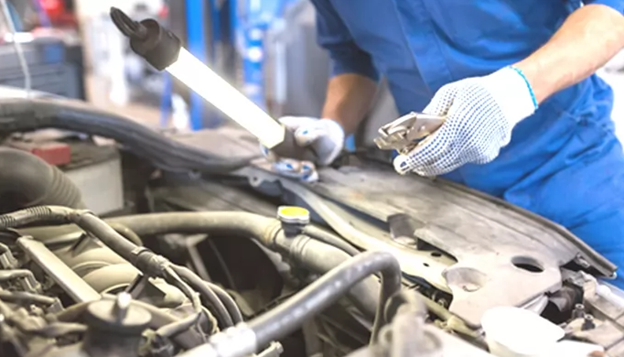
Many myths surround auto repair, leading to unnecessary expenses and misunderstandings about car maintenance. This article debunks the top 10 auto repair myths, helping vehicle owners make informed decisions and avoid common misconceptions.

Myth 1: Premium Gasoline Is Always Better for Your Car

Many believe that using premium gasoline enhances a car’s performance and longevity. However, if a vehicle is designed to run on regular fuel, using premium offers no additional benefits. The best practice is to follow the manufacturer’s recommendations for fuel type to ensure optimal performance and avoid wasting money on premium gas.

Myth 2: Changing Oil Every 3,000 Miles Is Essential

The old rule of thumb to change oil every 3,000 miles is outdated. Modern engines and high-quality oils allow for longer intervals between oil changes, often ranging from 5,000 to 10,000 miles. Checking the owner’s manual or consulting with a professional mechanic provides the best guidance for oil change intervals specific to the vehicle.

Myth 3: Warm Up Your Car Before Driving in Cold Weather

Warming up a car before driving in cold weather is no longer necessary for modern vehicles. Today’s engines are designed to operate efficiently without extended idling. It’s sufficient to drive gently for the first few minutes, allowing the engine to reach optimal temperature without wasting fuel or time.

Myth 4: All Mechanics Are the Same

Assuming that all mechanics offer the same level of service is a mistake. Skill levels, certifications, and customer service can vary widely among auto repair shops. For residents seeking auto repair in Bismarck, ND, researching and choosing a reputable shop with certified technicians ensures quality service and reliable repairs.

Myth 5: Your Car’s Warranty Requires Dealer Service

Many believe that maintaining a car’s warranty requires all services to be performed at the dealership. In reality, as long as repairs and maintenance are performed according to the manufacturer’s guidelines, by a qualified technician, the warranty remains valid. Independent repair shops often provide the same level of service at a lower cost.

Myth 6: Aftermarket Parts Are Inferior to OEM Parts

Aftermarket parts have a reputation for being of lower quality than Original Equipment Manufacturer (OEM) parts. While this can be true for some, many aftermarket parts meet or exceed OEM standards. They offer a cost-effective alternative and often provide equal performance and reliability when chosen from reputable brands.

Myth 7: A Shiny, Clean Battery Is Always in Good Condition

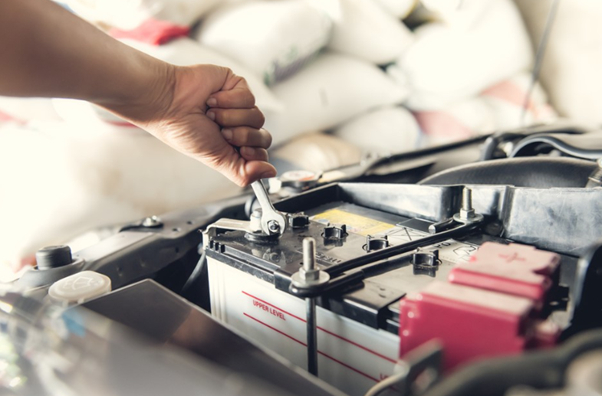
A clean-looking battery doesn’t necessarily indicate it’s in good condition. Internal issues like failing cells or reduced charge capacity can still affect performance. Regular testing of the battery’s health and voltage is crucial for ensuring reliability, regardless of its external appearance.

 Myth 8: Use of Air Conditioning Wastes Gas

Using air conditioning does consume additional fuel, but modern systems are designed to minimize this impact. The difference in fuel consumption between using air conditioning and rolling down windows is often negligible. In fact, at high speeds, open windows can create more drag and reduce fuel efficiency more than using air conditioning.

 Conclusion

Understanding and debunking common auto repair myths can save vehicle owners time, money, and stress. From fuel choices to maintenance practices, separating fact from fiction is crucial for effective vehicle care. Whether dealing with auto repair in Bismark, ND, or anywhere else, being informed helps ensure that the vehicle receives the best possible service.


For the engine of your car to remain healthy and last a long time, regular oil changes are essential. Oil performs many vital tasks, such as lubricating moving components, eliminating impurities, and dispersing heat. Oil may degrade and lose its effectiveness with time, which can cause heat buildup, increased friction, and sometimes even damage to engine parts. You can guarantee the best engine performance and lifespan by changing the oil on a regular basis.

A Comprehensive Guide for Carrying Out an Oil Change

It’s not too difficult to change oil at home; all you need are some simple equipment and supplies. To start, assemble the necessary tools, including fresh oil, an oil filter, a funnel, a wrench or socket set, and an oil drain pan. To get ready, park your car on a level spot, let the engine cool, and find the oil drain plug and filter beneath the car. The Auto Repair in Houston, TX service is the best choice here.

Replacing the Filter and Draining the Old Oil

Now that the car is ready, it’s time to change the filter and drain the old oil. After positioning the oil drain pan below the drain plug and using a wrench or socket set to release it, let the old oil run out entirely. Next, use an oil filter wrench to remove the old oil filter. Then, oil the rubber gasket of the new filter and manually install it, being sure to tighten it tightly.

Checking for leaks and adding fresh oil

It’s time to fill the engine with fresh oil once the old oil has been drained and the new filter has been placed. As directed by your owner’s handbook, remove the oil filler cap, place a funnel inside, and fill the engine with the proper quantity of fresh oil. To circulate the fresh oil, replace the filler cap and start the engine. Once the engine has ran for a few minutes, switch it off and look for any leaks of oil around the filter and drain plug.

How to Get Rid of Old Oil Properly

It is important to properly dispose of the old oil when the oil change is finished. Transfer the spent motor oil from the drain pan to a recycling facility or auto parts shop that takes used motor oil for recycling by pouring it into a sealable container. Used oil should never be disposed of by spilling it on the ground or down the drain since this might pollute water supplies and damage the environment.

In summary

Frequent oil changes are an essential part of auto maintenance that can’t be disregarded. You can protect the health and lifespan of your car’s engine by following a few easy procedures and changing the oil on a regular basis. You may benefit from smooth operation, increased fuel economy, and peace of mind knowing that your engine is well-maintained with regular maintenance.


When your engine is starting to show signs of wear and tear, one of the best options out there to restore it to its original condition is by using mechanic services in Mechanic sunshine north. Mechanic services are often used in situations where your engine needs a little extra care – it could be something as small as an oil change or as big as a full tune-up. Your engine is one of the most important parts of your vehicle, so you want to take good care of it in order for it to run well for a long time.

Importance Of Routine Maintenance For Your Vehicle

Vehicles are a necessity in our daily lives, and they are a major investment that can last for several years. While keeping your vehicle in good condition is important, it’s just as important to keep up with routine maintenance. Doing so will help ensure that your vehicle runs smoothly and efficiently, which will save you money on fuel and repairs.

Here are some of the most important benefits of routine maintenance:

Improves Safety

Regular checkups can help you avoid dangerous conditions that could lead to accidents. If something goes wrong with your car, it could cause an accident or leave you stranded on the road. Regular maintenance can help prevent these situations from happening by catching problems early and allowing mechanics to fix them before they become serious issues.

Extends Engine Life

Regular oil changes go hand-in-hand with engine longevity because they keep harmful particles from building up inside the engine block. When these particles aren’t removed, they can eventually cause damage that leads to costly repairs down the line. These services also include replacing belts and hoses as needed so that parts don’t break down unexpectedly while you’re driving down the highway at 70 mph!

Avoiding Break Downs

Preventive maintenance helps ensure that your car will stay in good working order for years to come. Ignoring small problems can lead to major ones later on, and that means you’ll be paying for expensive repairs or, worse yet, having your vehicle towed away.

Maintains Your Car’s Value

Your car will have a longer life if you take care of it by performing regular maintenance on it. This includes oil changes, tune-ups, replacing filters and more. These things will help extend the life of your car and make it worth more when you trade it in or sell it later on down the road.

Increases Fuel Efficiency

When your engine runs smoothly, thanks to regular maintenance, this increases fuel efficiency by up to 20%. This means that you’ll be able to get more miles out of each gallon of gas than if you didn’t perform routine maintenance on your vehicle. It also reduces emissions caused by poor engine performance due to the lack of routine maintenance checks and repairs made during these checks.

Keeps It Running Smoothly

If you haven’t had a checkup in a while, you may have some problems brewing under the hood that aren’t immediately obvious. For example, your check engine light could be an indicator that something is wrong with your catalytic converter or oxygen sensor. A simple tune-up can prevent these issues from turning into expensive mechanical problems later on.

Less Expensive Than Emergency Repairs

When an emergency arises because of faulty parts or poor maintenance, it can be expensive to fix — especially if you don’t catch it right away and it gets worse over time. If you’re having trouble keeping up with your vehicle’s recommended maintenance schedule, consider using a service like mechanic sunshine north that allows you to book appointments online at local shops near you.

You Can Avoid Accidents

No matter how careful you are on the road, there’s always a chance that something will go wrong and an accident will occur. But if your car is in good working order, then you’ll be able to avoid many of these accidents or at least reduce the amount of damage done if one does happen. For example, if a tire blows out while you’re driving down the highway, it’s going to be hard to avoid hitting another car or veering off into the median. But if all of your tires are properly inflated and in good condition, then this won’t happen as easily.

Conclusion:

If you drive, you need to be able to take care of your vehicle. Whether your vehicle is brand new or you have had it for years, seeing a mechanic in Mechanic sunshine north at least once a year allows you to ensure that everything is in proper working order. It also allows you to educate yourself about the inner workings of your vehicle and how to best care for it.


Most people believe that the only benefit of being a member of the international drivers association is the ability to drive in other countries. However, there are many other benefits that come with being a member of this organization. For example, members of the international drivers association are able to take advantage of worldwide based insurance and roadside assistance services. In addition, members are also given access to exclusive member-only discounts on a variety of products and services.

What is the international drivers association?

The international drivers association (IDA) is an organization that provides international driving permits (IDPs) to motorists who wish to drive in other countries. The IDP is a document that is recognized by most nations and allows drivers to drive in other countries without having to obtain a local driver’s license. The IDP is valid for one year and must be renewed every year.

The IDA also offers a variety of other services to its members, such as road maps, trip planning, and insurance. The organization also provides a forum for drivers to share information and advice on driving in other countries.

What are the requirements to become a member of the international drivers association?

The process of becoming a member of the international drivers association is relatively simple. The applicant must be at least eighteen years old and have a valid driver’s license from their country of residence. In addition, the applicant must have a clean driving record and be able to show proof of insurance. Finally, the applicant must pass a written test on international road signs and laws.

How does the international drivers association help members?

The international drivers association (IDA) is an organization that helps members with a variety of services. They offer help with obtaining an internationally recognized driver’s license, insurance, and travel documents. The IDA also provides members with defensive driving training and support in the event of an accident. In addition, the IDA offers a variety of discounts on products and services related to driving.


What services does the international drivers association offer?

The international drivers association is a service that helps drivers obtain the proper licenses and permits to drive in other countries. The association also provides information on the laws and regulations of driving in other countries, as well as tips on how to stay safe while driving in unfamiliar territory. In addition, the association offers a number of resources to help drivers plan their trips and find the best routes to take.

What is the history of the international drivers association?

The international drivers association (IDA) is a membership organization that represents the interests of professional drivers worldwide. Founded in 1978, the IDA is the largest drivers association in the world, with over 1.5 million members in more than 100 countries.

The IDA advocates for the rights of professional drivers and works to improve working conditions and promote safety for all drivers. The organization also provides resources and support for professional drivers, including training and education programs.

The IDA is headquartered in Washington, D.C., and has offices in London and Brussels.

There are a few things that are as essential to a functioning car as a battery. Car batteries in Joondalup are responsible for providing the electrical current that is necessary to start the engine and power all of the other electrical components in the vehicle.

Without a battery, a car simply will not work. That’s why it’s important to choose the right battery for your car – one that is suited for the make, model, and year of your vehicle.

Not all batteries are created equal, and there are a number of different types on the market. Read on to learn about the different types of car batteries and their benefits!

  • Wet Cell Battery:

The wet cell battery is the most common type of battery found in cars today. It gets its name from the fact that the cells of the battery are filled with a “wet” solution of sulfuric acid and water.

Wet cell batteries are relatively affordable and easy to find, making them a popular choice for many car owners. They also tend to have a long lifespan, often lasting for several years before they need to be replaced.

However, wet cell batteries do require some maintenance and care. For example, the cells must be regularly checked and topped off with water to prevent sulfation (a build-up of sulphur on the lead plates that can damage the battery).

Additionally, wet cell batteries are prone to leaking acid, which can cause serious damage if it comes into contact with any part of your car.

  • Dry Cell Battery:

Dry cell batteries are very similar to wet cell batteries, but with one key difference: the cells of a dry cell battery are filled with an absorbent material instead of a “wet” solution.

This makes them less likely to leak acid, which can be a major advantage. Dry cell batteries are also more resistant to vibration and shock, making them a good choice if you frequently drive on rough roads.

However, dry cell batteries are more expensive than wet cell batteries and can be more difficult to find. They also require more maintenance, as the absorbent material will eventually need to be replaced.

  • Gel Cell Battery:

Gel cell batteries are similar to dry cell batteries in that the cells are filled with an absorbent gel instead of a “wet” solution. This makes them even less likely to leak acid than dry cell batteries.

Gel cell batteries are also very resistant to vibration and shock, making them ideal for use in cars that frequently travel on rough roads. However, they are even more expensive than dry cell batteries and can be difficult to find.

Additionally, gel cell batteries require special chargers, as regular battery chargers may not work properly with them.

  • Lithium-ion Battery:

Lithium-ion batteries are the newest type of battery on the market and are quickly becoming the most popular choice for many devices. Lithium-ion batteries have several advantages over other types of batteries.

First, they have a much higher energy density, meaning that they can store more energy in a smaller space. This makes them ideal for use in portable devices where space is limited.

Second, lithium-ion batteries don’t suffer from the “memory effect” that other types of batteries do. This means that you don’t have to fully discharge them before recharging, as you do with other types of batteries.

Finally, lithium-ion batteries are much lighter than other types of batteries, making them ideal for use in portable devices that are often carried around.

  • Lead-acid battery:

Lead-acid batteries are the oldest type of battery still in use today. They were first invented in 1859 and have been used in a variety of applications since then. Lead-acid batteries have a number of advantages over other types of batteries.

First, they are very inexpensive to produce. Second, they have a high energy density, meaning that they can store a large amount of energy in a small space. Finally, lead-acid car batteries Joondalup are very durable and can last for many years with proper maintenance.