Author

Clare Louise

Browsing

Any vehicle’s safe functioning depends on its brake systems, which enable drivers to efficiently manage speed and stop. Brake cylinders, which are essential to the hydraulic mechanism that engages the brakes, are at the core of these systems. Vehicle owners can maintain their braking systems more effectively if they are aware of the many kinds of brake cylinders and how they work.

The Control Center: The Master Cylinders

The primary part of a car’s braking system is the master cylinder. The master cylinder, which transforms the mechanical power of the brake pedal into hydraulic pressure, is activated when the driver pushes the brake pedal. The wheel cylinders or disc brakes at each wheel receive this pressure once it has passed through the brake lines. The master cylinder in the majority of cars has two independent chambers, which provide redundancy in the event that one system fails. This design improves safety by guaranteeing that the other circuit may continue to operate, enabling partial braking capability, even in the event that one is damaged.

The Actuators in Wheel Cylinders

One essential part of drum brake systems that directly activates the brake shoes is the wheel cylinder. The hydraulic pressure provided by the master cylinder activates the wheel cylinder, which is housed within the drum. It is made up of two pistons that, when under pressure, expand outward, pressing the brake shoes up against the drum’s inner surface to produce friction and slow down the car. Wheel cylinders in contemporary cars are typically small and made to resist high temperatures and pressures for reliable operation and longevity. In such cases, choosing the Auto Repair in Grove City, OH  based service is essential.

The Alternative: Disc Brake Calipers

When a car has disc brakes, the disc brake caliper is the equivalent of a wheel cylinder. The caliper is situated above the braking rotor and contains pistons. The master cylinder’s hydraulic pressure causes the pistons to rotate, pressing the brake pads up against the rotor to produce friction. Disc brake callipers, like wheel cylinders, are crucial for transforming hydraulic pressure into mechanical action that slows down the car. Disc brakes are often chosen over drum brakes because of its greater stopping power and heat dissipation, which may result in improved performance, particularly in high-demand scenarios.

Selecting the Proper Elements

Whether you’re replacing a master cylinder, wheel cylinder, or disc brake caliper, it’s important to choose parts that work with the particular braking system in your car. Using the incorrect parts might compromise safety by reducing braking effectiveness or perhaps causing a full failure. To guarantee the correct installation of these vital systems, it is advised to seek advice from a qualified technician or refer to product specifications.

Conclusion:

Any car owner must be aware of the many kinds of brake cylinders and how they work. The efficient functioning of the braking system may be ensured by routine maintenance and prompt replacement of worn-out parts, which will eventually improve road safety. Drivers may reduce the chances of braking problems and have a safer driving experience by giving priority to brake maintenance and understanding the components involved.

When it comes to off-road adventures, development is key. From the moment you compensate into the wilderness, your vehicle enhances more than just a resource of transport; it transforms into a lifeline. It’s a traveling basecamp, a source of capacity, and a trusty companion in the unknown.

While most off-road admirers focus on high-efficiency tires or suspension schemes, one crucial improvement that often gets missed is the high-output alternator.

The Heart of Your Vehicle’s Power System

Think of the alternator as the courage of your vehicle’s electrical order. It’s responsible for changing mechanical energy into electrical strength, thus stimulating everything from headlights to the air conditioning whole.

For off-roaders who depend on additional electrical supplies like winches, light bars, or portable refrigerators, an extreme output alternator is not just an upgrade; it’s a game-changer.

Understanding the Benefits

Upgrading to ann extreme output alternator is not of the highest quality-size-fits-all answer, but its benefits can be solid for the adventurous operator. Here are some compelling reasons reason you might feel like making the switch:

·       Enhanced Power Capacity:

Standard alternators are designed to meet the electrical demands of common driving. Off-roading, nevertheless, often means running diversified high-power ploys simultaneously. A high-output alternator can deliver raised amperage, ensuring that your vehicle’s battery remains loaded and your gadgets remain running smoothly.

·       Improved Reliability:

Off-road trails may be unpredictable, urgent a vehicle that’s ready for anything. An extreme output alternator offers greater reliability by asserting steady capacity flow, which is particularly advantageous during extreme-stress situations where electrical demands peak.

·       Extended Battery Life:

By efficiently directing the power load, a high-yield alternator can offer the life of your vehicle’s battery. This means fewer battery replacements over time, conditional your money and underrating environmental impact.

Choosing the Right Alternator

Selecting the right high-yield alternator includes considering several determinants. First, determine your vehicle’s electrical needs by adding up the amperage of all the additional accessories you plan to use. From there, choose an alternator accompanying a capacity that surpasses these requirements to offer a margin of security.

It’s also important to consider the alternator’s rapport with your automobile. Not every alternator is a perfect fit for each model, so consulting accompanying a professional, or referencing your vehicle’s manual can support valuable guidance.

Installation Considerations

Upgrading an alternator typically requires some mechanical know-how. While few off-road admirers may choose to tackle this task themselves, enlisting the help of a professional for Auto Repair in Red Lion, PA can sustain time and guarantee a proper installation.

Conclusion

When planning your following-road feat, consider what a high-profit alternator can revive the table. It’s an upgrade that might just make your journey not only more enjoyable but also more memorable.

One essential part of your car’s braking system is brake fluid. It is crucial for efficiently transferring the force from the brake pedal to the braking parts, which enables you to stop your car. Your car’s ability to brake can deteriorate without regular brake fluid maintenance, endangering both you and other drivers. The significance of brake fluid, its function in optimum braking performance, and the necessity of routine maintenance are all covered in this article.

The Role of Brake Fluid in the Braking System

When you push the brake pedal, hydraulic pressure is created, which is how brake fluid works. The car is slowed down or stopped by the brake pads and callipers, which receive this pressure. For the brakes to work correctly, the fluid needs to be able to withstand high temperatures and maintain its stability in a variety of situations. A crucial component of the braking system, the brake fluid essentially serves as the conduit for force transmission. Your car wouldn’t be able to produce the required stopping power without it.

The Impact of Brake Fluid Condition

Brake fluid may deteriorate over time as a result of contaminants, natural wear, or moisture absorption. Brake fluid’s boiling point drops as it absorbs moisture, increasing the likelihood that it will evaporate in hot conditions, like while braking heavily. The brake system may then suffer from “brake fade,” a condition in which the brakes become less effective, leading to longer stopping distances and longer stopping times.  Choosing the Auto Repair in Sugar Land, TX based service is essential here.

Maintaining Brake Fluid for Optimal Performance

Maintaining the proper level and quality of brake fluid is crucial for optimum braking efficiency. To make sure there are no leaks or pressure drops, the brake fluid level must be checked on a regular basis. Low fluid levels can cause air to enter the brake lines, creating a spongy or soft brake pedal that makes stopping harder and less dependable.

Signs of Brake Fluid Issues

If your braking fluid is having problems, they will probably show themselves in a number of ways. Signs that the brake fluid needs to be changed include a soft or spongy brake pedal, trouble stopping, or a drop in braking force. It can also be a sign that the fluid is overheated if you smell something burning. To guarantee that your car’s braking system performs as intended, it is imperative that you take care of these symptoms right away.

Conclusion

To provide the best possible braking performance and safety, the brake fluid must be regularly maintained, especially by monitoring its level and quality. Ignoring brake fluid maintenance can lead to less effective braking, more expensive repairs, and possibly hazardous driving situations. To guarantee a safe and dependable driving experience, always give priority to checking and replacing your car’s brake fluid as part of your routine maintenance schedule.

Brake pads are an essential part of your car’s braking system that guarantee a safe and efficient stop. Because of the continuous friction against the braking rotors, these pads deteriorate over time. To keep the safety of your car intact, it’s critical to spot the symptoms of worn brake pads as soon as possible. Ignoring these warning signs could endanger your safety while driving and cause more serious harm to the braking system.

Squeaking or Squealing Noises

When you press the brakes, a high-pitched squeaking or squealing sound is one of the first indications that your brake pads are worn out. Many brake pads have metal wear indicators built right in, and as the pads are worn thin, they emit this noise. Even though this sound might not seem like much, it’s a clue that the pads need to be inspected or replaced because the amount of friction material has decreased considerably. Driving with worn-out brake pads can harm the braking rotors and require expensive repairs.

Grinding Sounds

The brake pads are totally worn out and the metal of the calliper is grinding against the metal rotor if you start to hear a grinding sound when you push the brake pedal. This is a more severe symptom that suggests the pads are no longer functional. Ignoring this sound could jeopardize your safety by drastically decreasing your braking effectiveness and causing serious damage to the brake rotors, which would require costly repairs.

Reduced Braking Performance

You might observe a reduction in braking effectiveness when brake pads deteriorate. It can take longer for the automobile to stop, or it might need more pressure on the pedal. This decrease in braking force is risky, particularly when you need to stop fast in an emergency. It’s critical to take immediate action if you observe that your brakes are losing their responsiveness.

Vibrations or Pulsations

When braking, if you experience pulsations or vibrations in the brake pedal, it may indicate problems with the brake rotors or uneven brake pad wear. The capacity of the pads to provide smooth friction on the rotor is hampered by uneven wear, which happens when their surface becomes irregular. This may result in an inconsistent application of the braking force, which could create pulsating or vibrations. To identify the reason and stop additional damage in such situations, it’s critical to have the rotors and pads inspected. For a thorough inspection and expert repair, visit a trusted Auto Repair in Red Lion, PA.

Conclusion

Never overlook the significant problem of worn brake pads. Brake pad replacement is indicated by squeaking, grinding sounds, decreased braking effectiveness, vibrations, and obvious wear. Promptly addressing these problems will assist guarantee optimal vehicle performance, stop more brake system damage, and keep you and other drivers safe. It’s critical to make an appointment for a brake inspection with a qualified mechanic right away if you see any of these symptoms.


Asserting proper tire pressure is critical for ensuring taxi security, improving fuel efficiency, reaching tire old age, enhancing taxi acting, and reducing environmental impact. It may seem like a trivial detail, but it can have a significant effect on both your safety and the accomplishment of your vehicle, especially if you rely on a taxi in York for everyday transport. Whether you drive a personal vehicle or operate a York taxi, maintaining correct tire pressure is vital to avoid breakdowns and ensure smooth taxi service. In this item, we will explore the reasons why it is essential to keep your tires correctly inflated to support dependable taxi journeys and maintain peak taxi performance.

Safety

One of the ultimate critical reasons to maintain correct tire pressure is security. Underinflated tires can lead to dropped-off handling and increased staying distances, especially in wet or slick conditions. This can increase the risk of accidents, dawdling both you and other expressway users imperiled.

Auto shop in Savannah, GA will provide more information about tire pressure.

Improved Fuel Efficiency

Maintaining the correct tire pressure can also help correct fuel efficiency. When your tires are underinflated, more of the exhaust surface comes in contact with the lane, creating taller rolling resistance. This raised resistance means your turbine has to work harder to maintain speed, chief to higher fuel devouring.

By keeping your tires properly exaggerated, you can reduce rolling opposition, allowing your vehicle to move more capably and consume less fuel, conditional your money in the end.

Extended Tire Lifespan

Proper tire pressure is essential for extending the old age of your tires. Underinflated tires cause increased resistance between the weary and the road, leading to increased wear and tear. This can influence the need for premature tire substitutes, costing you more services in the long term.

Overinflated tires, in another way, can cause the center of the tire to wear out faster than the edges. By upholding the correct tire pressure, you can guarantee that your tires wear evenly, extending their lifespan and saving you services on frequent replacements.

Enhanced Performance

Maintaining proper weary pressure is essential for optimal vehicle act. Underinflated tires can affect your car’s management, braking, and overall ride comfort. On the other hand, overinflated tires can lead to an abusive ride and reduced traction.

By custody your tires inflated to the urged pressure levels, you can ensure that your automobile performs at its best, providing you accompanying a smooth and safe experience.

Environmental Impact

Proper tire pressure not only benefits your car but also has a certain impact on the atmosphere. When your tires are underinflated, your vehicle produces more carbon issuances due to raised fuel consumption.

By maintaining the correct weary pressure, you can reduce your element footprint by reconstructing fuel efficiency and reducing diffusions, contributing to a greener and detergent environment.

Conclusion

By exactly checking and regulating your tire pressure according to the maker’s recommendations, you can enjoy a more reliable, more efficient, and economical driving experience.

Remember, any minutes gone by checking your exhaust pressure can go a long way in keeping you and your taxi safe along the way.

Maintaining a vehicle is an essential responsibility for some car-holders. While auto repairs are certain, making mistakes during the repair process can be valuable and time-consuming. Read the full article below for more information.

Neglecting Regular Maintenance

One of the most accepted mistakes car-holders make is disregarding regular perpetuation. Skipping oil changes, exhaust rotations, and other routine maintenance tasks can bring about serious issues later. To avoid this mistake, it is owned by following the maker’s recommended sustenance schedule and addressing any issues immediately.

Ignoring Warning Signs

Ignoring warning signs such as unfamiliar noises, dashboard warning lights, or unusual smells can influence major automobile repairs. These signs often display underlying issues that need to be addressed immediately. By paying attention to your automobile and addressing some warning signs promptly, you can prevent small problems from curving into major repairs.

DIY Repairs Without Proper Knowledge

While DIY repairs can save you money, trying complex repairs without the unavoidable knowledge and forms can lead to expensive mistakes. You can also get professional help from an auto shop in Tyler, TX.

Using Incorrect Parts

Using the wrong parts during automobile repairs can cause serious damage to your cab. It is crucial to use the right parts that are agreeable to your cab to ensure correct functioning. Always consult your vehicle’s manual or a professional machinist to ensure you are utilizing the correct parts for your car.

Neglecting to Get Multiple Quotes

Getting diversified quotes for auto repairs is important to ensure you are altering a fair price. Neglecting to shop around and equate prices can result in overpaying for repairs. It is urged to get quotes from various reputable auto repair shops before resolving to ensure you are getting the best deal.

Delaying Repairs

It is owned by addressing any issues immediately to prevent them from escalating. By stopping on top of repairs and maintenance, you can preserve yourself from costly repairs and keep your vehicle in top shape.

Not Communicating Clearly with Your Mechanic

Effective communication accompanying your mechanic is key to guaranteeing that repairs are done right. Be sure to provide itemized information about some issues you are experiencing and ask questions if you are doubtful about the repair process.

By communicating openly with your machinist, you can prevent misunderstandings and guarantee that the repairs are done to your delight.

Conclusion

Auto repairs are necessary for some car takeovers, but by avoiding prevalent mistakes, you can save yourself time, services, and unnecessary stress. By following the tips defined in this online journal, you can ensure that your bicycle stays in top condition and that repairs are accomplished correctly.

Remember to stay full of enthusiasm, communicate efficiently with your machinist, and address any issues promptly to prevent costly mistakes in the end.

Having a dependable car is essential for your operations as a company owner. A reliable car is an essential asset, whether it’s for delivery, meeting attendance, or cargo transportation. Your car’s starter, which is crucial to starting your engine, is one important part. Your everyday routine may be severely disrupted if your starter isn’t working properly. These are the main indicators that the starter in your car needs to be repaired, along with advice on how to take quick action.

Challenges Turning on the Engine

When you have trouble starting the engine, this is one of the most obvious symptoms that your starter isn’t working properly. It may be a sign that your car’s starter needs repair if you find yourself having to turn the key more than once or if it starts later than normal. The engine’s flywheel is engaged by the starter, and any hesitancy may indicate a failing part. This may result in missed deadlines, delayed delivery, and reputational damage for a company owner. It is best to get this issue diagnosed right away by a qualified technician if you become aware of it.

Strange Sounds Upon Starting

Unusual sounds coming from the engine compartment when you try to start your car are another important sign of starter issue. Sounds that grind, click, or whirr might indicate a number of concerns, such as a failed starting motor or problems with the solenoid. If ignored, a grinding noise, for instance, might mean that the starting gear is not interacting with the flywheel correctly, which could cause major damage. You should immediately seek expert treatment by the Auto Repair in Auburn, WA if you hear such sounds. Ignoring them can cause a total starting failure, which would leave you stranded and have an effect on your company’s operations.

Dashboard Warning Lights

The majority of contemporary cars include dashboard warning lights that notify you of numerous problems. A broken starter might be indicated by any signs pertaining to the electrical system or battery, such as the check engine light. The vehicle’s electrical system may be impacted by a malfunctioning starter, which would cause the dashboard’s warning lights to illuminate. Being aware of these warning indicators is essential for company owners since neglecting them might result in more serious car problems later on.

Problems with Batteries

Misdiagnosing starting difficulties as battery problems might happen sometimes. It is imperative that you get the starter and battery checked by a professional if your car is constantly experiencing battery issues or has to be jumped. The performance of your car may be impacted by an unexpected battery depletion caused by a faulty starter. Frequent battery and starter maintenance helps save expensive repairs and unplanned downtime. Always be aware of the state of your battery, particularly if your car depends on it extensively for everyday functions.


The performance of their vehicles is crucial to service-based operations, particularly those that include heavy-duty trucks, logistics, and transportation. Shock absorbers are an important part of cars that are sometimes disregarded in debates regarding vehicle safety. These essential components are crucial for maintaining driver safety, increasing vehicle stability, and boosting ride quality—especially when handling the demanding requirements of frequent travel and large loads.

Reducing Noise and Vibration

The purpose of shock absorbers is to lessen the impact and vibration that a car encounters when driving. Severe jolts are more likely to occur while driving over rocky or uneven terrain, which may unseat drivers and cause accidents. The strains placed on the suspension system are increased in service-oriented businesses when vehicles are laden down with high loads. Superior shock absorbers reduce these impacts and provide a smoother ride that helps drivers keep greater control of their cars. Less jolting and vibrations allow drivers to maintain attention and responsiveness, which reduces the likelihood of collisions. That work can be done properly by the Auto Repair in Red Lion, PA based service.

Improving the Stability of the Vehicle

Improving vehicle stability is one of the shock absorbers’ most crucial jobs. Vehicles often negotiate curves, abrupt stops, and unexpected acceleration in service-based operations. Shock absorbers assist in regulating the suspension system’s movement, avoiding excessive pitching or swaying that may cause rollovers or a loss of control. For example, if the shocks are not absorbing enough of the lateral stresses, delivery trucks that stop often run a significant danger of toppling over. When hauling big loads, it is essential that the proper contact between the tires and the road surface be maintained by well-functioning shock absorbers to prevent traction loss.

Minimizing Wear and Tear on Automobile Parts

Vehicle components may experience significant wear and tear in businesses that rely on large weights and long distance travel. Brakes, steering, and tire wear may all be made worse by malfunctioning suspension components. By absorbing shocks and vibrations, shock absorbers are essential in extending the life of these parts. This results in fewer failures on the road, greatly boosting safety, and also saves companies money by avoiding the expenditures involved with frequent repairs or replacements. A car that isn’t well-maintained puts everyone on the road—including other drivers—at danger.

Increasing Comfort and Focus for Drivers

Performance and safety are directly impacted by driver comfort. Constant bumps and jostles may cause drivers’ focus to decline, which can result in poor decisions and delayed response times. Good shock absorbers provide for a more pleasant ride, which enables drivers to stay attentive and focused even while driving for extended periods of time. Making sure a driver has a pleasant driving experience is essential for safety in service-oriented sectors where drivers may be on the road for many hours moving cargo.


Maintaining your car properly is essential to ensuring its lifetime and functionality. Monitoring and maintaining different fluids, such as engine oil, transmission fluid, braking fluid, and coolant, is one of the most important parts of automotive maintenance. Ignoring fluid problems might result in serious harm or possibly a malfunction. These are some indicators that the fluids in your car need urgent care.

Strange Sounds

Unusual sounds in your car are one of the first signs that there could be a fluid problem. It could be time to check the fluid levels if you notice gurgling, whining, or grinding noises. Poor lubrication caused by low oil or transmission fluid may cause friction and grinding sounds. Gurgling sounds may also be a sign of trapped air in the cooling system, which often happens as a result of a leak or insufficient coolant. In order to save serious damage to your car, you must check the fluid levels right once if you hear any of these noises.

Variations in the Performance of the Vehicle

A discernible shift in performance is another indication that the fluids in your car need to be changed right away. For instance, insufficient transmission fluid may be the cause of your car’s slow acceleration. Promptly addressing fluid deficits may aid in the restoration of vehicle functionality and help stop further issues.

Fluid Seepage

Fluid leaks are an obvious indication that there is a problem with the fluids in your car. Under your car, puddles or patches might be signs of fluid system problems. Engine oil, transmission fluid, brake fluid, coolant, and power steering fluid are among the fluids that leak often. Every fluid has a unique color and consistency. For instance, coolant is frequently bright green, orange, or pink, but engine oil is usually dark or black. It’s critical to locate the cause of any fluid accumulating under your car and take quick action to fix it. In this case the Auto Repair in Riverton, UT based company is essential here.

Dashboard Warning Lights

Many warning lights on the dashboard of contemporary cars signal problems with certain systems, such as the fluids. A few indicators that might come on include the coolant temperature warning light, brake warning light, and oil pressure warning light. It’s critical to stop your car as soon as you see any warning lights on and check the fluid levels inside. If you put this off, you risk serious car problems and maybe unsafe driving conditions.

Being too hot

When coolant levels are low or there is a problem with the cooling system, overheating is a dangerous condition that may happen. Pull over right away if your temperature gauge reaches the red zone or if steam is emanating from beneath the hood. Neglecting to tackle overheating may result in expensive engine maintenance or maybe catastrophic engine failure. Checking coolant levels and looking for leaks as soon as you can should be your first focus.

Selling your automobile privately might be more profitable than trading it in from a dealership. With little work and intelligent preparation, you may optimize the value of your used car and sell it smoothly. This post outlines five crucial measures to sell your automobile for the most.

Prepare Your Car for Sale

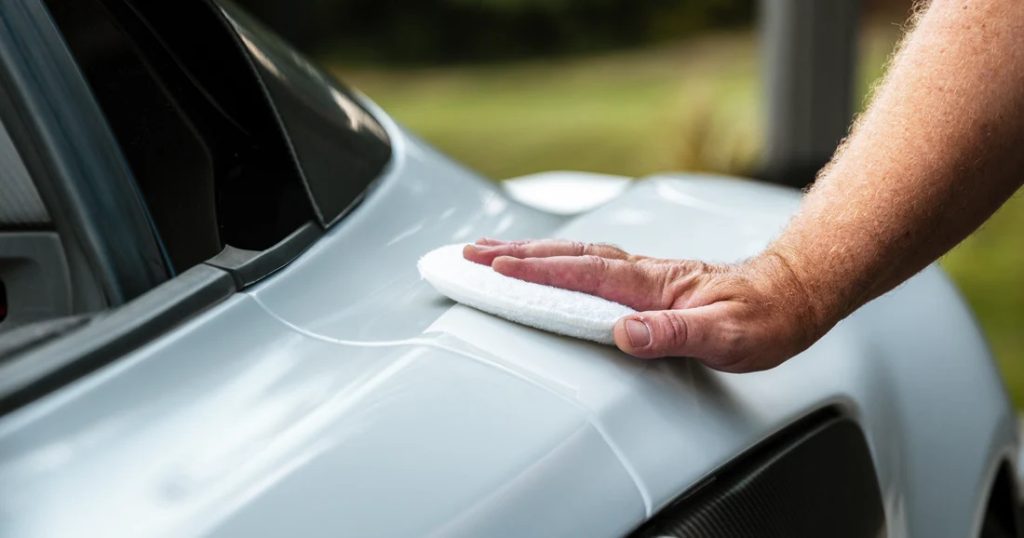
Make sure your automobile is in good condition before selling it privately. Both mechanical and cosmetic upkeep are required. Get a professional examination to find and solve mechanical concerns. Maintenance like changing oil, checking fluid levels, and repairing old components will enhance your car’s worth. Consider expert detailing since purchasers want clean, well-maintained cars. Your automobile will look new again after a complete inside and exterior cleaning. Gather all maintenance paperwork to show purchasers your car’s condition and comfort them. For that take your car to a Auto Repair in Springdale, OH for all tests.

Market Valuation Research

After preparing your automobile for sale, assess its market worth. Get an exact automobile valuation from Kelley Blue Book, Edmunds, and NADA Guides. These platforms let you enter your car’s make, model, year, mileage, and condition to receive a customized value. To find comparable price in your region, browse local listings for similar cars. A fair and competitive price is essential to avoid deterring consumers and losing money.

Effective Listing Creation

You need an engaging listing to attract buyers. Write a full description of your automobile, including its characteristics, upkeep, and improvements. Be upfront about its condition to generate buyer confidence. Take shots from the outside, inside, and beneath the hood to ensure quality. Good lighting and a clean background may highlight your automobile. To contact more people, use Craigslist, Facebook Marketplace, and car-selling websites. Your listing’s prominence increases your chances of finding a buyer.

Prospective Buyer Negotiation

Be ready to bargain when questions arrive. This approach requires patience and professionalism. Be upfront about your lowest offer since purchasers may bargain. Respond quickly to questions and provide test drives and inspections. Emphasize your car’s benefits and worth during discussions. Negotiate but stick to your minimal pricing. Remember to negotiate a mutually advantageous deal without jeopardizing your vehicle’s worth.

Finalizing Sale

After settling on a price, close the deal legally and securely. Write a bill of sale with the buyer and seller’s names, car information (VIN, make, model, year), selling price, and date. Both parties should sign this. Make sure the buyer has the finances before transferring title. To prevent fraud, accept cashier’s checks or bank transfers. Finally, inform your state’s DMV of the transaction and cancel the vehicle’s insurance. This removes your automobile liability after the sale.

Selling your automobile privately takes time and attention to detail, but these procedures might help you get the greatest price. You may sell a vehicle successfully and profitably with market research, a good listing, clever negotiating, and a secure selling procedure.