Archive

2025

Browsing

Your car speaks to you, not with words, but with sounds. Among the most common of these automotive utterances are the clicks and whirs emanating from the power locks. While often taken for granted, these noises offer a fascinating window into the workings of your car’s locking system. Understanding what these sounds mean can help you diagnose potential problems before they escalate into costly repairs. Typically, a healthy power lock system produces a crisp, decisive “click” or a short, smooth “whir” when engaging or disengaging. These sounds signify that the actuator, the small motor responsible for moving the locking mechanism, is functioning correctly. The regularity and volume of these sounds are key indicators of system health.

Silent Signals: When the Locks Go Quiet

Perhaps more telling than a loud malfunction is the eerie silence that can sometimes accompany a power lock failure. If pressing the lock button yields no sound whatsoever, the problem could lie in several areas. First, check the fuse box. A blown fuse is often the simplest and cheapest fix. If the fuse is intact, the issue might be a dead actuator. These motors are relatively inexpensive, but replacement requires some mechanical know-how. A more complicated scenario involves the wiring harness. A broken or corroded wire can disrupt the electrical signal to the actuator, rendering it useless.

The Grunt and Groan: Sounds of a Struggling System

When your power locks sound like they’re struggling, laboring with a slow, grinding noise, or emitting an extended “whirrr,” it’s a sign that something is impeding their smooth operation. This could indicate a partially seized actuator, struggling to overcome resistance. The resistance could be due to a build-up of dirt and debris within the locking mechanism itself, hindering free movement. In colder climates, ice formation can also create significant resistance. A thorough cleaning and lubrication of the locking mechanisms can sometimes remedy this issue. However, if the problem persists, the actuator itself may be nearing the end of its service life and require replacement.

The Erratic Ensemble: Unpredictable Locking Behavior

Another common symptom of a power lock malfunction is erratic behavior. This could manifest as intermittent locking, where the locks work sometimes but not others. Or perhaps they lock and unlock repeatedly, seemingly without reason. In many cases, this erraticism points to a weakened or failing actuator, unable to consistently perform its task. A faulty door switch, which signals the system to lock or unlock, can also be responsible. In such a case, the European Auto Repair in Liberty, MO based service is the best idea.

Seeking Professional Assistance: When to Call in the Experts

While basic troubleshooting, such as checking fuses and applying lubricant, can sometimes resolve simple power lock issues, more complex problems require the expertise of a qualified mechanic. If you’re uncomfortable working with electrical systems or if you’ve exhausted the simple fixes, it’s best to seek professional assistance. A mechanic can accurately diagnose the root cause of the problem using specialized tools and diagnostic equipment. They can also perform the necessary repairs or replacements safely and efficiently, ensuring that your power lock system returns to its reliable operation.

Power windows, a standard feature in most modern vehicles, offer convenience and ease. However, like any mechanical system, they require maintenance to function smoothly and reliably. Neglecting power window maintenance can lead to frustrating problems, such as slow operation, sticking windows, or complete failure. Addressing these issues proactively through preventative care can save you time, money, and the inconvenience of dealing with a malfunctioning window when you need it most. Regular maintenance ensures your windows operate smoothly, contributing to a comfortable and secure driving experience.

Lubrication: The Key to Smooth Operation

One of the most effective preventative measures is regular lubrication of the window components. Over time, dirt, dust, and debris can accumulate within the window tracks and mechanisms, causing friction and hindering smooth movement. Choosing the Auto Repair in Albany, OR based service is essential here. Applying a silicone-based lubricant to the window tracks, weather stripping, and regulator arms can significantly reduce friction and keep the windows operating smoothly. Avoid using oil-based lubricants, as they can attract more dirt and potentially damage the plastic components. A simple application of silicone spray lubricant every few months can make a noticeable difference in window performance.

Inspect Weather Stripping for Damage

Weather stripping is essential for creating a tight seal around your car windows, safeguarding against the intrusion of water and wind. When weather stripping is compromised, it can result in leaks, unsettling drafts, and elevated noise levels within the vehicle’s cabin. Routine inspections of weather stripping are vital to identify any cracks, tears, or general deterioration. Cleaning the weather stripping with a gentle soap and water mixture helps eliminate accumulated dirt and debris that can degrade its effectiveness. Swift replacement of damaged weather stripping is crucial to ensure a complete seal, protecting your car’s interior from the elements and maintaining a comfortable driving environment.

Check and Clean Window Tracks

Window tracks are the channels that guide the window up and down. Over time, dirt, leaves, and other debris can accumulate in the tracks, causing the window to bind or stick. Clean the window tracks regularly using a small brush or vacuum cleaner attachment to remove any debris. You can also use a damp cloth to wipe down the tracks and remove any stubborn dirt. Ensure the tracks are completely dry before operating the window. Cleaning the tracks prevents obstructions that can strain the window motor and cause premature wear.

Address Issues Promptly

Even with regular preventative maintenance, power windows may occasionally experience problems. If you notice any signs of trouble, such as slow operation, unusual noises, or sticking, address the issue promptly. Ignoring minor problems can lead to more significant and costly repairs down the road. Consult a qualified mechanic or auto repair technician to diagnose the problem and perform any necessary repairs or adjustments. Early intervention can often prevent a minor issue from escalating into a major problem, saving you time and money in the long run.


Sunroofs have evolved significantly from simple manual panels to sophisticated, feature-rich additions that dramatically enhance the driving experience. Modern car sunroofs offer a blend of natural light, fresh air, and technological advancements that make them a desirable option for many car buyers. Understanding these advanced features can help you appreciate the innovation behind them and make an informed decision when considering a sunroof for your next vehicle.

Panoramic Views and Enhanced Natural Light

One of the most striking advancements in modern sunroofs is the widespread adoption of panoramic designs. These expansive glass panels stretch across a significant portion of the roof, providing occupants with an unparalleled view of the sky and surrounding environment. Panoramic sunroofs flood the cabin with natural light, creating a more open and airy atmosphere, which can significantly reduce feelings of claustrophobia during long drives. Many panoramic sunroofs consist of two panels, with the front section often being operable, allowing for ventilation, while the rear panel remains fixed for structural integrity and safety. Choosing the best Asain Auto Repair in Simi Valley, Ca based service is essential here.

Automated Operation and Smart Controls

Gone are the days of manually cranking open a sunroof. Modern versions boast automated operation, allowing drivers to open and close the panel with a simple touch of a button. Many cars include pre-set positions, such as a “vent” mode that tilts the sunroof up slightly to allow air circulation without fully opening the panel. Integrated smart controls often link the sunroof to the car’s climate control system. For example, the sunroof might automatically close if rain is detected, or it could adjust its opening based on the intensity of sunlight to prevent excessive heat buildup inside the car.

Noise Reduction and UV Protection

Manufacturers have put considerable effort into minimizing noise intrusion that can come with having a large glass panel overhead. Advanced sealing techniques and thicker glass reduce wind noise, ensuring a quieter and more comfortable ride. Furthermore, modern sunroofs incorporate UV protection coatings that block harmful ultraviolet rays from the sun. These coatings prevent the fading of interior materials and protect occupants from sun damage, contributing to a healthier and more enjoyable driving experience.

Safety Features and Structural Integrity

While providing an expansive view, safety has always been a primary concern in sunroof design. Modern car sunroofs are engineered to maintain the structural integrity of the vehicle in the event of a collision. Tempered glass is used, which shatters into small, less dangerous pieces in case of impact. Additionally, anti-pinch technology is integrated into the closing mechanism, preventing injury if an obstruction is detected while the sunroof is closing.

Customization Options and Integration

Finally, modern car sunroofs often come with a range of customization options to suit individual preferences. Some manufacturers offer tinted glass to reduce glare, while others provide power sunshades that can be closed to block out light completely when desired. Beyond individual features, the integration of the sunroof into the overall vehicle design is seamless. The aerodynamic profile is carefully considered to minimize drag and wind noise, showcasing the commitment to blending form and function in modern automotive engineering.


Modern vehicles rely on increasingly complex electrical systems to power everything from headlights and windows to engine management and safety features. These systems are protected by an intricate network of fuses and relays working in tandem. While fuses directly prevent damage from overcurrent, relays act as electrically controlled switches, enabling low-current circuits to control high-current devices. Understanding the relationship between these components is crucial for diagnosing and maintaining your car’s electrical health. They both serve as vital components in a car’s electrical system, ensuring safe and efficient operation.

Fuses: The First Line of Defense

Fuses are designed to be sacrificial elements, breaking the circuit when the current exceeds a predetermined limit. This prevents damage to wiring, components, and potentially even fires. Each fuse is rated for a specific amperage, and it’s critical to replace a blown fuse with one of the same rating. Replacing a fuse with a higher amperage can lead to overheating and damage further down the line, defeating the safety mechanism. Fuses are typically located in fuse boxes, usually found under the dashboard, in the engine compartment, or sometimes in the trunk.

Relays: Amplifying Control and Protecting Switches

Relays are electromechanical switches used to control a higher-current circuit with a lower-current one. They work by using a small electrical current to energize an electromagnet, which then pulls a switch closed or open. This enables low-current switches, like those on your dashboard, to safely control high-current devices like headlights, fuel pumps, or air conditioning compressors. Without relays, these high-current circuits would require extremely heavy-duty switches and wiring, making them impractical and potentially unsafe.

The Crucial Connection: Working Together

The relationship between fuses and relays is one of collaboration. The relay controls the power flow to a specific component, while the fuse protects the entire circuit, including the relay itself and the component it controls. For example, a headlight circuit might have a relay that’s activated when you turn on the headlight switch. This relay then closes, allowing power to flow to the headlights. If the wiring leading to the headlights develops a short circuit, the fuse in that circuit will blow, protecting the relay and the rest of the electrical system from damage. In this way, the fuse acts as a backup to the relay, preventing a minor problem from escalating into a major one. Going for the Auto Repair in Sugar Land, TX  based service is most essential here.

Troubleshooting and Maintenance: Identifying the Issue

When an electrical component malfunctions, it’s essential to check both the fuse and the relay associated with that component. A blown fuse indicates an overcurrent situation, which could be caused by a short circuit in the wiring, a faulty component, or an overloaded circuit. A malfunctioning relay can prevent the component from working, even if the fuse is intact. Testing a relay typically involves checking for continuity across the coil terminals and verifying that the switch contacts close when the coil is energized. Replacing a blown fuse with the correct amperage is the initial step, but if the fuse blows again, further investigation is necessary to identify the underlying cause.


Winter driving presents unique challenges, and one common frustration is a struggling wiper motor. When your wipers move sluggishly or fail to clear the windshield effectively in cold weather, it’s not just an inconvenience; it can be a safety hazard. Several factors contribute to this issue, all stemming from the impact of low temperatures on the components of your car. Understanding these reasons can help you take preventive measures and keep your wipers functioning optimally throughout the winter months.

Thickened Wiper Fluid and Ice Buildup

The most immediate issue in cold weather is the increased viscosity of wiper fluid. Standard wiper fluid can thicken significantly as temperatures drop, making it harder for the pump to push the fluid through the lines and onto the windshield. This reduced flow can lead to incomplete cleaning and streaking, putting extra strain on the wiper motor. Additionally, ice and snow buildup on the windshield and wiper blades create added resistance. The motor must work harder to overcome this friction, potentially leading to slow movement or even stalling.

Motor Lubrication and Battery Performance

The internal lubrication of the wiper motor itself can also be affected by cold temperatures. Grease and other lubricants become thicker in the cold, increasing friction within the motor’s moving parts. This added resistance requires more power to operate the motor at its usual speed. Furthermore, cold weather reduces battery performance. Car batteries struggle to deliver sufficient current in low temperatures. A weaker battery can mean the wiper motor isn’t receiving the power it needs to operate effectively, especially when combined with the increased resistance from thickened fluids and ice buildup. For making sure of the proper maintenance, using the Auto Repair in Chesapeake, VA based service would be essential.

Wiper Blade Condition and Linkage Issues

The condition of your wiper blades themselves plays a significant role. Old, worn, or cracked blades are less effective at clearing the windshield, regardless of the weather. In winter, the problem is compounded as the brittle rubber struggles to maintain contact with the glass in the cold, causing streaks and inefficiency. Additionally, the wiper linkage, which connects the motor to the blades, can become stiff or corroded over time. Cold weather can exacerbate these issues, making it harder for the motor to move the blades smoothly and efficiently.

Preventative Measures for Optimal Winter Wiper Performance

To combat these issues, there are several steps you can take. Firstly, use a winter-specific wiper fluid that’s formulated to remain fluid even in sub-freezing temperatures. This will ensure proper fluid flow and cleaning. Secondly, regularly clear ice and snow from your windshield and wiper blades before starting the car. This reduces the initial strain on the wiper motor. You should also ensure your car battery is in good condition. A battery test can determine its cold-cranking amps and overall health. Finally, consider replacing your wiper blades with winter-specific blades that are designed to resist ice buildup and maintain flexibility in cold conditions. Periodically lubricating the wiper linkage can also help ensure smooth operation.

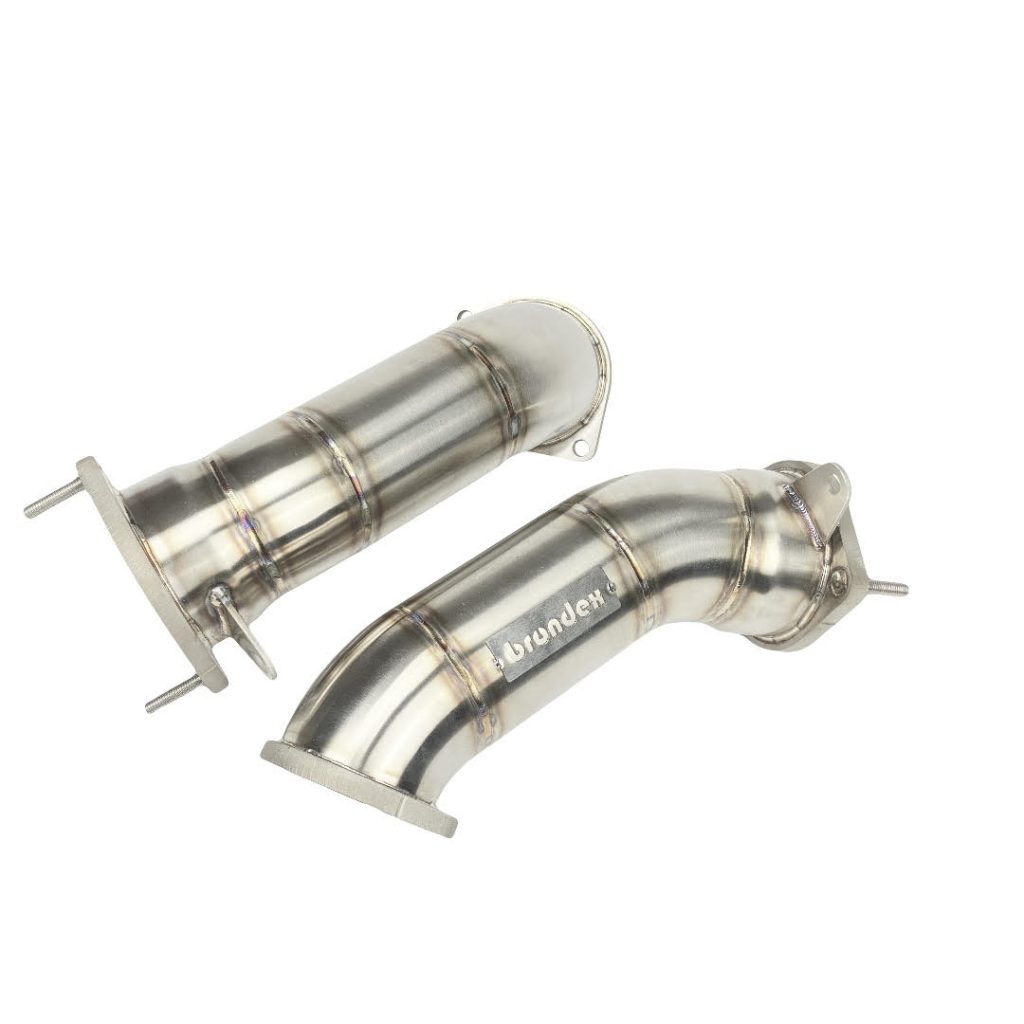
The BMW M5 G90 is synonymous with luxury, power, and precision engineering. However, even the most advanced machines have room for performance upgrades. One modification gaining traction among enthusiasts is the installation of performance downpipes. Here’s why upgrading your m5 g90 downpipe can make a significant difference:

Enhanced Engine Breathing:

High-performance downpipes optimize exhaust flow by reducing back pressure. This allows the engine to “breathe” better, resulting in quicker throttle response and a noticeable boost in power output.

Increased Horsepower and Torque:

By improving exhaust efficiency, these downpipes can free up extra horsepower and torque. Drivers may experience sharper acceleration, making the M5 even more thrilling on the road or track.

Improved Sound Dynamics:

Performance downpipes often provide a deeper, more aggressive exhaust note. This auditory upgrade not only enhances the driving experience but also reflects the vehicle’s enhanced performance capabilities.

Customization and Compatibility:

Aftermarket options are available for the BMW M5 G90, allowing owners to select downpipes that match their specific performance goals. Whether you’re seeking more power for everyday driving or gearing up for competitive racing, there’s a solution that fits your needs.

Installation Considerations:

While the benefits are clear, installation should be handled by professionals. Proper tuning is crucial to ensure that the engine operates within safe parameters and that the vehicle complies with emissions regulations.

In summary, upgrading to a high-performance downpipe can transform your BMW M5 G90, enhancing its power delivery, sound, and overall driving dynamics. Whether you’re a seasoned car enthusiast or new to the world of performance tuning, exploring downpipe options could be your next step towards an even more exhilarating driving experience.

The “Buy Here Pay Here” (BHPH) model has revolutionized the auto sales landscape, offering flexible financing options for customers who might not qualify for traditional loans. This approach not only opens up the market to a broader range of buyers but also creates a unique business opportunity for auto dealers. In this article, we’ll explore the essentials of launching a BHPH dealership, delve into best practices for managing customer relationships, and outline strategies to ensure profitability and long-term success.

Understanding the Buy Here Pay Here Model

The BHPH model allows dealerships to serve customers with limited or no credit history by providing in-house financing. Instead of relying on third-party lenders, dealers take on the responsibility of assessing risk, setting interest rates, and managing collections. This system offers several benefits:

  • Increased Market Reach: Tap into a segment of the market that traditional financing might overlook.
  • Enhanced Profit Margins: By financing directly, dealers can earn income from both vehicle sales and interest on loans.
  • Customer Retention: A flexible payment structure can build trust and loyalty, encouraging repeat business.

Key Steps to Launching Your BHPH Dealership

1. Business Planning and Licensing

Before launching, create a detailed business plan that covers:

  • Market Research: Understand your local market demographics, demand for used vehicles, and competition.
  • Legal Requirements: Secure the necessary licenses and permits, and ensure compliance with state and federal regulations.
  • Financial Projections: Outline startup costs, operating expenses, and revenue forecasts.

2. Inventory Acquisition and Management

Choosing the right vehicles is critical. Focus on:

  • Reliable, Affordable Models: Cars that are low-cost to maintain and have a history of durability.
  • Pre-Purchase Inspections: Minimize risks by thoroughly inspecting each vehicle.
  • Diverse Options: Offer a range of vehicles to cater to various customer needs and budgets.

3. Financing Strategies and Risk Management

Develop a robust in-house financing program by:

  • Credit Evaluation: Implement a streamlined process for assessing customer creditworthiness, even for those with poor or limited credit histories.
  • Flexible Payment Plans: Design payment structures that balance affordability for customers with profitability for the dealership.
  • Default Mitigation: Establish clear policies for late payments and defaults, including repossession procedures.

4. Customer Service and Relationship Building

Exceptional customer service can differentiate your dealership:

  • Transparent Communication: Clearly explain financing terms, interest rates, and payment expectations.
  • After-Sale Support: Offer maintenance advice and support to build long-term relationships.
  • Feedback Systems: Regularly gather customer feedback to improve services and operations.

Strategies for Growth and Long-Term Success

Marketing Your BHPH Dealership

  • Local Advertising: Utilize local newspapers, radio, and community events to raise awareness.
  • Digital Presence: Build an engaging website and leverage social media platforms to connect with potential customers.
  • Referral Programs: Encourage satisfied customers to refer friends and family by offering incentives.

Operational Efficiency

  • Technology Integration: Use dealership management software to streamline operations, from inventory tracking to payment processing.
  • Staff Training: Invest in ongoing training for your team to ensure they understand both vehicle mechanics and customer service excellence.
  • Performance Metrics: Regularly review sales performance, loan repayment rates, and customer satisfaction to adjust strategies as needed.

Navigating Regulatory Challenges

Stay informed about changing regulations that impact the BHPH industry:

  • Compliance: Ensure all financing practices adhere to local, state, and federal laws.
  • Risk Assessment: Regularly update risk management practices to account for economic shifts and industry trends.
  • Legal Consultation: Maintain a relationship with legal professionals specializing in auto financing to proactively address any issues.

Starting a Buy Here Pay Here dealership can be a lucrative venture if approached with careful planning, robust risk management, and a commitment to exceptional customer service. By understanding the unique dynamics of the BHPH model and implementing best practices, auto dealers can unlock new opportunities and drive sustained business growth. Whether you’re just entering the market or looking to expand your existing operations, the key to success lies in balancing financial acumen with a customer-centric approach. Embrace the challenge, and you could transform potential obstacles into a pathway for success in the competitive world of auto sales.

Modern cars’ handy power door locks let drivers simply lock and open doors with the press of a button. Like any mechanical system, power locks are prone to wear and tear, however, which over time could cause issues. This page will discuss some typical power lock problems resulting from wear and tear and their solutions.

Problems Locking or Unlocking Doors

Difficult locking or unlocking doors is one of the most often occurring power lock issues brought on by wear and tear. A worn-out actuator, a faulty door latch, or a filthy or damaged lock cylinder might all be causes of this depending on the situation. Starting with a suggested cleaner or lubricant, first clean the lock cylinder to solve this problem. Should this fail, you may have to replace the door lock or actuator. Sometimes the problem might be a blown fuse or a failing control module, which will also call for replacement.

Actuator Failure in Power Lock

Moving the locking mechanism in response to electrical signals from the control module is accomplished by the power lock actuator. The actuator might wear out over time and cause failure. The power lock mechanism may therefore make it impossible to lock or unlock doors. Test actuator continuity on a multimeter to identify actuator failure. Should the actuator prove defective, it will have to be replaced. Replacing actuators in pairs is advised to guarantee constant performance.

 Broken Door Latching

Additionally causing power lock issues is a broken door latch. Should the latch be broken or worn out, it could not engage correctly with the striker plate, therefore prohibiting lock or unlocking of the door. Examine the latch mechanism for damage or wear to determine if a door latch is broken. Should the latch suffer damage, it will have to be replaced. Replacing door latches in pairs is advised to guarantee consistent performance.

Broken or Filthy Lock Cylinder

Additionally causing power lock issues is a filthy or defective lock cylinder. Dirt and trash may build up in the cylinder over time, which would prevent the locking mechanism from moving. The cylinder may also wear or break, which would make opening or locking the door difficult.

Preventive Exercises

Regular preventative maintenance helps to avoid power lock issues brought on by wear and tear. This covers lubricating and cleaning the lock cylinder, looking for wear or damage on the actuator and door latch, and substituting any worn-out or damaged parts as required. If problems persist, seeking Auto Repair in Hutto, TX can ensure expert diagnosis and reliable solutions.

Conclusion

Ultimately, while they may be annoying, wear and tear-induced power lock issues are often simple to find and fix. Your power door locks should run dependably for years to come by frequent preventative maintenance and quick resolution of problems.


Power windows, once a symbol of automotive luxury, are now a standard feature in most vehicles. They offer convenience and ease of use, allowing drivers and passengers to control airflow and visibility with the touch of a button. However, when these systems fail, they can compromise the security of your vehicle, leaving it vulnerable to theft, vandalism, and environmental damage. A stuck-open power window can become an open invitation for anyone to access the car’s interior, potentially leading to the loss of valuable belongings or even the vehicle itself. Beyond theft, consider the potential for weather damage.

Impact on Vehicle Security: An Open Invitation

The most immediate consequence of a power window failure, especially in the open position, is the significant compromise of vehicle security. A fully or partially open window provides easy access to the car’s interior. This can entice thieves to target your vehicle, knowing they can quickly enter and search for valuables such as wallets, electronics, or even the car itself. Even if nothing of value is visible, the open window can be an invitation for vandalism or more serious crimes like car theft. The cost of replacing stolen items or repairing damage from vandalism can quickly add up, making power window failure a costly inconvenience. There comes the use of the Auto Repair in Auburn, WA based service.

Environmental Damage: A Constant Threat

A stuck-open window also leaves your vehicle vulnerable to environmental damage. Rain, snow, and wind can easily enter the car, soaking upholstery, damaging electronic components, and potentially leading to mold growth. Prolonged exposure to sunlight can fade interior fabrics and crack dashboards. Furthermore, the accumulation of leaves, debris, or even small animals can create unsanitary conditions inside your vehicle. These environmental factors not only decrease the value of your car but can also pose health risks to occupants.

Addressing Power Window Failure: Quick Fixes & Professional Help

When faced with a malfunctioning power window, it’s essential to address the issue promptly. If the window is stuck closed, you may be able to temporarily secure it with duct tape or cardboard to prevent further damage. However, if the window is stuck open, you should consider taking immediate action. While DIY solutions like manually forcing the window shut or checking the fuse box might offer temporary relief, they are often inadequate and may even exacerbate the problem. A faulty regulator, motor, or switch usually requires professional diagnosis and repair.

Preventative Measures: Maintaining Your Power Windows

To minimize the risk of power window failure compromising your vehicle’s security, preventative maintenance is vital. Regularly inspect your power windows for unusual noises, slow operation, or uneven movement. Lubricate window tracks with silicone spray to reduce friction and wear. Avoid forcing windows open or closed if they are experiencing resistance. By taking these simple steps, you can prolong the life of your power window system and ensure your vehicle remains secure from potential threats. In addition, schedule regular vehicle maintenance checks that include inspection of window mechanisms.


Sunroof technology has evolved far beyond the basic small, manually operated openings of the past. Today’s sunroofs offer panoramic views, transforming the in-car experience by flooding the cabin with natural light. Panoramic sunroofs, spanning nearly the entire roof area, create an open and airy feel, connecting passengers to the outside world. This enhanced natural lighting not only improves visibility but also contributes to a more positive and uplifting atmosphere within the vehicle. The psychological benefits of increased natural light are well-documented, and incorporating this element into car design is proving to be a popular and desirable feature for modern drivers. These innovations are not just about aesthetics; they also contribute to a feeling of spaciousness, making even compact vehicles feel more luxurious and comfortable.

Smart Sunroofs: Automated Comfort and Control

The integration of smart technology is revolutionizing the way sunroofs operate. Smart sunroofs are equipped with sensors that can automatically adjust the tint and opening based on weather conditions and passenger preferences. For example, if the sunlight becomes too intense, the sunroof can dim automatically to reduce glare and heat. Advanced systems can even learn driver preferences over time, adjusting the sunroof settings accordingly. Voice control integration allows drivers to operate the sunroof hands-free, enhancing safety and convenience.

Solar-Powered Sunroofs: Sustainable and Energy-Efficient

The pursuit of sustainable automotive solutions has spurred the development of solar-powered sunroofs. These innovative systems utilize solar panels integrated into the sunroof glass to harness solar energy, which can be used to power various vehicle functions, such as air conditioning or infotainment systems. This reduces the strain on the vehicle’s main battery, improving fuel efficiency and lowering emissions. While still in its early stages of development, solar-powered sunroof technology shows great promise for contributing to a more eco-friendly automotive future. Going for Auto Repair in Boulder, CO  based service is essential here.

Dynamic Glass Technology: Adaptive and Versatile

Dynamic glass technology represents a cutting-edge advancement in sunroof design. This technology allows the sunroof glass to change its opacity on demand, providing drivers with complete control over the amount of light entering the vehicle. Using electrochromic or suspended particle device (SPD) film, the glass can transition from transparent to opaque in a matter of seconds. This adaptive capability allows for customized shading and glare reduction, enhancing comfort and safety. Dynamic glass also offers thermal insulation properties, helping to regulate the cabin temperature and reduce the need for air conditioning.

Future Trends: Immersive and Interactive Experiences

Looking ahead, sunroof technology is poised to become even more sophisticated and integrated into the overall in-car experience. Imagine sunroofs that display augmented reality information, providing real-time data about points of interest along the route. Interactive sunroof surfaces could allow passengers to control various vehicle functions with gestures, creating a seamless and intuitive interface. As autonomous driving technology advances, sunroofs could even transform into entertainment screens, offering passengers immersive viewing experiences during their journeys. The future of sunroof technology is bright, promising to redefine the way we interact with our vehicles and the world around us.