
Archive

2025

Browsing

Your car’s AC delivers weak airflow. This problem frustrates many drivers. Hot weather makes trips difficult. Several issues cause this trouble. Reduced air circulation signals trouble. You need prompt investigation. Addressing the cause restores comfort. Ignoring issues leads to bigger repairs. A well-functioning AC is essential. We examine common culprits today. Compressor problems often contribute. This vital component needs power. Proper function ensures strong cooling. Weak airflow reduces cabin comfort. Diagnostics pinpoint the exact problem. Get your system checked quickly. Keep your car cool efficiently. Enjoy every drive fully. This guide offers insights. We help you find solutions. Quick action saves extensive repairs.

Check Basic Obstructions

First check cabin air filters. Dirty filters block much air. Air cannot pass through freely. Weak flow then happens easily. Replace filters regularly now. Inspect all dashboard vents. Vents sometimes get blocked. Debris collects in passages. Clear any visible obstructions. Leaves and twigs accumulate. This simple check helps greatly. It often resolves minor issues. You can do this at home. Always maintain filter cleanliness. Strong flow needs clear pathways. Poor maintenance causes problems. Neglect affects entire system. Seek professional help for blockages. Dirt build-up reduces system lifespan. Visit Bird Automotive for filter service. They ensure clear ventilation. Proper flow provides cool air.

Refrigerant Levels and Leaks

Low refrigerant impacts AC power, making professional Auto AC Repair in Oak Grove, MO essential for maintaining system performance. This vital gas cools cabin air. Weak airflow often results directly. Leaks allow refrigerant escape. Small cracks develop over time. Seals also wear down easily. Finding leaks needs special tools. A professional can detect them. Low refrigerant cannot cool fully. The AC system then struggles. Compressors work harder pointlessly. This wastes energy daily. Performance declines noticeably. A recharge may be needed soon. Fix leaks before recharging. This prevents repeat problems. Bird Automotive diagnoses leaks precisely. They restore proper refrigerant levels. Your AC cools strongly.

Blower Motor and Electrical Faults

The blower motor pushes air. A faulty motor runs slowly. This causes weak airflow directly. Its function is very crucial. Electrical problems affect operation. Fuses can blow unexpectedly. Wiring corrodes over time. Resistors often fail too. These components control fan speed. A worn motor makes noise. It may stop working entirely. Testing involves voltage checks. Diagnosing electrical faults is complex. An expert can find the issue. Replacement motor installation is common. Ensure all connections remain secure.

Conclusion

The AC compressor is the core. It circulates refrigerant powerfully. Proper system pressure is crucial. A faulty compressor struggles greatly. It cannot move enough cooling gas. This reduces cooling power drastically. Airflow feels very weak always. Internal compressor parts wear down. Do not ignore these issues. Prompt attention saves parts from further damage. Regular checks prevent sudden failures. Bird Automotive offers expert advice. They restore AC functionality. Trust their experienced technicians.


A wedding day is built on moments. From the first photos to the final send-off, every detail helps shape how the day feels. One detail that many couples forget until the last minute is transportation. But the right wedding car service can set the tone for the entire ceremony. It helps the day feel calm, organized, and special from the very start.

A Calm Arrival Creates Confidence

The ceremony starts long before you walk down the aisle. It starts when you step into the car. If transportation is late, crowded, or stressful, it can raise your nerves fast. A professional wedding car service helps you arrive on time and with a clear plan. That calm arrival gives you breathing room. It lets you focus on the moment instead of worrying about traffic, parking, or delays.

When the bride, groom, and bridal party arrive smoothly, the whole event feels more controlled and polished.

Timing Matters for Photos and the Ceremony

Wedding schedules are tight. Hair and makeup run late, photos take longer than expected, and venues often have strict start times. A reliable car service helps protect the schedule. Your driver plans routes, avoids traffic when possible, and keeps pickups and drop-offs simple.

This also helps the photographer. When transportation runs smoothly, the photo timeline stays on track. That means fewer rushed shots and more time for the moments you want to remember.

Style Sets the Mood

The car you arrive in sends a message. A luxury vehicle adds a sense of importance and excitement. It can make a grand entrance feel even more special. Guests notice it, and it can raise the energy right before the ceremony begins.

It also adds to your wedding photos. A clean, premium car looks great in pictures and helps your day feel more high-end and complete.

Comfort Helps You Stay Present

Wedding outfits can be uncomfortable. Dresses, suits, heels, and accessories can make even a short drive feel like a struggle. A quality wedding car service gives you space, cool air, and a smooth ride. That comfort matters, especially in warm weather. It helps you arrive looking fresh and feeling ready.

A quiet, private ride can also give you a few minutes to relax and reset before the big moment.

Less Stress for You and Your Guests

Transportation problems can affect everyone. If family members get lost or arrive late, it can delay the ceremony. A planned car service helps reduce that risk. It keeps key people where they need to be, when they need to be there.

When guests see that everything runs smoothly, the whole ceremony feels more organized and elegant.

Book Wedding Car Service with Energetic Exotics

The right wedding car service is not just about getting from point A to point B. It supports your schedule, adds style, and helps you feel calm and confident before the ceremony begins. If you want wedding transportation that is smooth, polished, and reliable, get the service from Energetic Exotics. We provide premium vehicles and professional support, so we can help set the perfect tone for your ceremony from the first pickup to the final arrival.

This post was written by a professional at Energetic Exotics. Energetic Exotics brings the thrill of luxury driving to Central and South Florida, offering an elite selection of exotic and high-end vehicles. From the vibrant streets of Miami to the scenic drives of Tampa Bay, our fleet includes prestigious brands like Lamborghini, Bentley, and Ferrari, ensuring an unparalleled driving experience. More than just transportation, renting an exotic car enhances every moment—whether arriving by private jet, staying in a waterfront mansion, or cruising past iconic cityscapes. Elevate your journey with style, power, and sophistication. Whether for business, leisure, or celebration, make every drive extraordinary with Energetic Exotics.

Misaligned car windows seem like very small issues. They are actually a significant mechanical concern. The precise fit of glass matters greatly to the vehicle. Proper window alignment ensures peak performance standards. It also guarantees maximum safety for occupants. A slight mechanical defect affects the whole vehicle system. Window regulators must function perfectly every time. Owners sometimes ignore these small faults easily. These minor faults inevitably grow into bigger problems. Ignoring necessary repairs proves extremely costly later. A Auto Repair in Thornton, CO based service like Mountain View Automotive understands these complex dynamics well. Professionals fix these precise faults immediately for drivers. Window alignment is necessary preventative maintenance work. This proactive measure prevents future widespread damage easily. A well-sealed window is critical for vehicle health.

The Impact on Aerodynamics and Fuel Efficiency

Windows help create a smooth aerodynamic surface curve. Air flows efficiently over the car exterior. Misalignment introduces serious disruptive drag. This gap disrupts the smooth airflow pattern severely. Disruption dramatically increases aerodynamic resistance. The vehicle engine must work much harder constantly. Fuel efficiency subsequently drops noticeably quickly. High speed handling stability suffers greatly from drag. The car feels less controlled stable. Drivers notice strong pulling forces sometimes. Proper sealing fully restores the intended vehicle design. Window alignment saves significant fuel dollars annually. It maintains peak vehicle handling characteristics precisely. This keeps the car quiet and efficient easily.

Noise Reduction and Cabin Comfort Levels

Cabin quietness depends entirely on proper seals. Good window seals block outside ambient noise. Misaligned windows break this essential seal function. Tiny imperceptible gaps allow air to ingress deeply. Air rushing past causes very loud distressing noise. This sound is commonly called wind whistle. Constant annoying whistling greatly distracts drivers quickly. Driver fatigue increases resulting from the noise. This diminishes driver focus capacity greatly. A quiet ride significantly improves overall comfort levels. Alignment restores the perfect acoustic barrier needed. Enjoying music or conversation becomes much easier. The entire driving experience feels more premium.

Security Vulnerabilities and Water Damage Risks

Misaligned windows create serious security risks immediately. A weak window seal is easily exploited by thieves. Intruders can gain unauthorized access simplified. The window seal acts as a crucial defensive barrier. Damage compromises this critical primary defense layer. Poor alignment also invites catastrophic water damage inside. Water can ruin sophisticated door panel electronics quickly. Power window motors face severe corrosion risk. Electrical systems may entirely malfunction without warning. Repairing water intrusion damage costs thousands of dollars. Security systems may entirely fail at critical moments. Mountain View Automotive checks all window seals routinely. Mountain View Automotive fixes leaks quickly reliably for clients. Protect your substantial investment rigorously now. Window integrity is vehicle security integrity. Trust Mountain View Automotive expertise today.

Managing a fleet of commercial vehicles comes with a unique set of challenges. From delivery vans and trucks to service vehicles, downtime can lead to missed deadlines, dissatisfied clients, and increased operational costs. Efficient maintenance and repair solutions are critical to keeping a fleet on the road. Mobile repair services have emerged as a practical and cost-effective option for fleet operators, providing convenience, rapid response, and minimizing disruption to daily operations.

The Importance of Timely Vehicle Maintenance in Fleet Management

In commercial operations, time is money. Even minor vehicle issues can escalate into major problems if not addressed promptly. Regular maintenance, including oil changes, brake inspections, and battery checks—prevents breakdowns that could halt business operations. By integrating mobile repair solutions, fleet managers can ensure timely interventions without removing vehicles from service for extended periods. Searching for mobile mechanic near me allows fleet operators to identify local providers who can deliver immediate on-site support.

Minimizing Downtime Through On-Site Repairs

Traditional workshop visits can be time-consuming for fleets. Scheduling, transportation to a service center, and waiting for repairs can lead to significant productivity losses. Mobile mechanics bring tools, diagnostic equipment, and expertise directly into the vehicle’s location. On-site repairs reduce downtime, allowing vehicles to return to service quickly. This is especially beneficial for urban fleets navigating congested routes, where towing to a shop may be inefficient or impractical.

Cost Efficiency for Commercial Operations

Fleet management involves careful budgeting, and repair costs are a major consideration. Mobile repair services help control expenses by reducing towing fees, lost labor hours, and the indirect costs associated with vehicle downtime. Additionally, many mobile mechanics offer competitive pricing compared to traditional workshops. Proactive repairs conducted by mobile technicians prevent minor issues from developing into major repairs, saving fleets significant amounts over time.

Fleet Reliability and Safety

For commercial operations, reliability is non-negotiable. Delayed repairs or neglected maintenance can compromise vehicle safety, putting drivers, cargo, and other road users at risk. Mobile repair services provide immediate diagnostics and preventive maintenance checks, ensuring that vehicles remain in optimal working condition. By addressing issues as they arise, fleet operators enhance both operational reliability and workplace safety.

Flexibility for Diverse Fleet Needs

Commercial fleets often consist of vehicles with varied maintenance requirements, from light-duty vans to heavy-duty trucks. Mobile mechanics are equipped to handle a wide range of vehicles, performing services such as battery replacement, brake adjustments, fluid top-ups, and minor engine repairs. This adaptability ensures that all fleet vehicles, regardless of type, receive timely care without needing separate service arrangements.

Supporting Urban and Remote Operations

Fleets operate in diverse environments, including city streets, industrial zones, and remote locations. Mobile mechanics extend fleet support beyond the constraints of traditional workshops. For operations in urban centers, quick on-site repairs prevent traffic disruptions and lost delivery time. In remote or off-site locations, mobile repair ensures vehicles remain operational without long delays, which is crucial for service reliability and client satisfaction.

Strategic Fleet Management with Mobile Services

Integrating mobile repair into a fleet management strategy offers more than convenience. It enables proactive maintenance scheduling, real-time repair updates, and better resource allocation. Fleet managers can prioritize vehicles that require urgent attention while maintaining overall operational efficiency. Using mobile services as part of a fleet strategy also allows managers to respond quickly to unforeseen breakdowns, keeping schedules on track and maintaining customer trust.

For commercial vehicle operators, downtime equals lost revenue, reduced efficiency, and increased stress. Mobile repair services provide a flexible, cost-effective, and reliable solution for fleet management. By leveraging the expertise of a mobile mechanic near me, fleet managers can ensure vehicles remain operational, safe, and cost-efficient. In today’s competitive commercial landscape, mobile vehicle repair is not just convenient, it is an essential tool for effective fleet and commercial vehicle management.

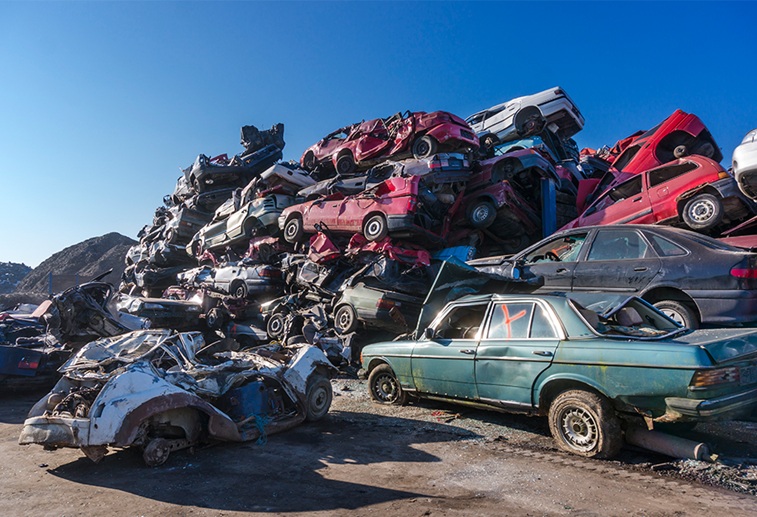
When the time comes to retire your ageing vehicle, understanding the process of disposing a scrap car Singapore offers can mean the difference between losing money and securing a fair return on what remains of your automotive investment. The island nation’s approach to vehicle disposal reflects a broader philosophy about urban planning, environmental stewardship, and the perpetual challenge of managing limited space in one of the world’s most densely populated territories.

The Peculiar Economics of Singapore’s Vehicle Lifecycle

Singapore’s relationship with motor vehicles has always been complicated. The Certificate of Entitlement system, a mechanism that would seem fantastical in most other nations, creates a unique economic environment where cars function less as depreciating assets and more as temporary licenses to occupy road space. When your vehicle reaches the end of its COE period, typically ten years, you face a decision that hinges on mathematics as much as sentiment.

The scrap car singapore market operates within this distinctive framework. Your vehicle’s scrap value isn’t merely about the weight of metal and the functionality of parts; it’s entangled with rebates, registration fees, and a regulatory architecture designed to keep Singapore’s roads from transforming into a gridlocked car park. The Preferential Additional Registration Fee (PARF) rebate, available for vehicles less than ten years old, can represent a substantial portion of your vehicle’s end-of-life value. According to the Land Transport Authority, “The PARF rebate is computed based on the original ARF paid, the age of the vehicle, and the applicable PARF rebate percentage.”

Understanding What Determines Your Vehicle’s Worth

Several factors converge to establish the value of a scrap car singapore dealers will offer:

• Vehicle age

Cars under ten years old qualify for PARF rebates, whilst older vehicles receive a flat COE rebate

• Original ARF paid

The Additional Registration Fee you paid at purchase directly influences your PARF entitlement

• Physical condition

Though less significant than regulatory rebates, the state of salvageable parts matters

• Market timing

Scrap metal prices fluctuate, affecting the base value beyond statutory rebates

• Administrative completeness

Proper documentation and clear ownership increase processing efficiency

The distinction between PARF and COE rebates represents a curious form of temporal discrimination in value. A nine-year-old vehicle commands considerably more in scrap value than one that has crossed the ten-year threshold, despite potentially minimal differences in actual condition or utility.

The Mechanics of the Scrapping Process

Disposing of a scrap car singapore regulations require involves a surprisingly bureaucratic choreography. The process begins with deregistration, a necessary administrative death certificate for your vehicle. You cannot simply abandon a car or sell it for parts without navigating the official channels. The system demands accountability for every registered vehicle, tracking its journey from showroom to scrapyard.

The Land Transport Authority mandates that vehicles must be scrapped at approved facilities. These authorized dealers handle the physical dismantling whilst simultaneously processing the paperwork that releases you from further liability. As the LTA notes, “Vehicle owners must ensure their vehicles are scrapped at LTA-approved scrap yards to qualify for rebates.”

What happens during the actual scrapping reveals something about modern resource recovery. Your vehicle undergoes systematic dismantling: fluids are drained and disposed of according to environmental protocols, reusable parts are catalogued and removed, and the remaining shell is crushed and processed for metal recovery. Singapore’s limited land area makes efficient recycling not merely environmentally conscious but economically essential.

Maximizing Returns in a Regulated Market

The scrap car singapore industry presents limited room for negotiation compared to typical secondhand markets, precisely because statutory rebates form the majority of value. However, opportunities for optimization exist. Timing your scrapping to coincide with higher scrap metal prices can marginally improve returns. Ensuring all documentation is accurate and complete prevents delays that might push you past beneficial deadlines.

Some vehicle owners contemplate extending their COE instead of scrapping, paying for another five or ten years of registration. This decision requires calculating whether the COE renewal cost, combined with the vehicle’s diminishing reliability and increasing maintenance expenses, justifies postponing the inevitable. For most older vehicles, the mathematics favour scrapping.

The Environmental Calculus

Singapore’s scrapping system embodies an attempt to balance competing interests: the desire for newer, more efficient vehicles against the resource intensity of constant replacement. The ten-year lifecycle encourages fleet modernization, theoretically reducing emissions as older, less efficient engines leave the roads. Yet this also means perfectly functional vehicles are scrapped not because they’ve failed mechanically but because they’ve exceeded an arbitrary temporal boundary.

The question of whether this promotes genuine sustainability or merely shifts environmental costs elsewhere, to manufacturing centres producing replacement vehicles, remains worth pondering. Each scrap car Singapore processes represents both waste recovered and resources consumed in its inevitable replacement. The system operates with mechanical efficiency, converting ageing vehicles into rebates and raw materials, yet the underlying tension between economic pragmatism and environmental consequence persists in every transaction involving a scrap car singapore.

Owning a classic truck is about more than nostalgia—it’s about building something that feels uniquely yours. But once you’ve found the right truck, the real fun (and investment) begins: upgrades. From safety and drivability to comfort and style, the right upgrades can transform an old workhorse into a reliable, head-turning weekend cruiser or even a daily driver.

The challenge? Quality parts and professional labor add up fast. That’s where smart financing can help you spread out costs without cutting corners. Here are eight classic truck upgrades that are much easier to afford when you think strategically about how you finance your build.

1. Engine Upgrades or Swap

Whether you’re rebuilding the original engine or swapping in a modern powerplant, this is one of the biggest tickets in the classic truck world—and one of the most rewarding.

Popular options include:

  • Rebuilding the original engine to keep things period-correct

  • Upgrading carburetion or fuel injection for reliability and performance

  • Swapping in a modern crate engine with better power and efficiency

These projects can easily run into the five-figure range once you factor in parts, machining, and labor. Instead of compromising with a halfway build, smart financing can allow you to do the job right the first time, with quality components and a trusted shop.

2. Modern Braking System

Many classic trucks were built in an era when drum brakes and long stopping distances were normal. On today’s roads, that’s not ideal—especially if you plan to drive your truck regularly.

Key upgrades include:

  • Front and rear disc brake conversions

  • Power brake boosters and modern master cylinders

  • Stainless brake lines and high-quality pads/rotors

Braking is a safety upgrade that dramatically improves your confidence behind the wheel. It’s one of those areas where cutting costs can have real consequences. Financing can help you invest in a complete, properly engineered system instead of piecemeal fixes.

3. Suspension and Steering Improvements

Classic trucks often ride like… well, trucks. Leaf springs, worn shocks, and vague steering can make long drives tiring and less enjoyable than they should be.

Upgrades might include:

  • Modern shocks or coilovers

  • Lowering or leveling kits for better stance and handling

  • Power steering conversions and upgraded steering components

These changes can transform the driving experience, making the truck feel tighter, more predictable, and more comfortable—without losing its character. Financing can help you tackle the whole package (front and rear) instead of just replacing one or two worn parts at a time.

4. Transmission and Drivetrain Upgrades

A transmission that’s constantly hunting for gears or revving too high on the highway can wear you out and hurt fuel efficiency. Many owners upgrade to:

  • Overdrive automatic transmissions

  • Modern manual transmissions with better gear spacing

  • Stronger rear ends and better gearing for highway cruising

Drivetrain work is highly technical and often best left to professionals, which adds to the bill. Smart financial planning lets you pair a new engine setup with the right transmission and rear gearing all at once, instead of doing it in stages that can cost more in the long run.

5. Electrical and Wiring Overhaul

Original wiring in a classic truck is often brittle, hacked over the years, or simply not designed to handle modern accessories. A full or partial wiring upgrade can:

  • Improve reliability and reduce fire risk

  • Support modern lighting, sound systems, and accessories

  • Clean up under-dash and under-hood clutter

A quality wiring harness and professional installation aren’t cheap, but they’re foundational to everything else you want to add. Smart budgeting or classic truck financingcan make it possible to get a full, clean wiring job done instead of settling for patchwork fixes.

6. Interior Comfort and Sound Deadening

You might love the raw feel of an old truck, but road noise, heat, and vibration can make longer drives less enjoyable. Interior upgrades can give you the best of both worlds: classic style with modern comfort.

Consider:

  • Sound deadening mats under the carpet and behind panels

  • Restored or upgraded seats with better bolstering and padding

  • Vintage-style air conditioning systems

  • Updated gauges and a tasteful, period-correct audio system

These upgrades don’t just make the truck nicer to drive; they also boost perceived value and appeal if you ever decide to sell.

7. Paint and Bodywork

Body and paint are often the most visible (and expensive) parts of a build. Proper rust repair, panel alignment, and quality paint can transform a rough survivor into a showpiece.

A serious paint and body project might involve:

  • Cutting out and replacing rusted panels

  • Straightening body lines and fixing dings

  • Full respray with high-quality materials and clear coat

This is a huge investment but also one of the biggest value-adds for a classic truck. With financing, you can choose a reputable shop and quality materials instead of settling for a budget job that may not hold up.

8. Wheels, Tires, and Stance

The right stance can make or break the look of a classic truck. Dialing it in often involves more than just wheels and tires—it’s about balance and proportion.

Upgrades may include:

  • Period-correct or custom wheels

  • Wider, better-performing tires

  • Fine-tuning ride height to match the overall build style

These changes might be the finishing touch that visually ties together all your other upgrades. And while they may not be as expensive as engines or paint, quality wheels and tires still add up—especially when stacked with other projects.

Building the classic truck of your dreams is a journey, and financing is one of the tools that can help you get there without sacrificing quality or safety. By planning your upgrades thoughtfully and using the right financial strategy, you can enjoy the process—and the finished truck—without letting costs get out of control.

Your car’s transmission works hard. It shifts gears reliably. A crucial component protects it. This is the transmission filter. Ignoring it causes big problems. Regular maintenance prevents costly repairs. Prioritizing health is smart. Protect your investment always. Timely care keeps cars running. This filter needs attention.

Understanding The Filter’s Vital Role

The transmission filter plays a key role. It is a silent guardian inside. Its main job is trapping contaminants. Metal shavings are common debris. Dirt particles also cause issues. Tiny fragments float in fluid. The filter catches these harmful bits. It keeps them from circulating. Clean fluid flows freely then. Vital internal components stay safe. Valve bodies remain pristine. Gears avoid abrasive damage. Bearings experience less friction. This filter prevents premature wear. It maintains fluid purity constantly. A clean filter ensures proper flow. Optimal pressure is maintained. Your transmission performs efficiently. Motor Medic’s Auto Repair checks filter integrity. They understand its critical function.

The Impact of Fluid Degradation

Transmission fluid lubricates and cools. It transmits power smoothly. Over time fluid degrades naturally. Heat breaks down its properties. Friction generates tiny particles. These particles contaminate the fluid. Dirty fluid looks dark and murky. It carries abrasive material. This fluid then overworks the filter. The filter clogs faster. Its capacity diminishes quickly. Proper filtration stops working. Contaminants bypass the clogged filter. They circulate throughout the system. This causes significant internal wear. Gears grind and chatter. Bearings suffer extreme stress. Seals can also fail now. Fresh fluid is always necessary. Regular fluid changes benefit filter life.

Timely Filter Replacement Schedule

Manufacturers specify service intervals. These guidelines protect your vehicle. Following them is always crucial. Transmission filters need replacement. Mileage dictates these changes usually. Vehicle age also plays a part. Consult your owner’s manual closely. It provides exact recommendations. Skipping services invites problems. A clogged filter starves the system. Fluid pressure drops dangerously. Shifting becomes difficult then. Damage accumulates quickly inside. Timely replacement maintains flow. It supports healthy transmission function. Do not delay necessary maintenance. Proactive care from Auto Repair in Savannah, GA saves big money. Motor Medic’s Auto Repair offers expert advice. They perform filter replacements often. Schedule your service promptly.

Recognizing Signs of Filter Clogging

Your car often provides warnings. Pay attention to strange behaviors. Delayed shifts indicate issues. Transmission may hesitate changing gears. Harsh shifts are another symptom. Vehicle lurches noticeably then. Slipping gears are very serious. Engine revs but car does not move. Unusual noises might arise. Whining or grinding sounds appear. These signs point to trouble. A clogged filter is a suspect. Reduced fluid pressure is likely. The transmission struggles to perform. Immediate inspection is critical. Do not ignore these warning signs. Ignoring them causes more damage. Visit a trusted mechanic soon. Motor Medic’s Auto Repair diagnoses issues quickly. They identify filter problems accurately.

The Porsche Cayenne is a luxury SUV that symbolizes unmatched elegance, power, and precision. It’s a vehicle that stands at the intersection of high-performance engineering and sophisticated design, making it an icon in the automotive world. But even icons can be pushed further to achieve greater aesthetic and functional glory. Enter Paktechz Porsche Cayenne Carbon Fiber Side Skirts—a high-quality upgrade built to enhance performance, aerodynamics, and styling.

In this blog, we’ll dive deep into why Paktechz Porsche Cayenne Side Skirts are considered the pinnacle of Carbon Fiber Excellence, exploring their benefits, impact, and transformative value for Cayenne owners craving both form and functionality.

What Are Carbon Fiber Side Skirts?

Side skirts extend along the lower edges of the vehicle, connecting the front wheels to the rear wheels. While they are often seen as visual upgrades, their primary purpose is functional—to optimize the vehicle’s interaction with airflow and boost overall performance. Additionally, carbon fiber takes the role of side skirts to an entirely new level, offering a lightweight yet durable solution that’s perfect for luxury vehicles like the Porsche Cayenne.

Paktechz Carbon Fiber Side Skirts incorporate a sleek design with cutting-edge technology, ensuring that their product enhances not only your Cayenne’s looks but also its efficiency on the road.

Why Paktechz Carbon Fiber Side Skirts Stand Out

Paktechz has earned a reputation for producing premium aftermarket automotive components that push the boundaries of performance and craftsmanship. Their carbon fiber side skirts are no exception and offer something unique that sets them apart from competitors.

Key Features of Paktechz Carbon Fiber Side Skirts:

1. High-Grade Materials:

Paktechz uses premium carbon fiber for their side skirts, ensuring durability, strength, and a luxury finish.

2. Aerodynamic Innovation:

Built to optimize airflow beneath the vehicle, these side skirts deliver enhanced handling, reduced drag, and improved road grip.

3. Flawless Fitment:

Specifically designed for the Porsche Cayenne, Paktechz side skirts integrate seamlessly with the SUV’s original body lines for a factory-like finish.

4. Elevated Styling:

The glossy carbon weave texture adds a bold and sophisticated look to your Cayenne, perfectly complementing its high-performance appeal.

Functional Benefits of Carbon Fiber Side Skirts

While side skirts are known for their aesthetic benefits, Paktechz Carbon Fiber Side Skirts go further by delivering tangible performance improvements.

1. Aerodynamics and Stability

Paktechz side skirts are expertly designed to channel airflow along the sides and underneath the Cayenne.

Advantages Include:

Reduced Turbulence: The carbon fiber design minimizes air turbulence around the sides of the vehicle, creating smooth, uninterrupted airflow.

Lower Drag: Improved aerodynamics result in better efficiency, boosting vehicle stability at higher speeds.

Increased Downforce: Paktechz side skirts help plant the Cayenne firmly to the road, offering greater grip during cornering and high-speed driving.

These performance enhancements translate into a noticeably better driving experience, making the Cayenne feel more agile and responsive.

2. Lightweight Construction

Carbon fiber allows Paktechz side skirts to deliver high performance without weighing down your Cayenne.

Key Features:

Improved Agility: Reduced weight means faster responsiveness and better on-road performance.

Enhanced Efficiency: Lightweight materials also contribute to slight fuel economy improvements, thanks to reduced strain on the vehicle.

3. Durability Built to Last

Paktechz side skirts are designed to hold up under tough conditions. Whether you’re facing road debris, harsh weather, or daily wear, their carbon fiber construction ensures long-term dependability.

Durability Benefits:

Impact Resistance: Carbon fiber is highly resistant to cracking or damage from road elements.

Weatherproof Design: UV-resistant and unaffected by moisture or corrosion, Paktechz side skirts continue looking pristine after years of use.

Elevating Style: The Visual Impact of Paktechz Side Skirts

While the performance benefits of Paktechz carbon fiber side skirts are undeniable, their contribution to the Cayenne’s visual appeal is equally important. They offer a sleek, dynamic look that accentuates the SUV’s already bold design.

1. Sporty and Aggressive Design

Paktechz side skirts give the Porsche Cayenne a sharper, more aggressive profile, making your vehicle truly stand out on the road.

Lowered Appearance: Side skirts create the illusion of a lowered body, giving the Cayenne a sports car-like stance.

Race-Car Inspiration: The angular carbon fiber design channels motorsport aesthetics, appealing to drivers who crave performance-driven energy.

2. Premium Carbon Fiber Finish

The premium woven texture and glossy coating of Paktechz’s carbon fiber exudes sophistication and exclusivity.

Seamless Integration: Designed to blend flawlessly with the Cayenne’s original body lines, Paktechz side skirts enhance its luxury vibe without overwhelming its style.

Luxurious Glow: The gloss coating makes the carbon fiber sparkle under the light, ensuring the side skirts are noticeable even from afar.

Why Invest in Paktechz Carbon Fiber Side Skirts?

Upgrading your Porsche Cayenne with Paktechz’s Carbon Fiber Side Skirts is about more than just aesthetics. It’s about performance, craftsmanship, and quality that offers exceptional value.

Reasons to Choose Paktechz:

1. Perfect Compatibility:

These side skirts are specifically engineered for the Porsche Cayenne, ensuring a perfect fit every time.

2. Durability and Reliability:

Built from high-grade carbon fiber, Paktechz side skirts are designed for longevity—even under challenging conditions.

3. Performance Gains:

Enjoy improved aerodynamics, reduced drag, and real-world handling enhancements.

4. Dynamic Styling:

Transform your Cayenne’s appearance from elegant to aggressive with Paktechz’s bold and modern side skirt design.

5. Simple Installation:

Thanks to their precise fitment, Paktechz side skirts can be easily installed without lengthy downtime or extensive modifications.

A Must-Have Upgrade

If you’re looking to enhance your Porsche Cayenne’s performance, stability, and styling, Paktechz Carbon Fiber Side Skirts are a must-have upgrade. From their aerodynamic benefits to their head-turning aesthetics, these side skirts offer striking value for luxury SUV owners who want their vehicle to truly stand out.

Brakes are individual of ultimate important part of a vehicle, guaranteeing security and control while driving. However, many drivers, without thinking, undertake practices that decrease brake lifespan, compromise braking, and bring about costly Brake Repair in Albany, OR.

Ignoring Warning Signs

Brakes are created to alert you when the entity is wrong, but many motorists reject the signs. Ignoring these proofs often leads to more severe damage, including rotor failure or complete brake malfunction.

Reality Check:

Don’t wait just before your brakes fail. At the first sign of a problem, have a professional examine your braking method. Early inspection with experts like B & B Auto Repair can avoid expensive repairs and guarantee your security along the way.

Overloading the Vehicle

Carrying an overdone burden or frequently towing difficult loads can set a significant strain on the brakes. Extra burden increases the staying distance and forces the braking plan to work harder, generating more heat and inciting wear on brake pads and rotors.

Reality Check:

Be mindful of your motor’s maximum load capacity. Remove avoidable burden from your car and follow the manufacturer’s guidelines for towing. Proper load management helps your brakes last more protracted and ensures guarded stopping distances.

Brake Fluid Non-Maintenance

Over time, brake fluid can consume liquid, which reduces the boiling point and can lead to brake failure under heavy use. Many motorists overlook fluid changes, self-confident brakes don’t require organized care, and further pads and rotors.

Reality Check:

Check your brake fluid regularly and understand the manufacturer’s recommended substitute schedule. Flushing and replacing brake fluid every 2–3 years—or sooner if wanted—guarantees optimum braking act and prevents decomposition in the brake lines.

Driving in Harsh Conditions Without Care

Frequent driving in extreme weather, like wet weather, snowy conditions, or on rough terrain, can stimulate brake wear. Water, seasoning, and waste can corrode brake parts, while recurring descending driving strains the system. Drivers the one do not regulate their practices for these environments frequently knowledge faster brake degeneration.

Reality Check: Reduce brake habit when downward steep hills by utilizing lower gears. Clean brakes rhythmically, particularly subsequently sinking into wet or salty conditions, and have your plan examined often in questioning climates.

Poor Quality Brake Parts

Some operators attempt to preserve services by utilizing inferior or incompatible brake pads and rotors. Cheap parts may wear faster, produce more noise, and even damage different elements of the braking order. Installing inferior components can cause repeated repairs and higher long-term costs.

Reality Check:

Buy superior-quality brake pads from shops like B & B Auto Repair to prevent further damage and problems.

Conclusion

Your car’s brakes are not just another component—they are a lively safety feature. Understanding these widespread mistakes can help you maintain your brakes, block dangerous positions, and save duties over time.

Family road trips should feel exciting—not uncertain. Before the snacks, playlists, and backseat games, give your Jeep or SUV a quick, systematic once-over. This 15-minute checklist focuses on safety, comfort, and the small details that prevent big headaches on the highway.

1) Tires & Pressure (3 minutes)

Start where the rubber meets the road.

  • PSI: Check all four tires—and the spare—against the door-jamb spec. Underinflation builds heat and kills MPG; overinflation amplifies bumps and reduces traction.
  • Tread: Use the coin test or look for wear bars. Uneven wear (inner/outer edges, cupping) hints at alignment issues.
  • Debris: Brush out stones from the shoulder sipes; they’re noisy and can cause slow leaks.
  • Lug torque: If wheels were recently off, confirm proper torque to avoid vibration and rotor warping.

2) Brakes & Pedal Feel (1 minute)

With the engine on, press the pedal. It should feel firm, not spongy.

  • Listen: Lightly roll and brake; squeal may indicate pad glazing, while grinding suggests low pad material.
  • Parking brake: Engage/disengage to verify confident hold on a mild incline.

3) Fluids at a Glance (4 minutes)

Pop the hood and work left to right to avoid missing anything.

  • Engine oil: Check level and color via dipstick; top up only with the correct spec.
  • Coolant: Inspect the reservoir level when the engine is cool; look for crusting around hoses or the cap.
  • Brake fluid: Level between MIN and MAX; dark fluid might warrant a flush soon.
  • Windshield washer fluid: Top off—clear glass reduces fatigue and keeps eyes on the road.
  • Transmission (if serviceable): Many modern Jeep Cherokees are “sealed,” but if yours has a dipstick, check hot and level per the manual. Any delayed engagement or shudder calls for professional inspection.

4) Belts, Hoses & Leaks (1 minute)

  • Belts: Quick visual for fraying or cracking.
  • Hoses: Squeeze gently; they should feel firm, not mushy.
  • Underbody scan: Peek beneath for fresh drips or dampness along the oil pan, transmission, or cooler lines.

5) Battery & Charging (2 minutes)

Electrical gremlins love long drives.

  • Terminals: Ensure clean, tight connections. Corrosion (white/green buildup) can cause no-start surprises at gas stops.
  • Crank test: If starts feel sluggish or lights dim noticeably at idle with A/C on, consider testing at a parts store before you leave.

6) Lights, Wipers & Glass (1 minute)

  • Exterior lights: Headlights (low/high), turn signals, brake lights, and hazards. Ask a helper or use reflections.
  • Wipers: No streaks or chatter; replace blades if they smear.
  • Glass: Clean inside and out—night glare and bug splatter compound driver fatigue.

7) Cabin Comfort & Safety (2 minutes)

Happy passengers = calmer driver.

  • HVAC: Verify strong A/C and heat across vents; fog-prone climates benefit from a quick defrost test.
  • Seats & restraints: Confirm car-seat anchors (LATCH) are tight, headrests positioned, and belts untwisted.
  • Noise check: A new hum, thump, or vibration at 45–65 mph is a cue to investigate before the interstate.

8) Cargo, Roof & Hitch (1 minute)

  • Load plan: Heavy items low and forward for stability; keep essentials accessible (snacks, wipes, emergency kit).
  • Roof gear: Crossbars tight; straps secure with no loose tails.
  • Hitch: Verify pin/clip, safety chains crossed, and wiring for trailer lights if towing.

Fast Fixes & Smart Spares to Stash

  • Tire plug kit + portable 12V compressor: Air down on rough access roads, then air up for highway comfort—and plug small punctures without waiting for roadside assistance.
  • Fuses & bulbs: A tiny kit saves late-night stops.
  • Work gloves, shop towels, flashlight: Small comforts that make roadside checks efficient.
  • Coolant and washer fluid: Top-offs on the go.
  • Paper map or offline navigation: Cell service can vanish in the fun places.

Road Test: The Two-Minute Loop

Before loading the family, take a quick spin around the block.

  • Steering straight? No pull or dead-zone wander.
  • Braking smooth? No pulsation or side pull.
  • Transmission behavior: Shifts should be crisp and consistent—no flare (RPM rises without speed) or shudder at light throttle.
  • Listen: Windows cracked slightly help catch wheel-bearing growls or rhythmic thumps from tires.

When a Quick Check Says “See a Pro”

Some issues are better caught early:

  • Persistent vibration at highway speeds even after proper tire pressure and torque.
  • Brake warning lights (ABS, stability control) or a soft pedal.
  • Transmission symptoms like delayed engagement, slipping, or new leaks.
  • Cooling concerns: Gauge climbing on grades, sweet smell (coolant), or visible steam.

If your checklist flags something you can’t resolve in the driveway, prioritize Jeep Cherokee repair before the trip. Solving a small leak or alignment issue now beats managing a breakdown with kids and luggage in mid-July traffic.

Final Pack-and-Go Tips

  • Fuel strategy: Fill up the night before; fewer morning stops keep momentum (and moods) high.
  • Snack and trash plan: Sealable containers and a small bin maintain cabin sanity.
  • Stretch schedule: Plan a 10-minute stop every 2–3 hours; it helps alertness and reduces “Are we there yet?” frequency.
  • Share the checklist: Keep this routine on your phone. Repeating it before every trip builds confidence and catches problems when they’re still cheap.

Fifteen focused minutes can transform road-trip stress into highway certainty. With a quick tire/fluids/electrics sweep and a short road test, your SUV is set to carry the most precious cargo you own—safely, comfortably, and drama-free.