
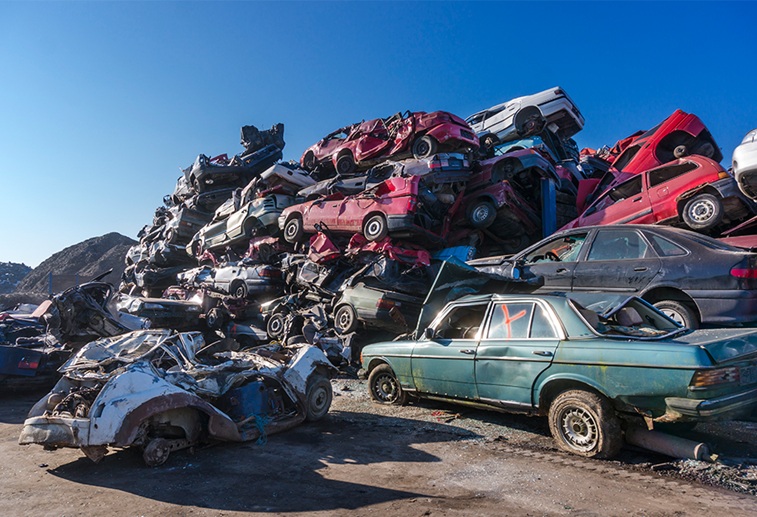
When the time comes to retire your ageing vehicle, understanding the process of disposing a scrap car Singapore offers can mean the difference between losing money and securing a fair return on what remains of your automotive investment. The island nation’s approach to vehicle disposal reflects a broader philosophy about urban planning, environmental stewardship, and the perpetual challenge of managing limited space in one of the world’s most densely populated territories.
The Peculiar Economics of Singapore’s Vehicle Lifecycle
Singapore’s relationship with motor vehicles has always been complicated. The Certificate of Entitlement system, a mechanism that would seem fantastical in most other nations, creates a unique economic environment where cars function less as depreciating assets and more as temporary licenses to occupy road space. When your vehicle reaches the end of its COE period, typically ten years, you face a decision that hinges on mathematics as much as sentiment.
The scrap car singapore market operates within this distinctive framework. Your vehicle’s scrap value isn’t merely about the weight of metal and the functionality of parts; it’s entangled with rebates, registration fees, and a regulatory architecture designed to keep Singapore’s roads from transforming into a gridlocked car park. The Preferential Additional Registration Fee (PARF) rebate, available for vehicles less than ten years old, can represent a substantial portion of your vehicle’s end-of-life value. According to the Land Transport Authority, “The PARF rebate is computed based on the original ARF paid, the age of the vehicle, and the applicable PARF rebate percentage.”
Understanding What Determines Your Vehicle’s Worth
Several factors converge to establish the value of a scrap car singapore dealers will offer:
• Vehicle age
Cars under ten years old qualify for PARF rebates, whilst older vehicles receive a flat COE rebate
• Original ARF paid
The Additional Registration Fee you paid at purchase directly influences your PARF entitlement
• Physical condition
Though less significant than regulatory rebates, the state of salvageable parts matters
• Market timing
Scrap metal prices fluctuate, affecting the base value beyond statutory rebates
• Administrative completeness
Proper documentation and clear ownership increase processing efficiency
The distinction between PARF and COE rebates represents a curious form of temporal discrimination in value. A nine-year-old vehicle commands considerably more in scrap value than one that has crossed the ten-year threshold, despite potentially minimal differences in actual condition or utility.
The Mechanics of the Scrapping Process
Disposing of a scrap car singapore regulations require involves a surprisingly bureaucratic choreography. The process begins with deregistration, a necessary administrative death certificate for your vehicle. You cannot simply abandon a car or sell it for parts without navigating the official channels. The system demands accountability for every registered vehicle, tracking its journey from showroom to scrapyard.
The Land Transport Authority mandates that vehicles must be scrapped at approved facilities. These authorized dealers handle the physical dismantling whilst simultaneously processing the paperwork that releases you from further liability. As the LTA notes, “Vehicle owners must ensure their vehicles are scrapped at LTA-approved scrap yards to qualify for rebates.”
What happens during the actual scrapping reveals something about modern resource recovery. Your vehicle undergoes systematic dismantling: fluids are drained and disposed of according to environmental protocols, reusable parts are catalogued and removed, and the remaining shell is crushed and processed for metal recovery. Singapore’s limited land area makes efficient recycling not merely environmentally conscious but economically essential.
Maximizing Returns in a Regulated Market
The scrap car singapore industry presents limited room for negotiation compared to typical secondhand markets, precisely because statutory rebates form the majority of value. However, opportunities for optimization exist. Timing your scrapping to coincide with higher scrap metal prices can marginally improve returns. Ensuring all documentation is accurate and complete prevents delays that might push you past beneficial deadlines.
Some vehicle owners contemplate extending their COE instead of scrapping, paying for another five or ten years of registration. This decision requires calculating whether the COE renewal cost, combined with the vehicle’s diminishing reliability and increasing maintenance expenses, justifies postponing the inevitable. For most older vehicles, the mathematics favour scrapping.
The Environmental Calculus
Singapore’s scrapping system embodies an attempt to balance competing interests: the desire for newer, more efficient vehicles against the resource intensity of constant replacement. The ten-year lifecycle encourages fleet modernization, theoretically reducing emissions as older, less efficient engines leave the roads. Yet this also means perfectly functional vehicles are scrapped not because they’ve failed mechanically but because they’ve exceeded an arbitrary temporal boundary.
The question of whether this promotes genuine sustainability or merely shifts environmental costs elsewhere, to manufacturing centres producing replacement vehicles, remains worth pondering. Each scrap car Singapore processes represents both waste recovered and resources consumed in its inevitable replacement. The system operates with mechanical efficiency, converting ageing vehicles into rebates and raw materials, yet the underlying tension between economic pragmatism and environmental consequence persists in every transaction involving a scrap car singapore.

Comments are closed.