
Archive

November 2025

Browsing

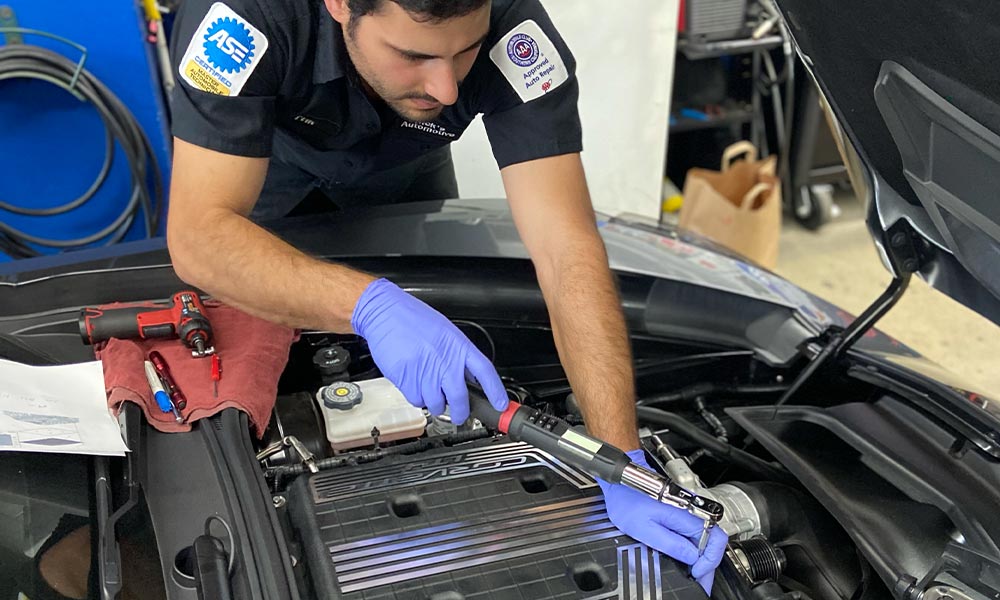
Brakes are individual of ultimate important part of a vehicle, guaranteeing security and control while driving. However, many drivers, without thinking, undertake practices that decrease brake lifespan, compromise braking, and bring about costly Brake Repair in Albany, OR.

Ignoring Warning Signs

Brakes are created to alert you when the entity is wrong, but many motorists reject the signs. Ignoring these proofs often leads to more severe damage, including rotor failure or complete brake malfunction.

Reality Check:

Don’t wait just before your brakes fail. At the first sign of a problem, have a professional examine your braking method. Early inspection with experts like B & B Auto Repair can avoid expensive repairs and guarantee your security along the way.

Overloading the Vehicle

Carrying an overdone burden or frequently towing difficult loads can set a significant strain on the brakes. Extra burden increases the staying distance and forces the braking plan to work harder, generating more heat and inciting wear on brake pads and rotors.

Reality Check:

Be mindful of your motor’s maximum load capacity. Remove avoidable burden from your car and follow the manufacturer’s guidelines for towing. Proper load management helps your brakes last more protracted and ensures guarded stopping distances.

Brake Fluid Non-Maintenance

Over time, brake fluid can consume liquid, which reduces the boiling point and can lead to brake failure under heavy use. Many motorists overlook fluid changes, self-confident brakes don’t require organized care, and further pads and rotors.

Reality Check:

Check your brake fluid regularly and understand the manufacturer’s recommended substitute schedule. Flushing and replacing brake fluid every 2–3 years—or sooner if wanted—guarantees optimum braking act and prevents decomposition in the brake lines.

Driving in Harsh Conditions Without Care

Frequent driving in extreme weather, like wet weather, snowy conditions, or on rough terrain, can stimulate brake wear. Water, seasoning, and waste can corrode brake parts, while recurring descending driving strains the system. Drivers the one do not regulate their practices for these environments frequently knowledge faster brake degeneration.

Reality Check: Reduce brake habit when downward steep hills by utilizing lower gears. Clean brakes rhythmically, particularly subsequently sinking into wet or salty conditions, and have your plan examined often in questioning climates.

Poor Quality Brake Parts

Some operators attempt to preserve services by utilizing inferior or incompatible brake pads and rotors. Cheap parts may wear faster, produce more noise, and even damage different elements of the braking order. Installing inferior components can cause repeated repairs and higher long-term costs.

Reality Check:

Buy superior-quality brake pads from shops like B & B Auto Repair to prevent further damage and problems.

Conclusion

Your car’s brakes are not just another component—they are a lively safety feature. Understanding these widespread mistakes can help you maintain your brakes, block dangerous positions, and save duties over time.
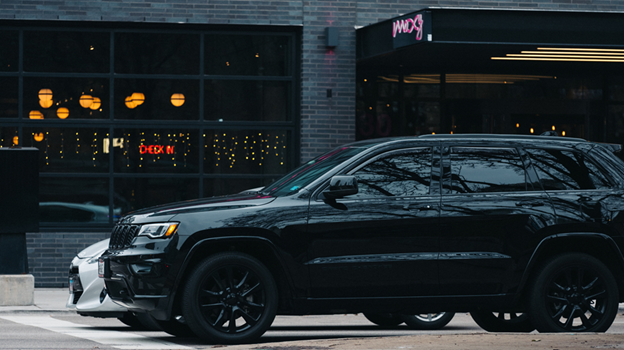

Family road trips should feel exciting—not uncertain. Before the snacks, playlists, and backseat games, give your Jeep or SUV a quick, systematic once-over. This 15-minute checklist focuses on safety, comfort, and the small details that prevent big headaches on the highway.

1) Tires & Pressure (3 minutes)

Start where the rubber meets the road.

  • PSI: Check all four tires—and the spare—against the door-jamb spec. Underinflation builds heat and kills MPG; overinflation amplifies bumps and reduces traction.
  • Tread: Use the coin test or look for wear bars. Uneven wear (inner/outer edges, cupping) hints at alignment issues.
  • Debris: Brush out stones from the shoulder sipes; they’re noisy and can cause slow leaks.
  • Lug torque: If wheels were recently off, confirm proper torque to avoid vibration and rotor warping.

2) Brakes & Pedal Feel (1 minute)

With the engine on, press the pedal. It should feel firm, not spongy.

  • Listen: Lightly roll and brake; squeal may indicate pad glazing, while grinding suggests low pad material.
  • Parking brake: Engage/disengage to verify confident hold on a mild incline.

3) Fluids at a Glance (4 minutes)

Pop the hood and work left to right to avoid missing anything.

  • Engine oil: Check level and color via dipstick; top up only with the correct spec.
  • Coolant: Inspect the reservoir level when the engine is cool; look for crusting around hoses or the cap.
  • Brake fluid: Level between MIN and MAX; dark fluid might warrant a flush soon.
  • Windshield washer fluid: Top off—clear glass reduces fatigue and keeps eyes on the road.
  • Transmission (if serviceable): Many modern Jeep Cherokees are “sealed,” but if yours has a dipstick, check hot and level per the manual. Any delayed engagement or shudder calls for professional inspection.

4) Belts, Hoses & Leaks (1 minute)

  • Belts: Quick visual for fraying or cracking.
  • Hoses: Squeeze gently; they should feel firm, not mushy.
  • Underbody scan: Peek beneath for fresh drips or dampness along the oil pan, transmission, or cooler lines.

5) Battery & Charging (2 minutes)

Electrical gremlins love long drives.

  • Terminals: Ensure clean, tight connections. Corrosion (white/green buildup) can cause no-start surprises at gas stops.
  • Crank test: If starts feel sluggish or lights dim noticeably at idle with A/C on, consider testing at a parts store before you leave.

6) Lights, Wipers & Glass (1 minute)

  • Exterior lights: Headlights (low/high), turn signals, brake lights, and hazards. Ask a helper or use reflections.
  • Wipers: No streaks or chatter; replace blades if they smear.
  • Glass: Clean inside and out—night glare and bug splatter compound driver fatigue.

7) Cabin Comfort & Safety (2 minutes)

Happy passengers = calmer driver.

  • HVAC: Verify strong A/C and heat across vents; fog-prone climates benefit from a quick defrost test.
  • Seats & restraints: Confirm car-seat anchors (LATCH) are tight, headrests positioned, and belts untwisted.
  • Noise check: A new hum, thump, or vibration at 45–65 mph is a cue to investigate before the interstate.

8) Cargo, Roof & Hitch (1 minute)

  • Load plan: Heavy items low and forward for stability; keep essentials accessible (snacks, wipes, emergency kit).
  • Roof gear: Crossbars tight; straps secure with no loose tails.
  • Hitch: Verify pin/clip, safety chains crossed, and wiring for trailer lights if towing.

Fast Fixes & Smart Spares to Stash

  • Tire plug kit + portable 12V compressor: Air down on rough access roads, then air up for highway comfort—and plug small punctures without waiting for roadside assistance.
  • Fuses & bulbs: A tiny kit saves late-night stops.
  • Work gloves, shop towels, flashlight: Small comforts that make roadside checks efficient.
  • Coolant and washer fluid: Top-offs on the go.
  • Paper map or offline navigation: Cell service can vanish in the fun places.

Road Test: The Two-Minute Loop

Before loading the family, take a quick spin around the block.

  • Steering straight? No pull or dead-zone wander.
  • Braking smooth? No pulsation or side pull.
  • Transmission behavior: Shifts should be crisp and consistent—no flare (RPM rises without speed) or shudder at light throttle.
  • Listen: Windows cracked slightly help catch wheel-bearing growls or rhythmic thumps from tires.

When a Quick Check Says “See a Pro”

Some issues are better caught early:

  • Persistent vibration at highway speeds even after proper tire pressure and torque.
  • Brake warning lights (ABS, stability control) or a soft pedal.
  • Transmission symptoms like delayed engagement, slipping, or new leaks.
  • Cooling concerns: Gauge climbing on grades, sweet smell (coolant), or visible steam.

If your checklist flags something you can’t resolve in the driveway, prioritize Jeep Cherokee repair before the trip. Solving a small leak or alignment issue now beats managing a breakdown with kids and luggage in mid-July traffic.

Final Pack-and-Go Tips

  • Fuel strategy: Fill up the night before; fewer morning stops keep momentum (and moods) high.
  • Snack and trash plan: Sealable containers and a small bin maintain cabin sanity.
  • Stretch schedule: Plan a 10-minute stop every 2–3 hours; it helps alertness and reduces “Are we there yet?” frequency.
  • Share the checklist: Keep this routine on your phone. Repeating it before every trip builds confidence and catches problems when they’re still cheap.

Fifteen focused minutes can transform road-trip stress into highway certainty. With a quick tire/fluids/electrics sweep and a short road test, your SUV is set to carry the most precious cargo you own—safely, comfortably, and drama-free.

Clean air inside a car is vital for comfort. Every drive feels fresh with clear airflow. Dust and smoke enter through small gaps daily. The air carries pollen and fine dirt as well. The cabin slowly fills with unwanted particles. The smell turns dull and heavy with time. Breathing inside becomes less pleasant and safe. Fresh air keeps focus and calm during travel. Regular upkeep of air systems helps every ride. Good care prevents sickness and irritation inside. Clean filters and vents keep air fresh always. Healthy air brings comfort and long peace.

The Role of Cabin Air Filters

Cabin filters trap dirt before it spreads inside. They block pollen dust and smoke particles. The filter grows dark and weak with long use. It loses power to stop new dirt soon. Weak filters let bad air fill the cabin again. The smell turns harsh and musty each time. Breathing feels heavy during long drives daily. Fresh filters restore clean flow and calm air. Changing them on time helps the whole system. The vents breathe better after each replacement done. A clean filter ensured by the Auto Repair in Westmont, IL based services like the Midwest Performance Cars keeps air soft and light always. Regular care protects comfort and health inside.

The Need for Vent Cleaning

Vents collect dust over time with use. Tiny dirt blocks air flow slowly inside. The smell of moisture spreads fast after rain. Cleaning vents helps remove hidden mold and dirt. Soft brushes and mild sprays work very well. Air feels pure and fresh again soon after. Moist air no longer sticks to the walls inside. Cooling and heating both work better again. Clean vents stop germs from spreading in air. Healthy airflow brings steady comfort in every trip. Regular cleaning keeps both mind and air calm. Clean vents protect the lungs and comfort daily.

Checking Moisture and Odor Sources

Moist air creates strong and lasting smells inside. Leaks near windows bring dampness in slowly. Wet mats hold bacteria and mold each day. Bad odor spreads through every seat and vent. Drying the cabin stops the smell from staying. Open air flow clears moisture fast from corners. Sunlight helps dry seats and mats in hours. Fresh air fills every part after full drying. Cleaning floor and sides removes sticky marks fully. The cabin feels lighter and cleaner at once. Dry space keeps air pure and soothing daily. Removing odor sources by Midwest Performance Cars restores balance and comfort inside.